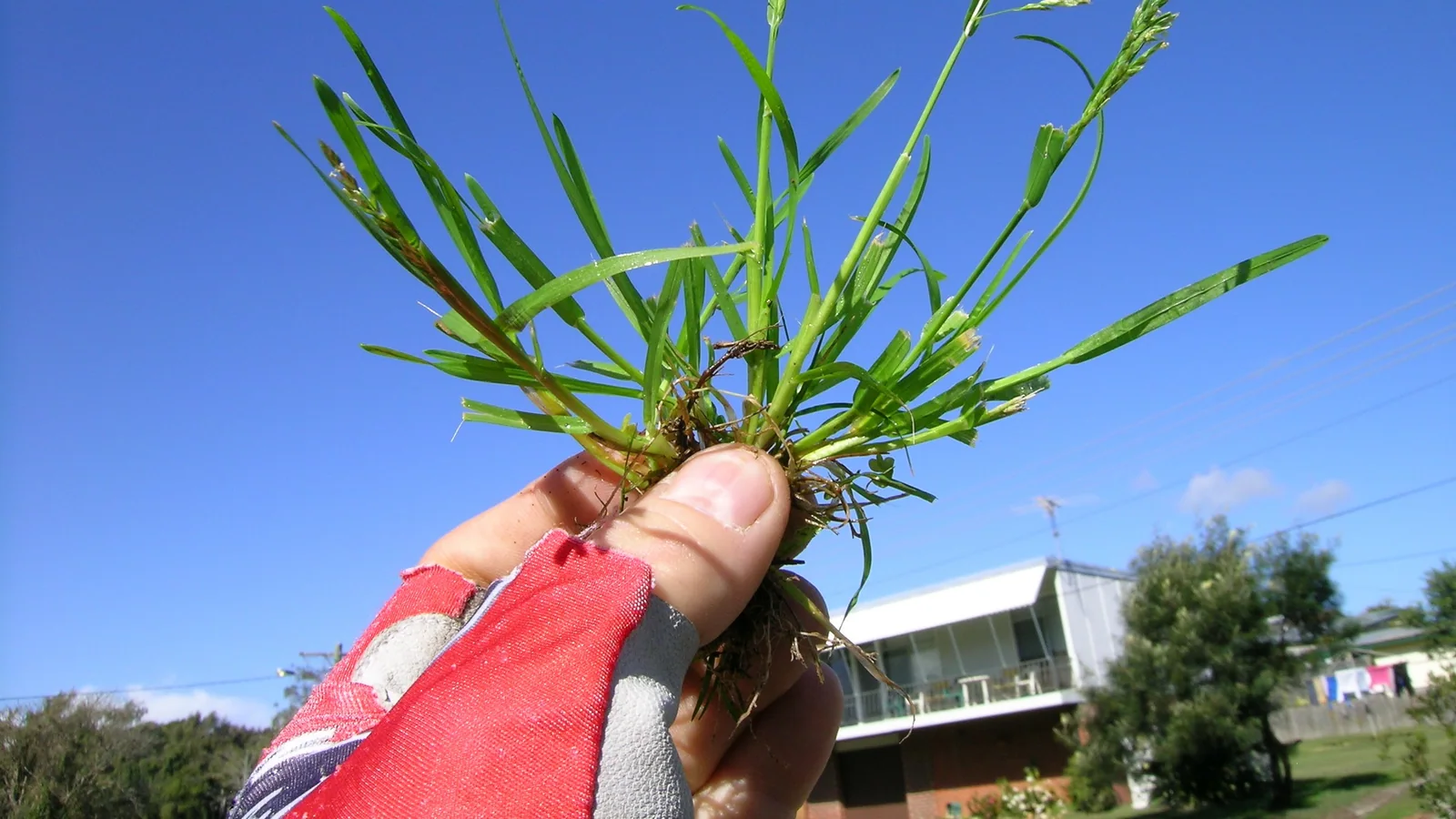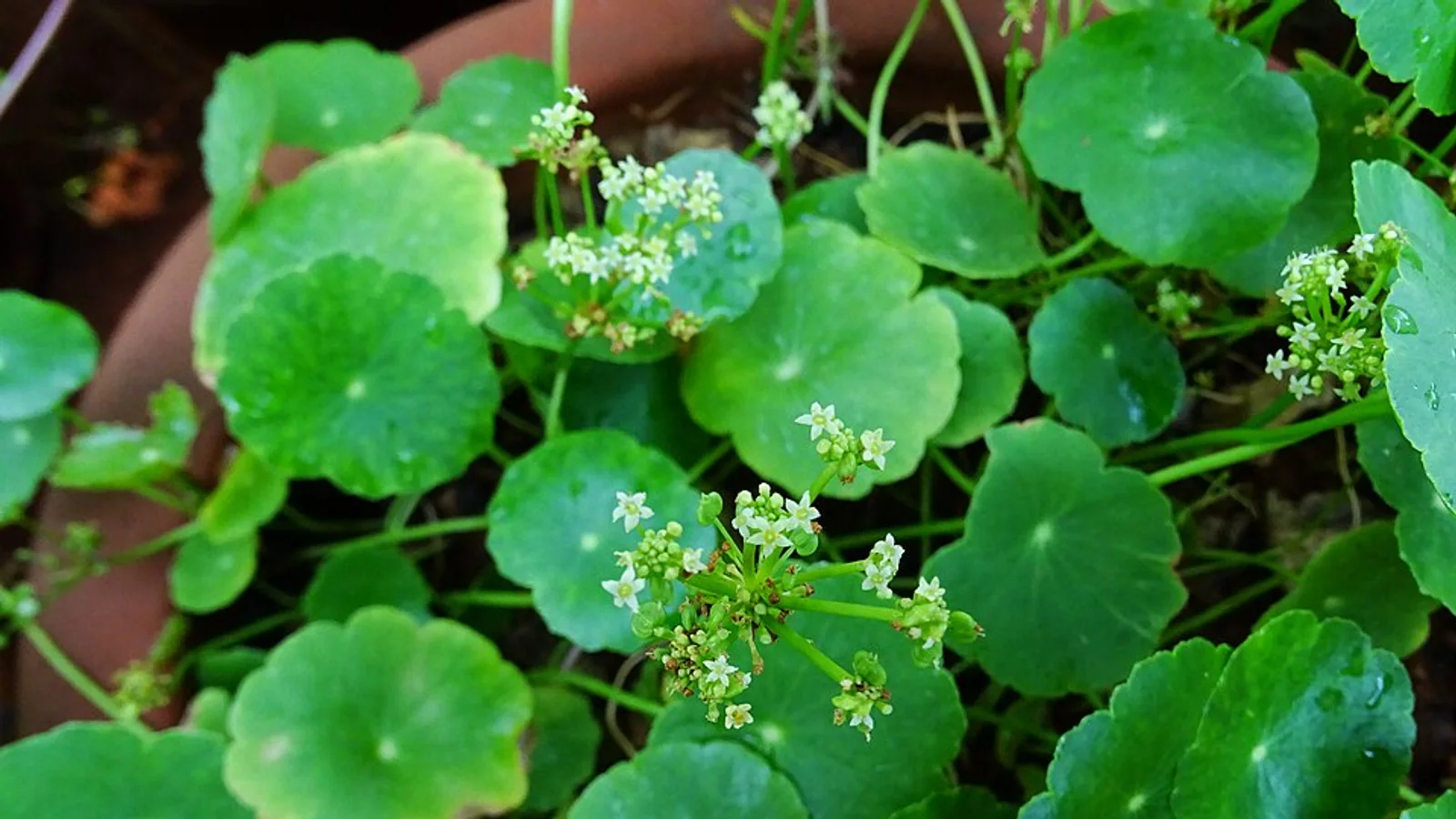
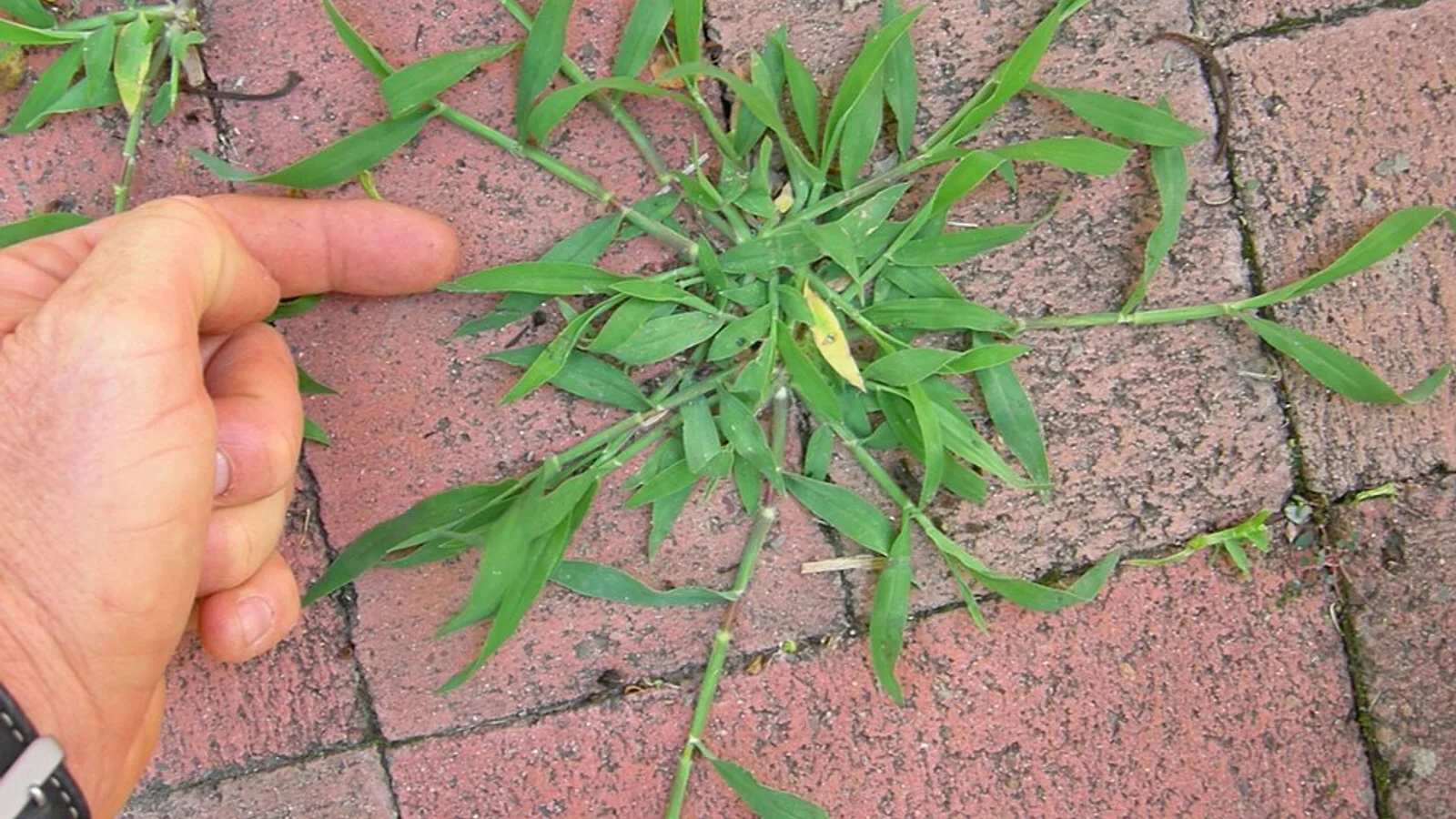
Identify the problem before choosing an approach
Plants that look similar from a distance may respond differently to maintenance. The surrounding turf or bed plants also matter because an approach that fits one area may be unsuitable in another. Good weed control starts with enough information to avoid treating every unwanted plant as interchangeable.
Photos can help begin the conversation, but the affected area, growth pattern, drainage, shade, mowing conditions, and nearby desirable plants provide useful context. We use that property information to decide whether the request fits the service and what approach can be discussed.
Look at the conditions that favor repeat growth
Persistent weeds can be a sign that the desired lawn or bed plants are competing under difficult conditions. Thin turf, disturbed soil, excess moisture, bare bed areas, and repeated scalping can leave space for unwanted growth even after the visible plants are addressed.
That does not mean every underlying lawn or drainage problem is part of weed control. It means the service should account for what can be observed and avoid making a guarantee when the surrounding conditions continue to favor new growth.
Choose a property-specific, compliant method
This service does not assume that every request uses the same manual, mechanical, or product-based method. The weed, location, desirable plants, weather, property access, and any rules that apply to a particular method all have to be considered before work is confirmed.
If a product is part of an agreed approach, its label and any applicable credential or use requirement take priority over general website copy. We will discuss what can be offered for the specific lawn or bed rather than promise a universal treatment from the page alone.