
Weeds, Pests & Disease
Dollarweed in Your Lawn? Fix the Conditions First
Dollarweed often flourishes in damp areas, but spraying the leaf does not repair a leak, low spot, compacted soil, or excessive irrigation schedule.
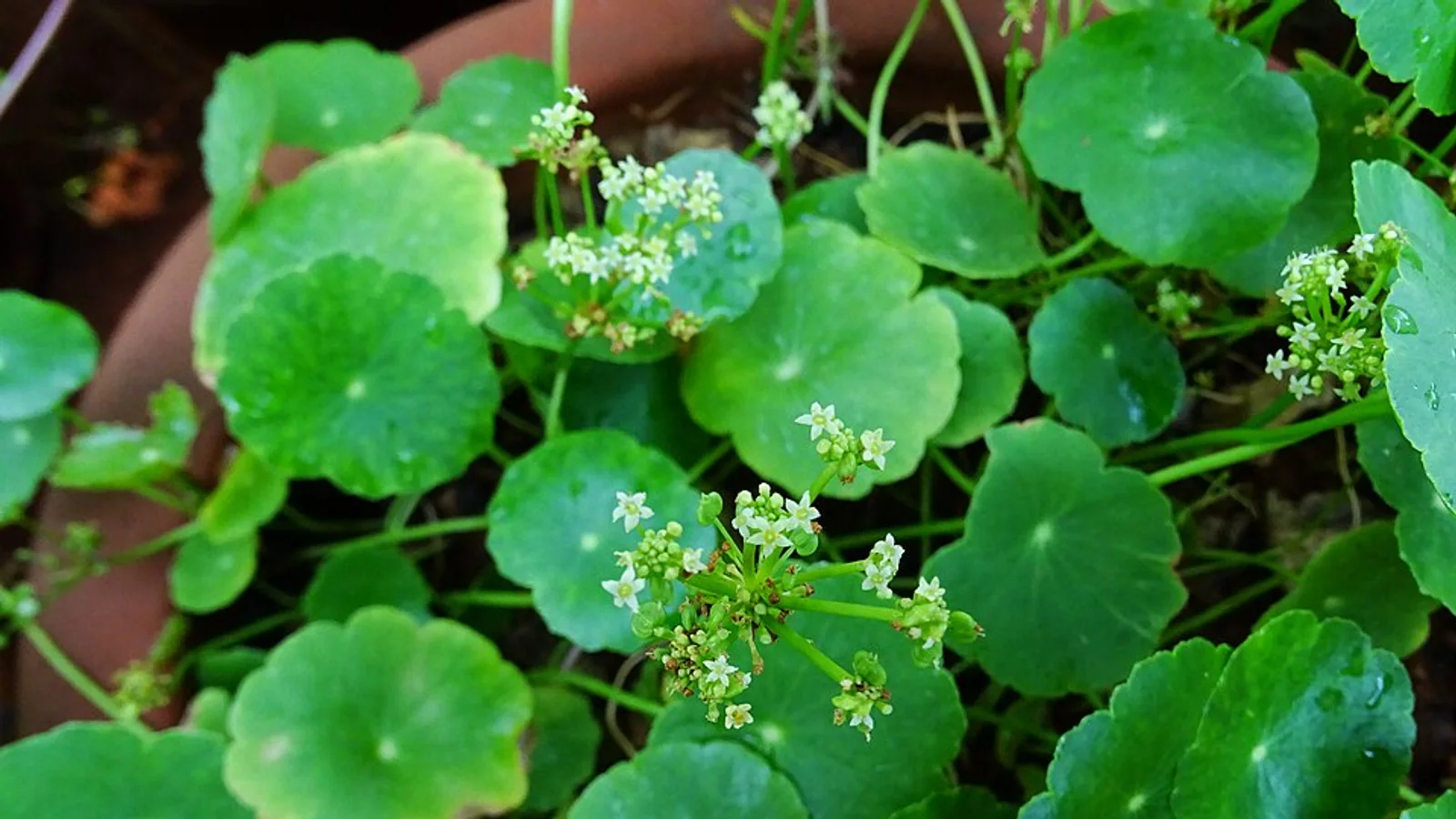
Confirm dollarweed by checking for a round, scalloped leaf with its stalk attached near the center underneath; dichondra's stalk joins at the leaf edge. Then test the moisture theory. Review rain, run each suspected sprinkler zone for 15 minutes with catch cans, and trace leaks, downspouts, low grade, and compaction. Established turf should receive a measured 1/2 to 3/4 inch only after drought signals appear. Correct the wet condition first, then rescout before considering any label-compliant control.
Dollarweed's round leaves are obvious, so it is tempting to make the leaf the whole problem. The patch is often more useful as a map of water movement. It may cluster around a low sprinkler head, below a downspout, across compacted shade, or wherever a controller keeps running through Panhandle rain. Removing the plant without tracing that pattern leaves its best growing condition untouched.
The weed is not a moisture meter, however. Rainfall alone can saturate a low area, and similar-looking plants can lead to a mistaken identification. Turf species also matters because herbicide tolerance differs among centipedegrass, St. Augustinegrass, bahiagrass, bermudagrass, and zoysiagrass. A reliable plan verifies the plant, finds the source of persistent moisture, improves lawn conditions, and treats only when a labeled, site-appropriate option is genuinely needed.
Confirm that the plant is dollarweed
Dollarweed produces round, coinlike leaves on upright stalks and spreads through creeping structures. One useful feature is that the leaf stalk attaches near the center of the leaf underside, creating an umbrella-like form. Dichondra also has rounded leaves but is generally kidney-shaped, with the stalk joining at the leaf margin. Use multiple features rather than one photo angle, especially after mowing has removed taller parts.
Photograph the plant, its growth pattern, stem attachment, flowers if present, and roots or creeping structures. Note whether it occurs in a single wet patch or throughout the property. UF/IFAS Extension can assist when the identification remains uncertain. Do not choose an herbicide based on the general appearance of a round leaf; a label naming dollarweed does not automatically cover another broadleaf plant.
- Look at where the leaf stalk joins the leaf.
- Compare whole-plant growth rather than one detached leaf.
- Photograph flowers, stems, and creeping structures when available.
- Map whether the patch corresponds with shade, runoff, or irrigation.
- Confirm the surrounding turfgrass species too.
Investigate why the area stays moist
Review recent rain and controller history before changing irrigation. Set straight-sided cans across the suspected zone, run it for 15 minutes, and compare the depths. A clogged or misaligned head can leave one area dry while another receives too much. Extending the whole zone for that dry patch expands the damp area dollarweed already favors. Also confirm that the rain shutoff works and that a shaded side yard is not programmed like full sun.
Trace water from outside the sprinkler system as well. Roof downspouts, pavement, air-conditioning drains, a leaking faucet, low grade, compacted fill, and a seeping valve can all concentrate moisture. If the patch remains wet for several rain-free days with irrigation off, the cause is not simply a frequent schedule. Persistent unexplained water, suspected plumbing or septic trouble, or drainage affecting structures and neighbors needs qualified evaluation.
Dollarweed can support a moisture hypothesis, but it does not identify the source. Verify the water path before changing the entire yard's schedule.
Correct water without drought-stressing the turf
Established turf should be watered when it shows drought signals such as folding blades, a blue-gray cast, or lingering footprints. Apply a measured root-zone irrigation, then wait for the signals to return. Suspend cycles after adequate rain and reduce watering in shaded areas as their demand requires. Repair leaks and distribution problems instead of merely shortening every zone by the same amount.
Do not swing from chronic saturation to a blanket watering shutdown during hot, dry weather. Turf weakened by shallow roots may wilt quickly when the schedule changes, so observe it closely and transition to need-based irrigation. If water runs off before the measured depth is delivered, investigate slope, application rate, compaction, and grade. Keep runoff and yard material away from streets, storm drains, ponds, and neighboring property.
Help the desirable grass occupy the space
Once moisture is under control, improve the conditions that support the lawn. Identify the grass and mow at its recommended height, removing no more than one-third of the blade. Scalping creates light and open soil for weeds, while mowing too infrequently adds another stress. Address traffic and verified compaction, and diagnose insects or disease that may have thinned the turf before dollarweed expanded.
Evaluate whether turf is a realistic fit. Deep shade and a chronically low drainage area may never support dense grass without excessive inputs. A suitable groundcover, rain-garden design, or mulched bed may perform better, but drainage routes and plant choices need site-specific planning. Do not add fertilizer simply to force density; color and thinness have several causes, and current labels and address-specific rules govern any application.
- Mow at the height for the identified turf species.
- Repair the original cause of thin or damaged grass.
- Reduce traffic while wet soil and roots recover.
- Use non-turf landscaping where shade or moisture makes grass unsuitable.
- Avoid unsupported fertilizer or lime applications.
If control remains necessary, follow the label
Small patches may be removed by hand when the creeping structures can be collected without spreading them, although regrowth is possible. For a pesticide decision, confirm dollarweed and the turf species, then read the current label completely. It must allow use on that lawn and site and must address the target. Temperature, turf stress, nearby ornamental roots, rain, irrigation, buffers, protective equipment, and reentry directions may all affect safe use.
The label is legally enforceable, and local requirements or applicator credentials may also apply. Do not increase a rate, combine products, or repeat an application to compensate for unresolved moisture. If the patch is extensive, identification is uncertain, or the lawn is already stressed, contact UF/IFAS Extension or an appropriately qualified professional. The long-term result still depends on correcting the conditions that let dollarweed outcompete the grass.
Chemical control is not prescribed here. Read the current label, verify turf and target, check local requirements, and use a properly credentialed applicator where required.
Common questions
Frequently asked questions
Does dollarweed always mean I am overwatering?
No. Dollarweed often favors moist conditions, but the water may come from natural rain, a low area, compacted soil, a downspout, a leak, or runoff rather than the controller. Confirm soil moisture, recent weather, sprinkler output, and the shape of the patch. The weed is a clue that supports investigation, not proof of one cause.
Can I get rid of dollarweed by letting the lawn dry completely?
Correcting excessive moisture can make the site less favorable, but deliberately drought-stressing the desired turf can thin it further and open more space for weeds. Shift established grass to measured, need-based irrigation, repair leaks and drainage, and support proper mowing. A severe or persistent infestation may still need an identified, label-compliant control strategy.
What looks like dollarweed in a Florida lawn?
Dichondra is a common look-alike with rounded or kidney-shaped leaves. Leaf-stalk attachment and whole-plant growth help distinguish them, but photos can be misleading. Collect clear details and use UF/IFAS identification resources or Extension when uncertain. Never assume one broadleaf control is suitable based only on a coin-shaped leaf.
Sources and local guidance
This educational guide was prepared using the primary resources below. Product labels and current local rules always take priority.
- Weed Management Guide for Florida Lawns (University of Florida IFAS Extension)
- Watering Your Florida Lawn (University of Florida IFAS Extension)
- Improving Turfgrass Health: Proper Irrigation Techniques (University of Florida IFAS Extension)
- Introduction to Pesticide Labels (United States Environmental Protection Agency)
- Weeds as Indicators of Soil Conditions in Lawns and Landscapes (University of Florida IFAS Extension)
Keep reading
Related lawn care guides
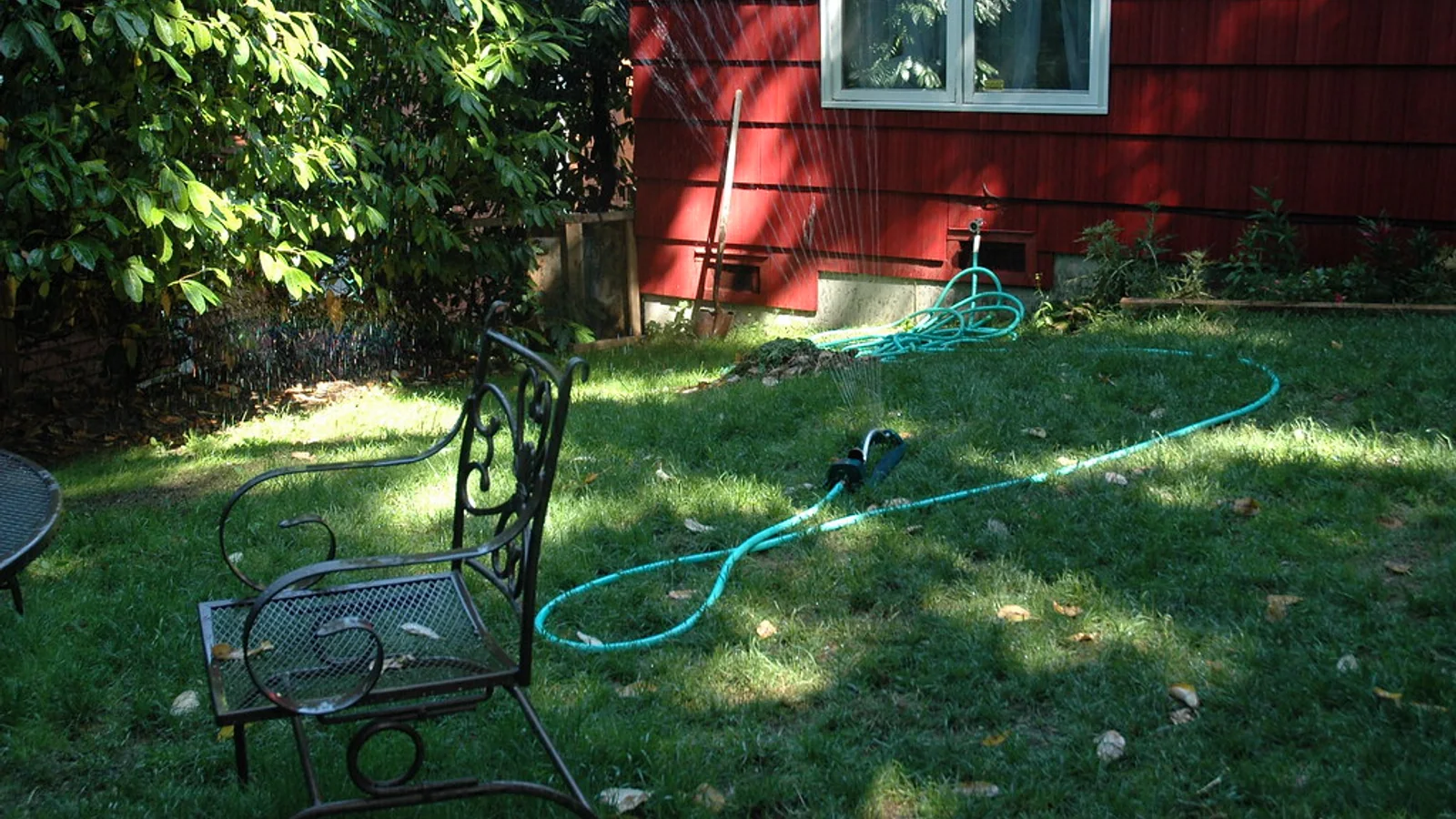
7 Signs You May Be Overwatering Your Florida Lawn
Soggy soil is only one clue. Learn how to investigate persistent moisture, weeds, runoff, weak roots, and recurring lawn trouble before changing irrigation.
Read the guide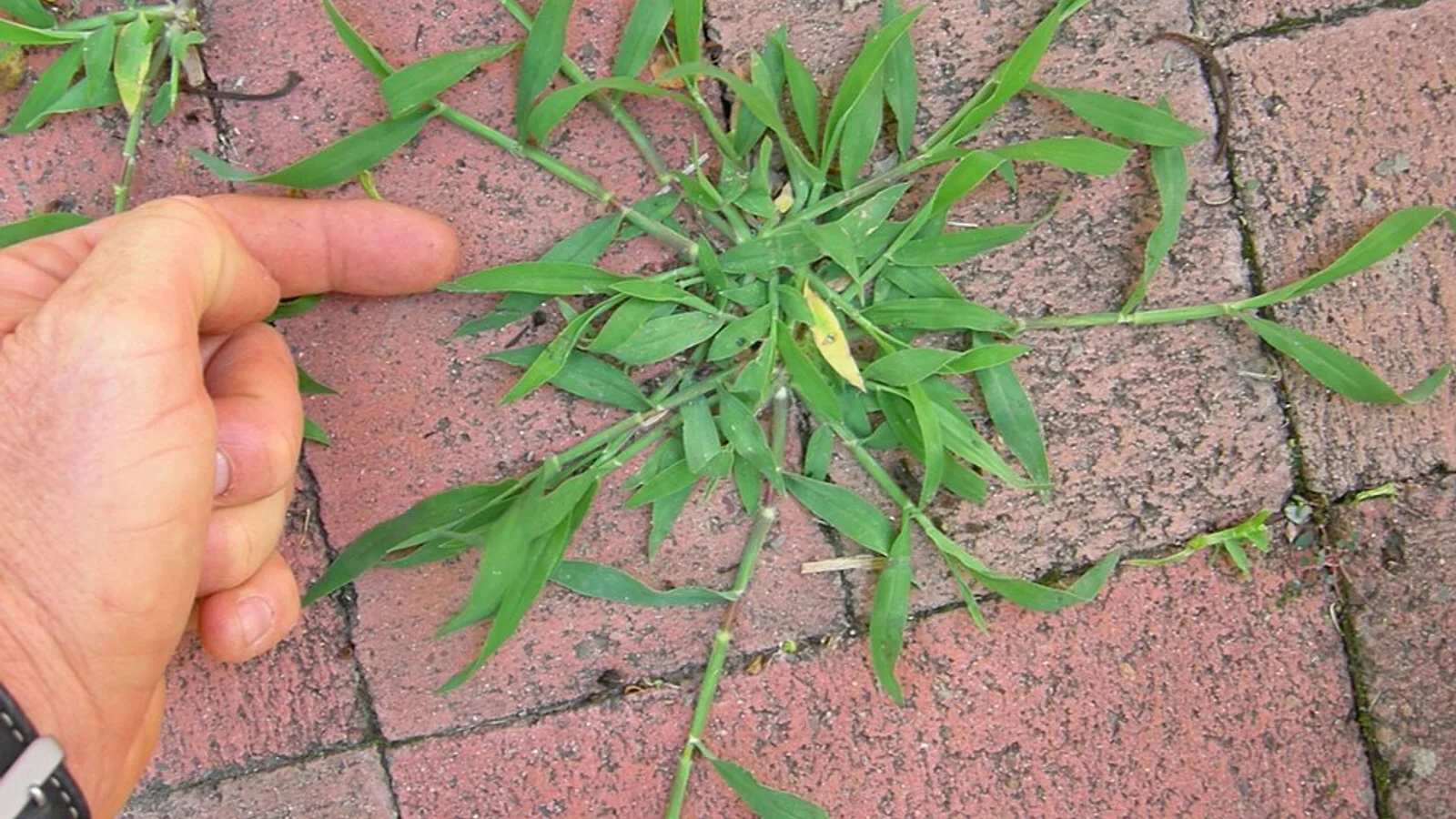
Common Florida Panhandle Lawn Weeds and What They Reveal
Weeds can reveal thin turf, excess moisture, scalping, or compacted ground. Identify the plant and correct the lawn conditions before choosing control.
Read the guide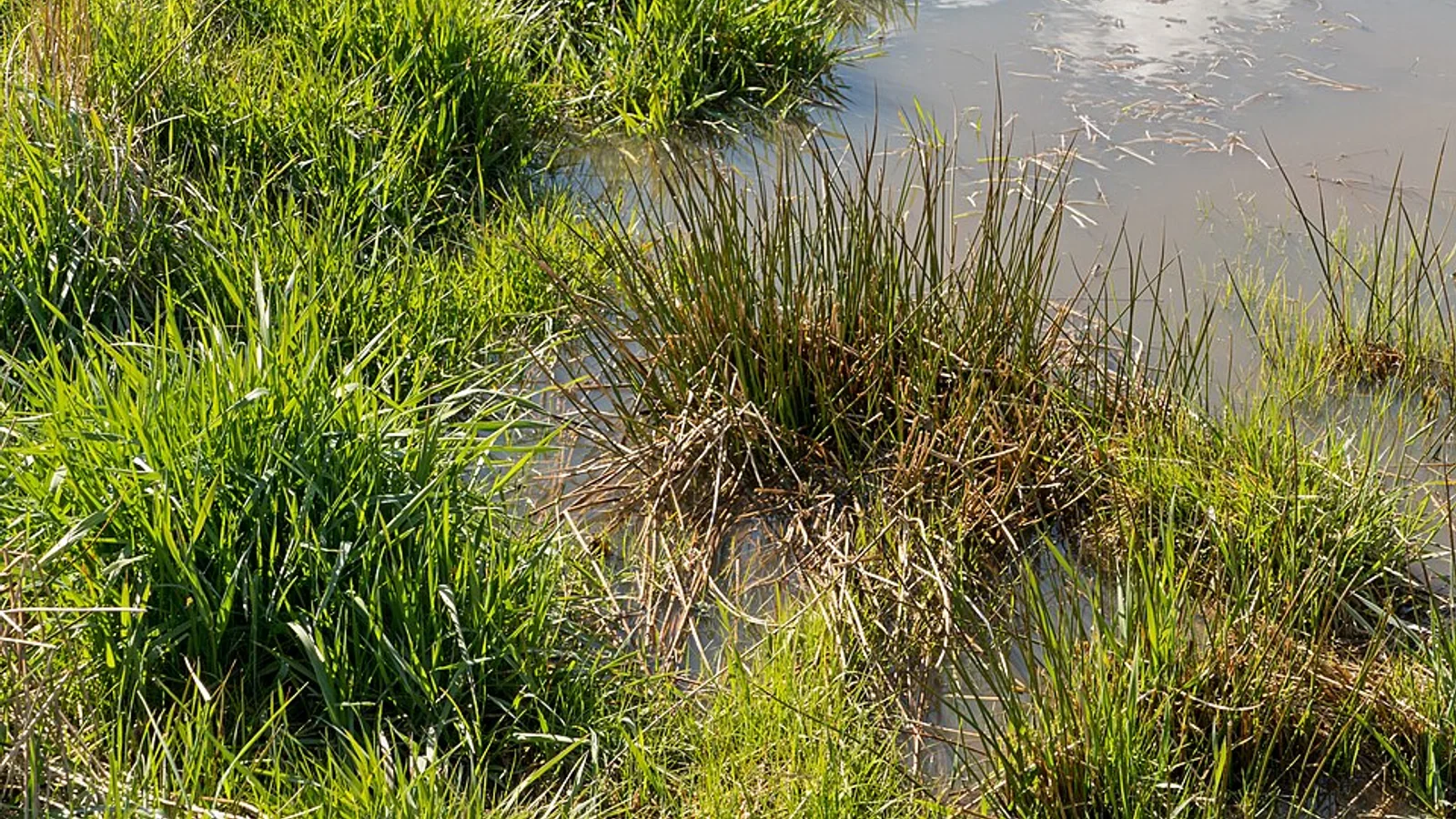
Why Your Yard Has Wet Spots and What to Check First
A wet patch can come from a leaking valve, roof runoff, uneven sprinklers, low grade, or compacted fill. Use the pattern to narrow the cause safely.
Read the guideLocal lawn care
Need help with your Okaloosa or Walton County lawn?
Ask about lawn mowing, yard cleanup, tree and shrub trimming, bed maintenance, weed control, mulching, or debris removal. Service and address availability must be confirmed.