
Weeds, Pests & Disease
A Seasonal Weed-Prevention Calendar for Northwest Florida
A season-by-season framework for scouting, repairing thin turf, timing prevention thoughtfully, and checking every current product label and local rule.
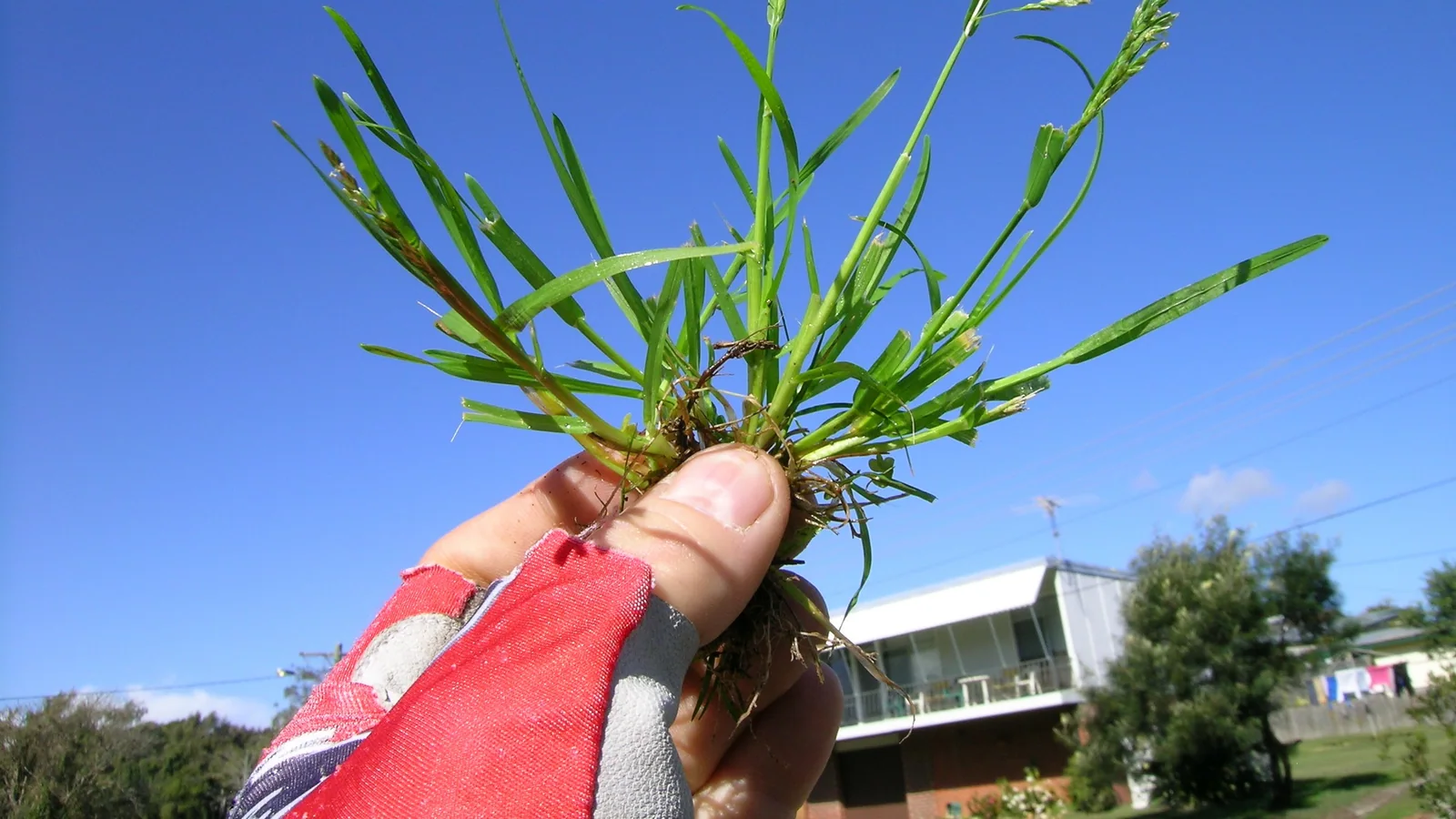
Use weather cues, weed life cycle, and the current label, not a holiday alone. For summer annuals in North Florida, UF/IFAS gives March 1 or before daytime temperatures reach 65 to 70 degrees for four or five consecutive days as a preemergence rule of thumb; goosegrass generally germinates three to four weeks later. For winter annuals such as annual bluegrass, the cue is several nights at 55 to 60 degrees. These are scouting and planning triggers, not permission to apply a product that is wrong for the weed, turf, site, or local rules.
Weed prevention starts before a lawn is covered, but it does not start on an inflexible holiday. A sunny strip beside pavement warms before shaded turf, and a late Panhandle cold snap can move spring development. The plant's life cycle matters just as much. A summer annual emerging from seed requires a different plan from a perennial sedge returning from underground structures.
The safest calendar is therefore a sequence of observations and maintenance decisions. It combines scouting, correction of thin-turf causes, sanitation, and only then a label-based control decision when one is justified. The framework below deliberately avoids product rates and universal application dates. Those belong to the current label and actual conditions, and local governments, utilities, water-management orders, and homeowners associations may add address-specific requirements.
Winter: identify what is already present
Warm-season turf often slows or goes dormant during a Panhandle winter, making cool-season weeds more visible. Walk the lawn before mowing and photograph leaves, stems, flowers, roots, and growth habit. Determine whether the plant is a winter annual, perennial, grassy weed, broadleaf, or sedge. Existing weeds will not be controlled by a preemergence product intended to stop susceptible seeds from establishing.
Use the quieter season to correct nonchemical contributors that can be addressed safely: remove modest leaf cover from turf, keep drains clear, service the mower, map wet and shaded locations, and repair obvious irrigation leaks. Accept normal dormancy rather than forcing lush growth to compete with weeds. A brown warm-season lawn is not automatically dead, and fertilizer or herbicide should not be used simply to create a green appearance.
- Identify existing plants before they lose useful flowers or seedheads.
- Record wet, compacted, shaded, and bare areas for spring correction.
- Maintain leaf and debris coverage without scalping dormant turf.
- Review prior weed patterns instead of relying on a generic calendar date.
Late winter into spring: watch conditions, not holidays
For North Florida summer annuals, UF/IFAS lists March 1, or the point before daytime temperatures reach 65 to 70 degrees for four or five straight days, as a general preemergence cue. Goosegrass tends to germinate later, so its suggested window is three to four weeks after the usual summer-annual timing. Treat those numbers as prompts to scout and read the current label. A sunny pavement edge may warm earlier than a shaded inland yard, and planned sod, plugs, or seed can make a preemergence treatment unsuitable.
Do not assume a combined weed-and-feed bag solves both spring jobs. UF/IFAS notes that north Florida timing for preemergence control of summer annual weeds may occur before warm-season turf is ready for its first nitrogen application. Applying fertilizer during partial green-up can be wasteful and may encourage the wrong response. Treat weed prevention and turf nutrition as separate decisions, each supported by an actual need and current directions.
Calendar reminder: preemergence timing and fertilizer timing can differ in North Florida. Do not force both into one application for convenience.
Active growing season: close the openings weeds use
Once turf is fully active, maintenance is the main prevention program. Mow at the height for the species and follow the one-third rule. Scalped edges, wheel ruts, and bare traffic paths expose soil and reduce competition. Water when established turf shows drought stress rather than maintaining a damp surface. Correct leaks and low spots that favor moisture-loving weeds, and diagnose pest or disease injury before it becomes a weed-filled opening.
Scout while weeds are small enough to identify and manage selectively. Mark isolated patches rather than treating the entire lawn by default, and prevent seedheads from spreading when practical. Clean soil and vegetative fragments from tools before moving to an uninfested area. If new sod, plugs, or seed are planned, check how any preemergence product could affect establishment and honor the interval on its current label.
- Maintain the correct mowing height and a sharp blade.
- Repair irrigation distribution instead of watering dry and wet areas equally.
- Reduce traffic on saturated or stressed turf.
- Inspect damaged areas for their original cause before weeds fill them.
- Keep weed seeds and plant fragments from moving on equipment.
Late summer into fall: plan for winter annuals
As days shorten, review where winter weeds appeared the year before. For annual bluegrass and similar winter annuals, UF/IFAS uses nighttime temperatures of 55 to 60 degrees for several consecutive days as the North Florida planning cue. Most preemergence products provide about 6 to 12 weeks of control, and a follow-up may fall 6 to 9 weeks later only when the current label directs it. Existing plants will not be erased by a product meant to stop germination.
Avoid late actions that create tender turf growth or unnecessary irrigation heading into cooler weather. Healthy density helps, but warm-season grass naturally becomes less competitive as it slows. Continue leaf management and correct drainage, since damp, open areas can support weeds and cool-season disease pressure. Record what worked and where weeds persisted so the next year's plan improves instead of repeating a property-wide routine.
Use a decision checklist before any application
First confirm the turfgrass and target weed, then decide whether the goal is prevention of seeds or control of plants already growing. Read the entire current label for allowed turf species, target, site, timing, temperature, rain or irrigation directions, buffers, personal protective equipment, reentry, and reseeding or sodding limitations. Protect ornamental roots and water. A product used outside its label is not a reasonable trial.
Finally, verify rules that apply to the exact address and activity. County boundaries do not guarantee one rule: municipalities, utilities, District orders, state requirements, and HOAs can differ or change. Combined fertilizer-herbicide products also bring fertilizer-label and local-fertilizer questions into the decision. Use an appropriately credentialed applicator where required, and ask UF/IFAS Extension or a qualified professional when identification or timing remains uncertain.
Local and label check: confirm the jurisdiction, utility, Northwest Florida Water Management District status, HOA provisions, current product label, and required applicator credentials before use.
Common questions
Frequently asked questions
What month should preemergence be applied in Northwest Florida?
For North Florida summer annuals, UF/IFAS lists March 1 or before daytime temperatures hold at 65 to 70 degrees for four or five days as a general rule of thumb. Goosegrass usually calls for a window three to four weeks later. That is not a universal application order. Target weed, turf species, current label, weather, required activation, and planned seeding or sodding still decide whether and when a product fits.
Will preemergence kill weeds already growing in the lawn?
Generally, a preemergence product is intended to prevent labeled susceptible weeds from establishing and is not a substitute for identifying plants already present. Product capabilities differ, so the label controls. Existing weeds may require cultural correction, hand removal, or a separately labeled approach after the weed and turf are positively identified.
Can I use weed-and-feed during early spring green-up?
Do not assume the two timings align. UF/IFAS notes a north Florida mismatch between summer-annual preemergence timing and the first appropriate fertilizer timing. Warm-season turf should be actively growing before nitrogen is considered. Verify actual weed and nutrient needs, the current product label, turf species, weather, and local requirements rather than using partial green-up as a cue.
Sources and local guidance
This educational guide was prepared using the primary resources below. Product labels and current local rules always take priority.
- Weed Management Guide for Florida Lawns (University of Florida IFAS Extension)
- Centipedegrass for Florida Lawns (University of Florida IFAS Extension)
- Introduction to Pesticide Labels (United States Environmental Protection Agency)
- Florida Administrative Code Rule 5E-1.003 (Florida Department of State)
Keep reading
Related lawn care guides
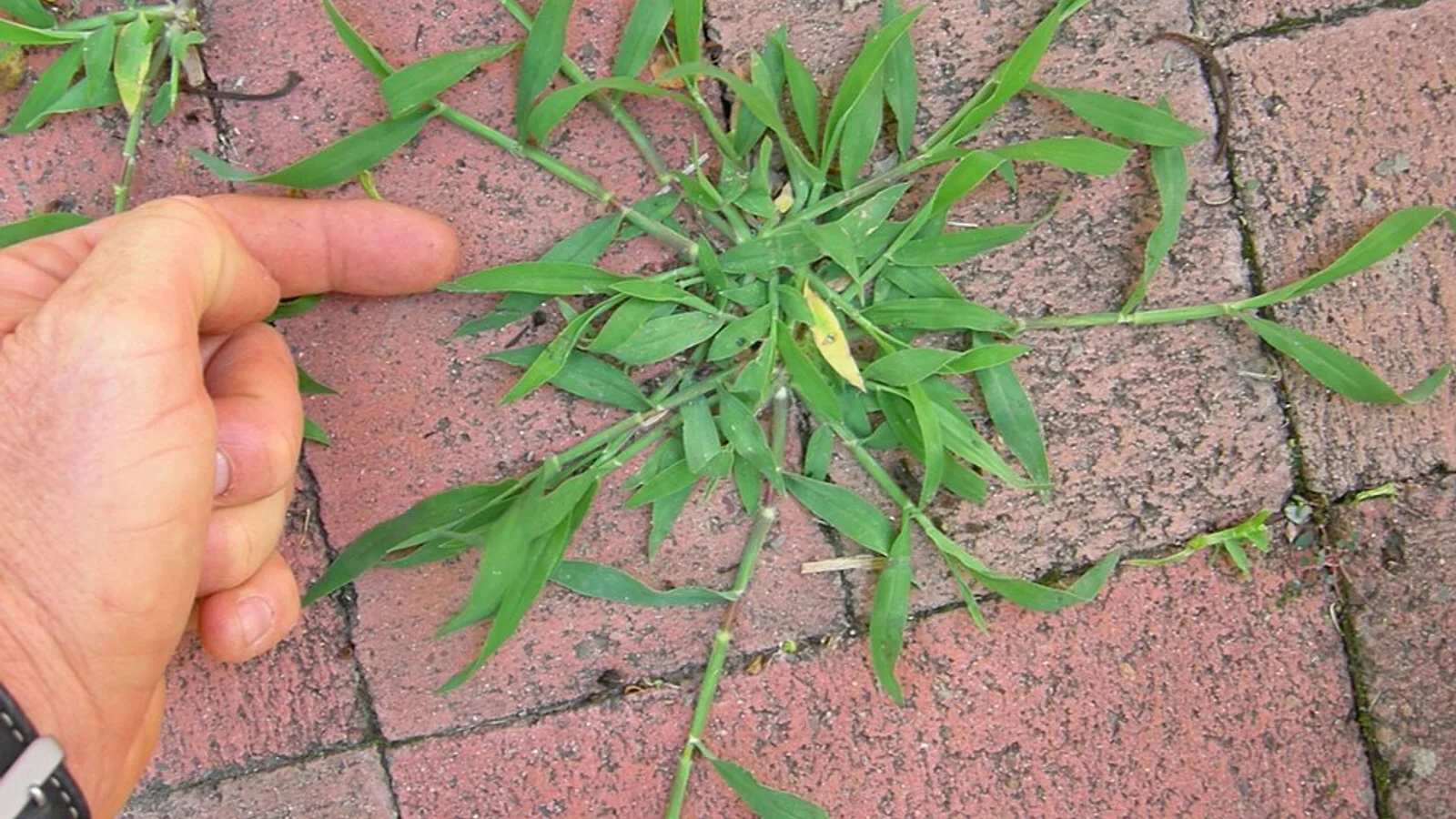
Common Florida Panhandle Lawn Weeds and What They Reveal
Weeds can reveal thin turf, excess moisture, scalping, or compacted ground. Identify the plant and correct the lawn conditions before choosing control.
Read the guide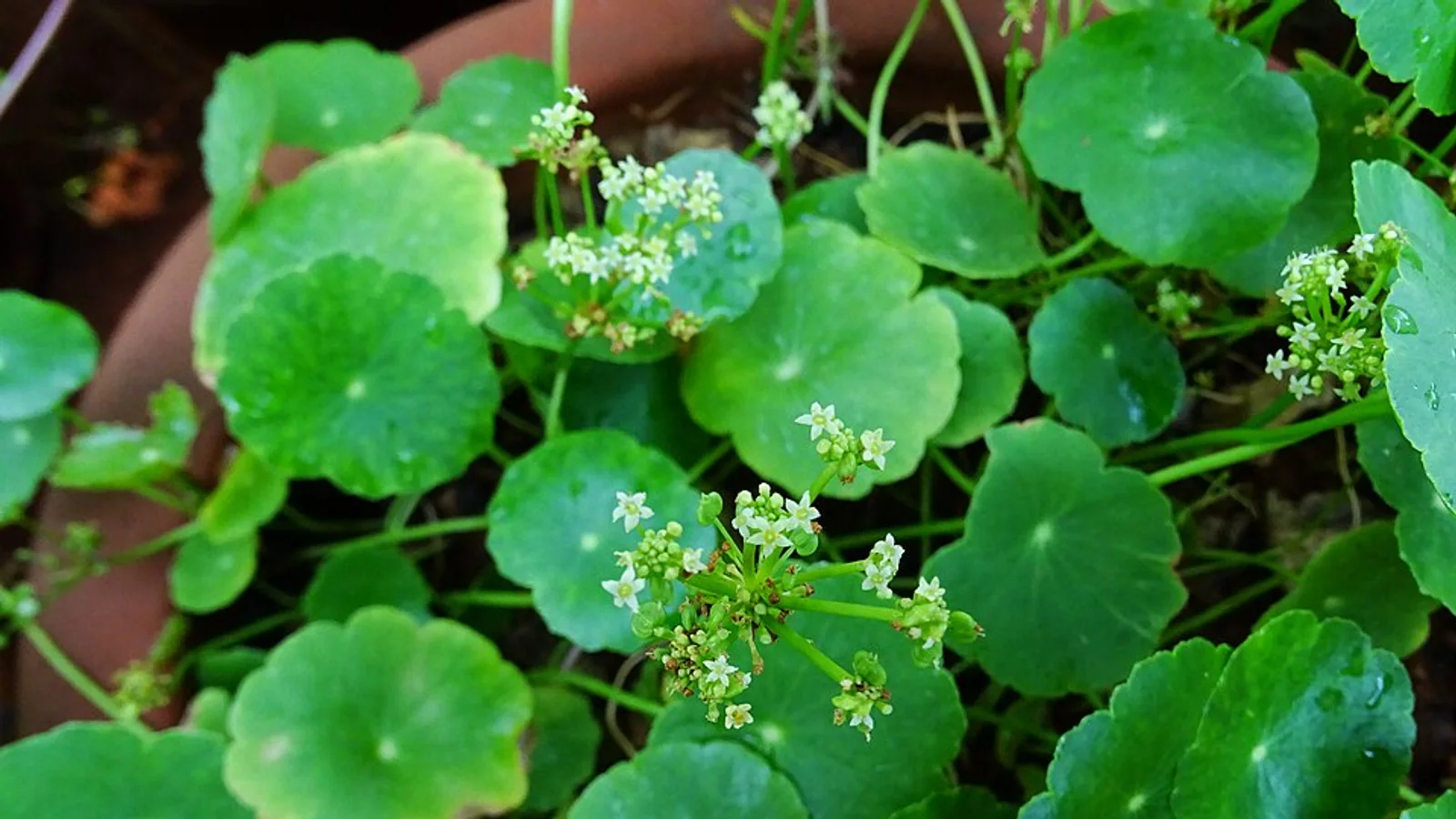
Dollarweed in Your Lawn? Fix the Conditions First
Dollarweed often flourishes in damp areas, but spraying the leaf does not repair a leak, low spot, compacted soil, or excessive irrigation schedule.
Read the guide
Florida Panhandle Lawn Care Calendar: A Season-by-Season Guide
Use turf growth, weather, and lawn conditions, rather than a one-size-fits-all date, to plan a healthier Florida Panhandle yard through every season.
Read the guideLocal lawn care
Need help with your Okaloosa or Walton County lawn?
Ask about lawn mowing, yard cleanup, tree and shrub trimming, bed maintenance, weed control, mulching, or debris removal. Service and address availability must be confirmed.