
Weeds, Pests & Disease
Common Florida Panhandle Lawn Weeds and What They Reveal
Weeds can reveal thin turf, excess moisture, scalping, or compacted ground. Identify the plant and correct the lawn conditions before choosing control.
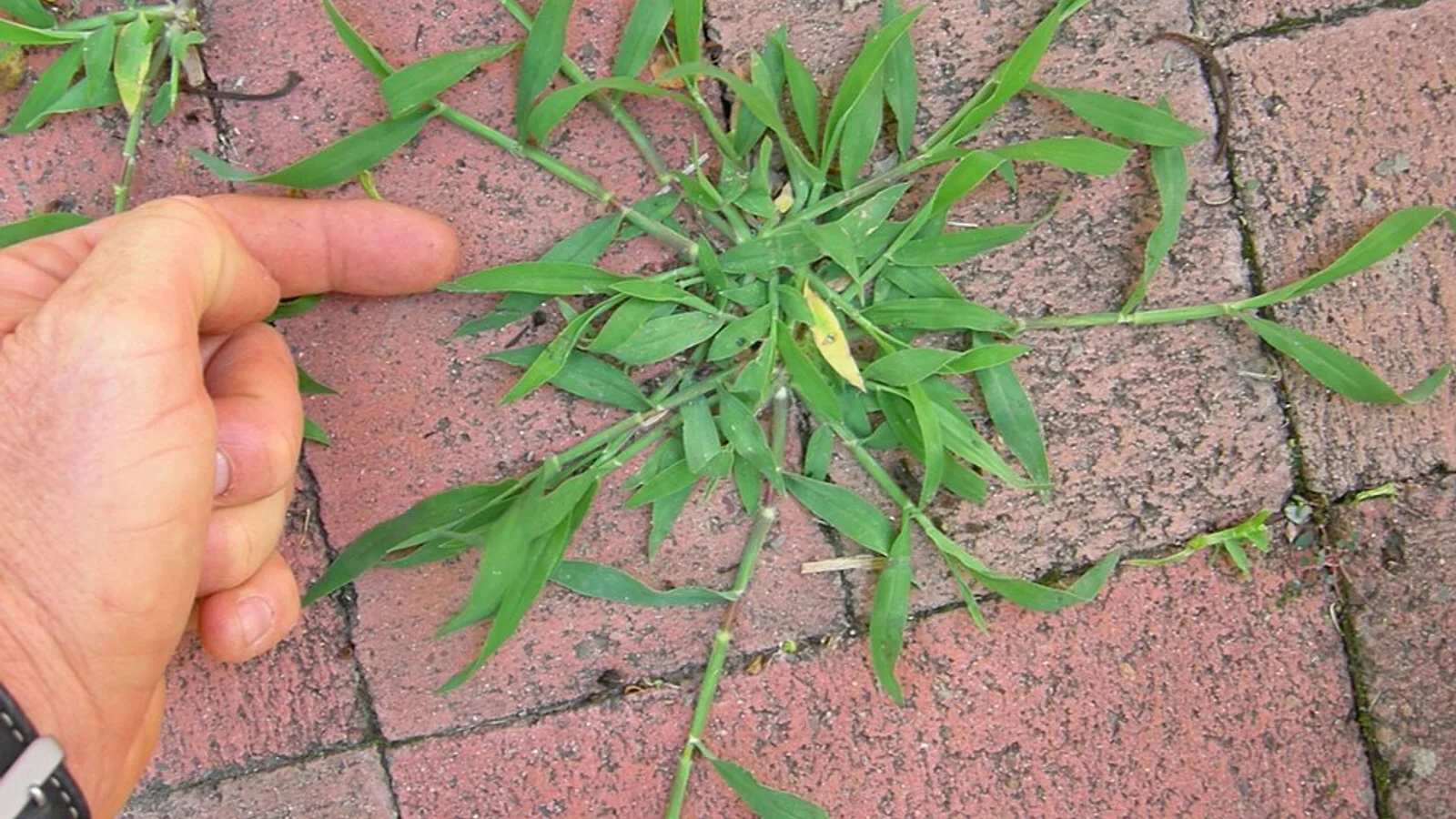
Identify the weed and the turfgrass before deciding that control is needed. A few isolated plants can often be removed before they seed, followed by another scouting pass. A heavy patch, or several wet-site weeds occurring together, is a reason to inspect moisture, mowing height, shade, compaction, and prior turf damage. UF/IFAS cautions that one or two weeds do not diagnose a soil problem. If a product is considered, its current label must name the target and permit use on the exact turf species and site.
A weed can tell you something without telling you everything. Dollarweed in a damp low spot, crabgrass beside a scalped driveway edge, and a sedge around a leaking head do not call for the same response. Pulling the visible plant may tidy the lawn today, but another weed will use the same opening if moisture, shade, compaction, or mowing damage is left unchanged.
Florida Panhandle lawns also contain several warm-season turfgrasses, and controls that one grass tolerates may injure another. Centipedegrass, St. Augustinegrass, bahiagrass, bermudagrass, and zoysiagrass cannot be treated as interchangeable. Identification therefore has two parts: determine what the weed is and what lawn it is growing in. This guide supplies an inspection framework, not a product prescription. Current labels, site restrictions, and qualified identification govern any treatment decision.
Read the pattern before naming the plant
Start with the pattern, not the spray aisle. A band beside a sidewalk may follow reflected heat, mower scalping, or compacted soil. A colony below a downspout lives in a different moisture environment from scattered plants in sunny turf. Photograph the whole patch, then one representative plant from above, from the side, and at the crown. Include leaves, stems, flowers or seedheads, and any runners or underground parts you can expose without spreading them.
Record season and recent changes. Some annual weeds appear during warm weather and reproduce before cool conditions, while others establish in fall or winter and become conspicuous in spring. Perennials persist through structures such as roots, rhizomes, stolons, or tubers. Mowing can remove diagnostic flowers or seedheads, so inspect before the next cut. A plant-identification resource or local UF/IFAS Extension office can help when the features do not support a confident name.
- Photograph the lawn-wide pattern and individual plant details.
- Note sun, shade, soil moisture, grade, and nearby irrigation heads.
- Look for recent scalping, bare soil, traffic, digging, or pest damage.
- Record when the plant appeared and whether it survived from a prior season.
- Identify the desirable turfgrass before considering any control.
Separate grasses, broadleaves, and sedges
Grassy weeds have narrow leaves and jointed stems, which can make them difficult to distinguish from turf at first glance. Growth habit, collar structures, seedheads, hair, and leaf arrangement help separate species. Crabgrass and goosegrass, for example, are both summer annual grasses but form different patterns. Do not assume that every coarse patch in a fine lawn is crabgrass; it may be another grassy weed or even an unwanted turf type.
Broadleaf weeds generally have wider leaves with branching veins and a different growth form from the surrounding grass. Dollarweed, clovers, chamberbitter, and many other plants fall in this broad group, but each has its own life cycle and site preference. Sedges may look grasslike, yet many have triangular stems and leaves arranged in three ranks. Nutsedges can also persist through underground structures, making repeated top removal alone ineffective.
Grass, broadleaf, and sedge are starting groups, not final identifications. A label must name the target and allow use on the lawn species; group resemblance is not enough.
Connect common weed patterns to lawn conditions
Dollarweed and several sedges often become competitive where moisture remains high, so their presence should trigger an irrigation and drainage review. That does not mean either plant proves overwatering: natural rain, low grade, a leaking valve, compacted fill, or a downspout can create the same wet condition. Catch-can measurements, rainfall records, and soil inspection show whether the irrigation schedule contributes to the problem.
Annual grassy weeds frequently exploit thin, disturbed, or closely cut turf where sunlight reaches the soil surface. Broadleaf weeds may colonize bare areas left by shade, traffic, insects, disease, or winter injury. The species still needs identification, but the pattern tells you where prevention can improve. Correct mowing height, adequate light for the turf, need-based irrigation, and repair of the original damage help the lawn occupy space that would otherwise remain available to weeds.
Build prevention around healthy turf
Mow at the recommended height for the actual grass and remove no more than one-third of the blade in a single cut. Repeated scalping reduces leaf area and density, while infrequent mowing that removes too much at once adds stress. Use a sharp blade and mow when the grass and soil are dry enough for a clean cut. Clean soil and plant fragments from equipment when moving between heavily infested and clean areas.
Water established turf when it shows drought need, apply a measured root-zone depth, and pause after adequate rain. Too much water favors some weeds; too little can thin the lawn and favor others. Match grass to sun, shade, salt, traffic, and maintenance level. Where deep shade prevents turf from closing, a suitable groundcover or mulched bed is more realistic than repeatedly adding water, seed, fertilizer, or weed products.
- Keep turf at its species- and cultivar-appropriate mowing height.
- Repair bare areas only after correcting the cause of thinning.
- Calibrate irrigation and address leaks, runoff, and wet low spots.
- Reduce compaction and traffic where they prevent healthy rooting.
- Use a non-turf landscape treatment where the site cannot support grass.
Make any control decision label-first
For a handful of isolated plants, remove the crown and the relevant runners, rhizomes, tubers, or roots, bag any seedheads, and rescout the spot after new growth. Mowing before seed production can slow some upright annuals, but it misses low flowers and does not exhaust many perennials. UF/IFAS notes that a weed-and-feed product is best suited only to a uniform weed population, which is uncommon. A patch problem should not automatically become a whole-lawn application.
If a pesticide is considered, the EPA-approved label is legally enforceable. Read the current label before purchase and application, confirm the target weed and turf species, follow all rates, timing, protective-equipment, weather, buffer, and reentry directions, and protect ornamental root zones and water. Check current local requirements for the service address and use an appropriately credentialed professional where required. If identification is uncertain, do not use a product as an experiment.
This article does not prescribe an herbicide. Labels and rules change, and a product that is safe on one Florida turfgrass may damage another.
Common questions
Frequently asked questions
What are the most common weeds in Florida Panhandle lawns?
Common problems include annual grassy weeds, broadleaf weeds such as dollarweed, and sedges, but the exact mix changes with turf, season, moisture, shade, and disturbance. A local list cannot replace identification. Photograph the plant's leaves, stem, growth habit, flowers or seedhead, and roots, then compare it with UF/IFAS resources or ask Extension before choosing control.
Can mowing eliminate lawn weeds?
Correct mowing can improve turf density and may reduce seed production for some upright annual weeds, but it does not eliminate every species. Low-growing plants can flower below the blade, and perennials can regrow from roots or underground structures. Mowing too low can make weeds worse by thinning the desired grass and exposing soil to light.
Is a weed-and-feed product right for every North Florida lawn?
No. Weed life cycle, application timing, turf species, temperature, fertilizer need, site conditions, local rules, and the current label all matter. UF/IFAS notes that north Florida timing for summer-annual preemergence may not align with the first appropriate fertilizer timing. Identify the weed and verify that both parts of a combined product are actually needed before considering it.
Sources and local guidance
This educational guide was prepared using the primary resources below. Product labels and current local rules always take priority.
- Weed Management Guide for Florida Lawns (University of Florida IFAS Extension)
- Centipedegrass for Florida Lawns (University of Florida IFAS Extension)
- Introduction to Pesticide Labels (United States Environmental Protection Agency)
- Weeds as Indicators of Soil Conditions in Lawns and Landscapes (University of Florida IFAS Extension)
Keep reading
Related lawn care guides
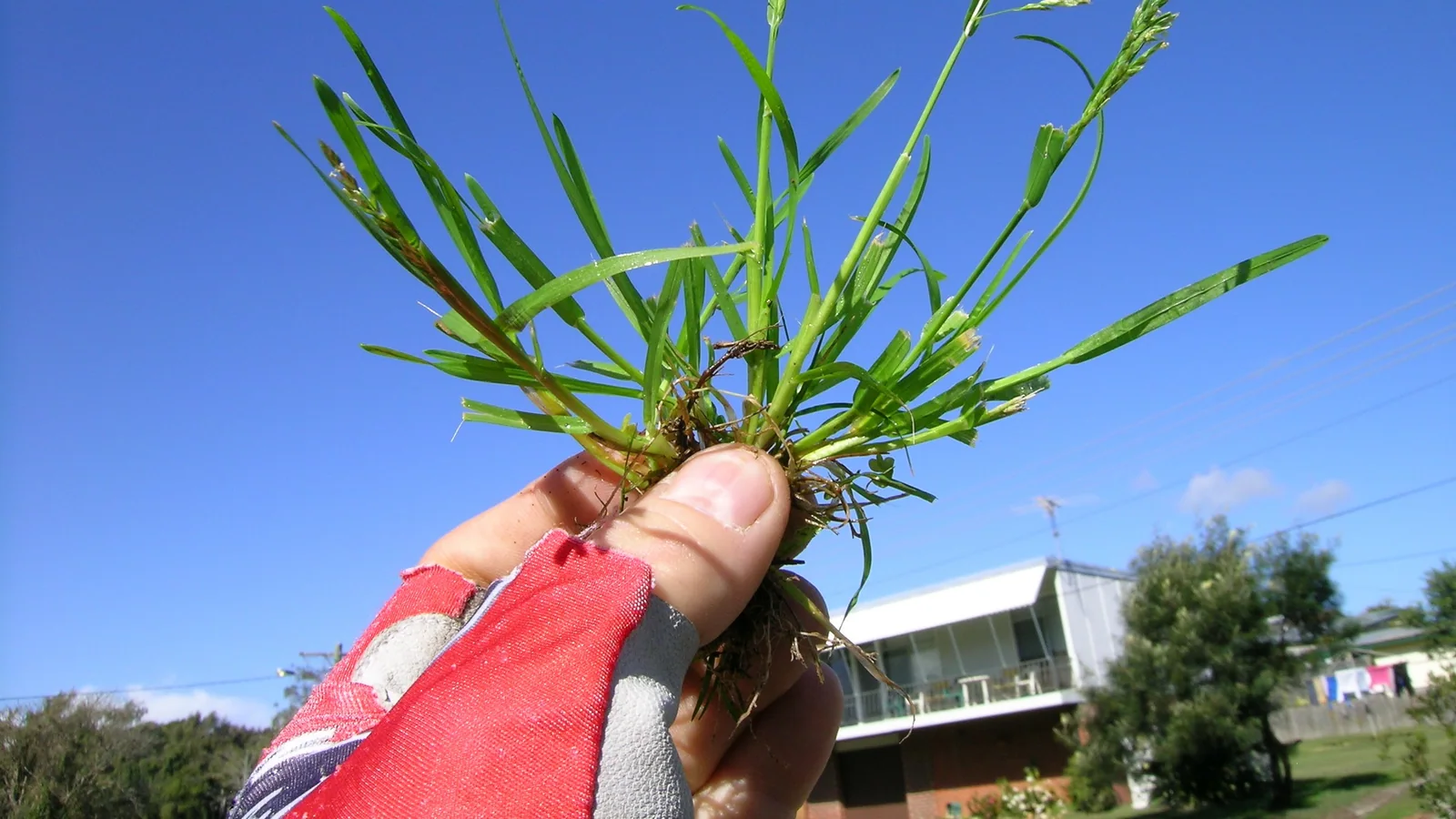
A Seasonal Weed-Prevention Calendar for Northwest Florida
A season-by-season framework for scouting, repairing thin turf, timing prevention thoughtfully, and checking every current product label and local rule.
Read the guide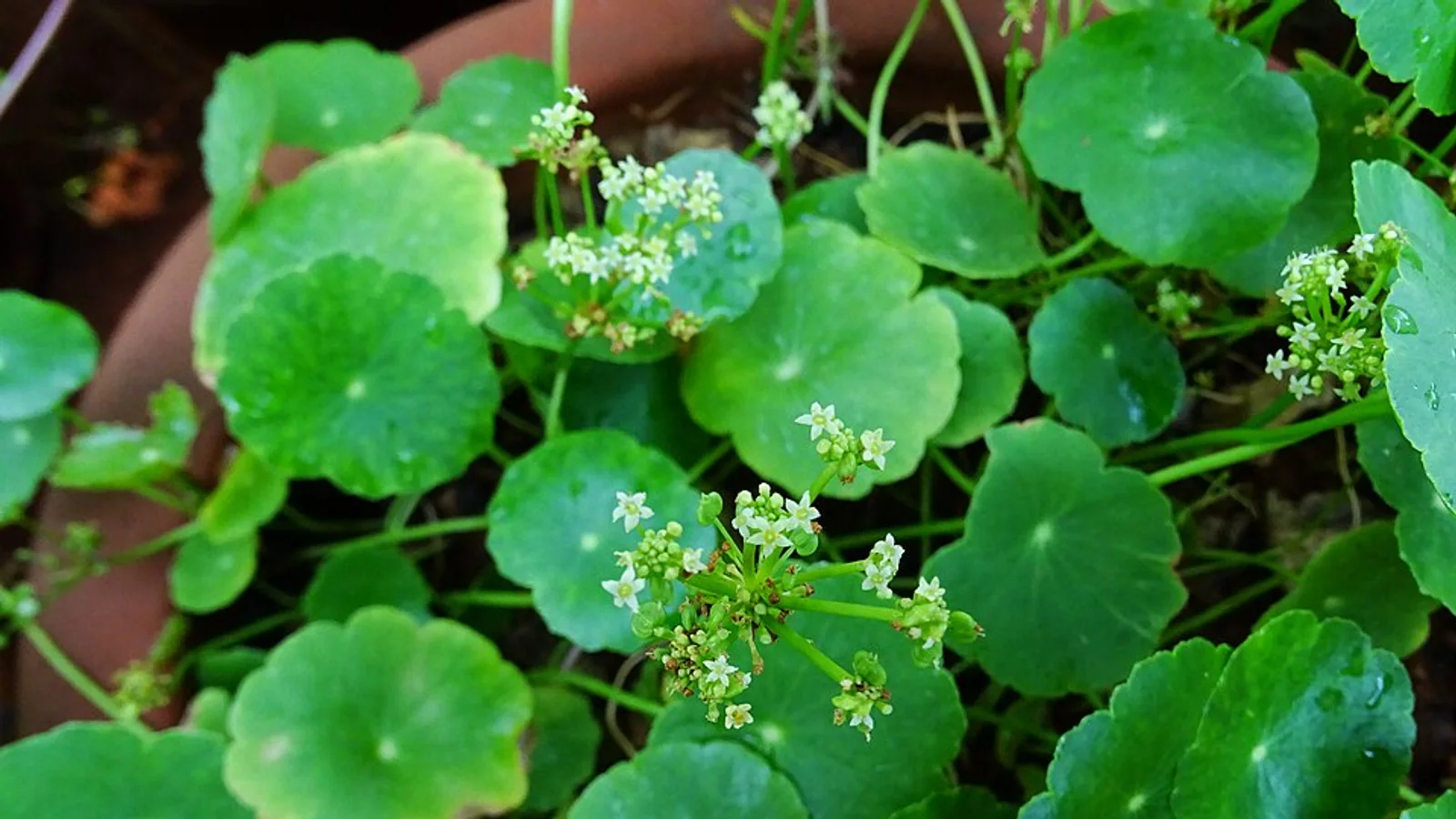
Dollarweed in Your Lawn? Fix the Conditions First
Dollarweed often flourishes in damp areas, but spraying the leaf does not repair a leak, low spot, compacted soil, or excessive irrigation schedule.
Read the guide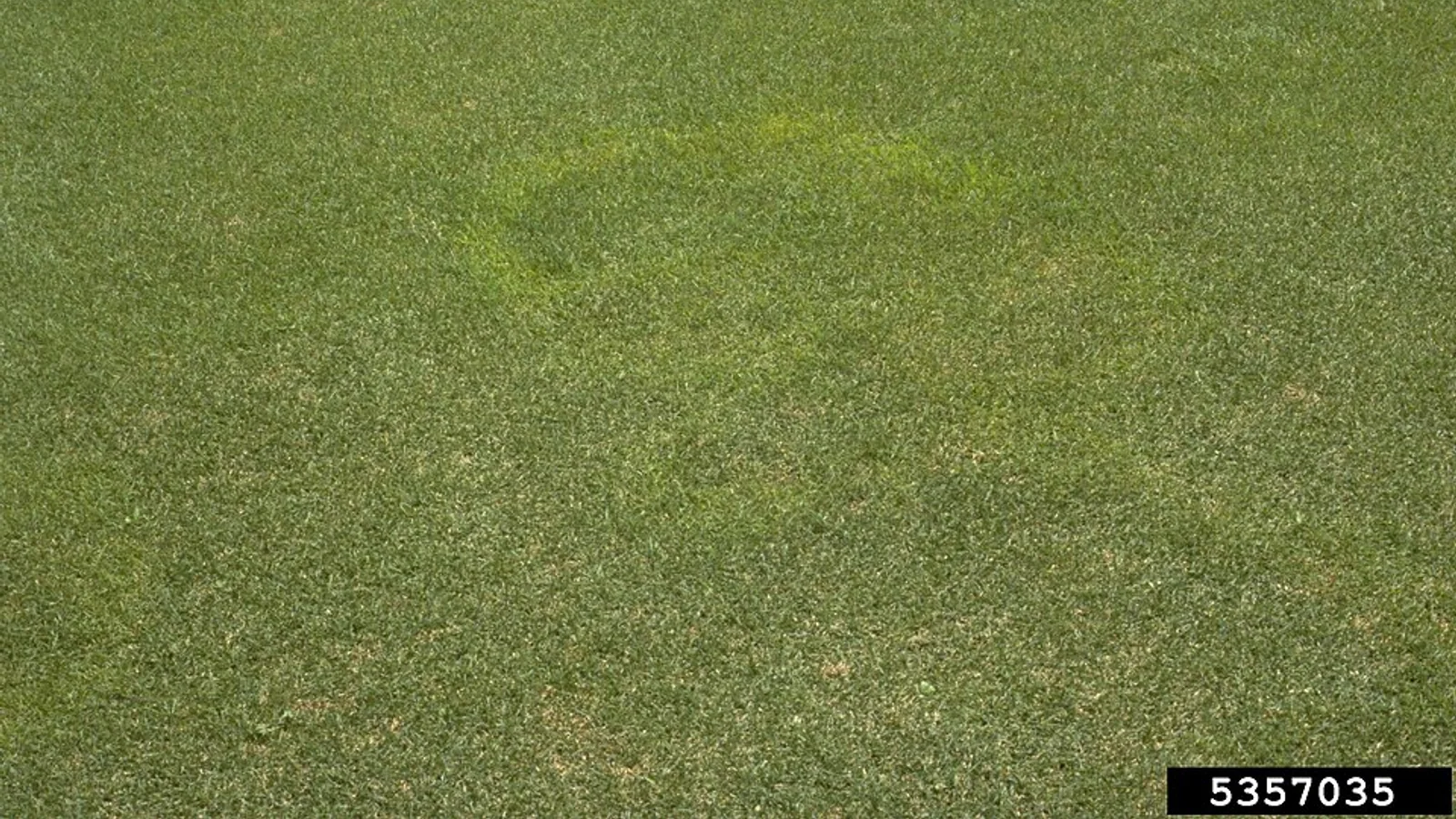
Brown Spots in a Florida Lawn: What Should You Check?
Brown patches can come from drought, irrigation gaps, mowing, dormancy, insects, disease, roots, or injury. Follow the evidence before treating.
Read the guideLocal lawn care
Need help with your Okaloosa or Walton County lawn?
Ask about lawn mowing, yard cleanup, tree and shrub trimming, bed maintenance, weed control, mulching, or debris removal. Service and address availability must be confirmed.