
Seasonal & Storm Care
Spring Lawn Care Checklist for Northwest Florida Homes
A careful spring reset starts with complete green-up, a correctly set mower, an irrigation check, and diagnosis before fertilizer or weed decisions.
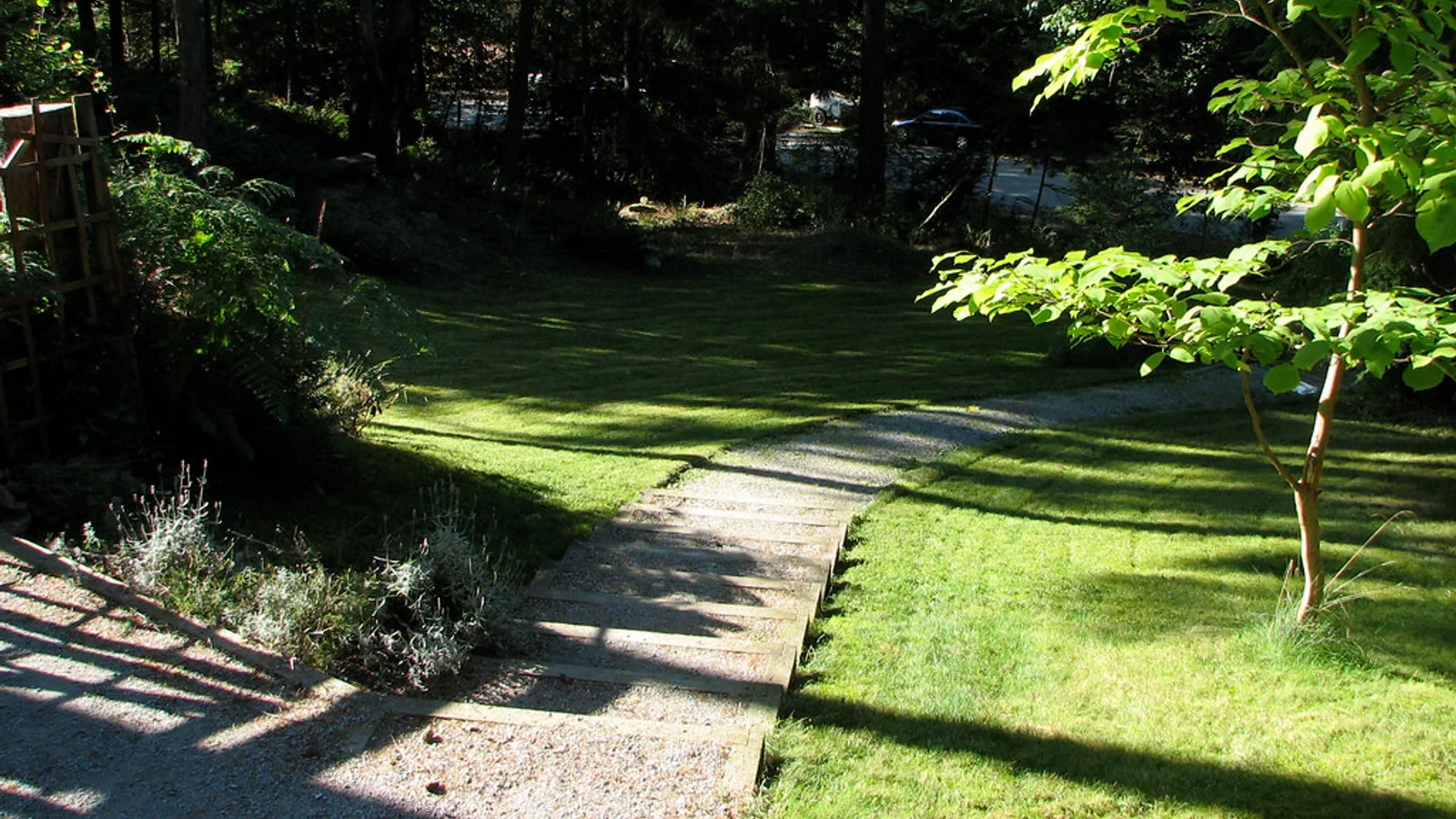
Start with full, sustained green-up, not the first green blades in a sunny corner. Identify the turf, set the finished cut to its UF/IFAS height, and test every irrigation zone before restoring a summer schedule. In north Florida, mid-April is a general earliest reference for a spring fertilizer decision, but only actively growing turf with a demonstrated need should be considered. Identify weeds and diagnose brown or yellow areas before choosing any product.
The first warm weekend often sends every mower in the neighborhood outside, but it does not mean every lawn is ready for a full spring program. Warm-season grass responds to soil temperature, light, species, and recent freezes. A sunny bermudagrass strip can be moving while shaded St. Augustinegrass or centipedegrass is still partly dormant.
Work through the yard in a deliberate order. Confirm growth, identify the grass, prepare the mower, check irrigation, and then diagnose anything unusual. That sequence matters because a low first cut removes leaf area, an old summer timer can soak cool soil, and early nitrogen may be poorly used by roots that are not yet active.
Confirm Active Growth Before the First Reset
Look across the entire lawn rather than judging by the first sunny patch. Consistent new leaves, increasing height, and the need for mowing are better evidence of active growth than scattered green blades. Compare exposed and shaded sections, and note areas that remain straw-colored. Those areas may simply be behind, but they can also reveal cold injury, drainage trouble, wear, or a species mismatch.
Gently inspect the edge of a questionable patch. Living runners or crowns and new shoots suggest recovery is underway. Loose turf, damaged roots, a wet odor, or an expanding pattern calls for closer diagnosis. Do not assume every brown area needs fertilizer, water, insect control, or fungicide. Those actions solve different problems and can worsen the wrong one.
- Photograph recurring patches from the same position each week.
- Mark areas that stay wet a day after the rest of the yard dries.
- Check whether thin turf corresponds with shade, traffic, or sprinkler gaps.
- Identify the grass before setting height or selecting any lawn product.
Prepare the Mower for the Grass You Have
Sharpen the blade before regular mowing begins. A dull edge tears leaf tips and can leave the whole lawn looking tan a day later. Clean the deck, equalize tire pressure, and verify that the height mechanism is level. Then measure the result: standard St. Augustinegrass belongs around 3.5 to 4 inches, bahiagrass around 3 to 4 inches, centipedegrass around 1.5 to 2.5 inches, and ordinary residential bermudagrass commonly around 1 to 2 inches. Cultivar and equipment can narrow those ranges.
Make the first cut only when the lawn is dry enough to avoid ruts and clumps. Remove no more than one-third of the leaf blade. Cutting dormant color away in one low pass is scalping, not spring cleanup, and it can expose stems and crowns just as the plant needs leaf area for recovery. Return fine clippings unless they collect in heavy piles.
Set mower height from the turf species and cultivar, not from a preferred short appearance or the setting used on a neighboring lawn.
Audit Irrigation Instead of Restarting Last Year's Schedule
Run each zone briefly while watching the system. Look for broken heads, tilted spray, clogged nozzles, blocked patterns, runoff, and water landing on pavement. Shrubs and turf should not share identical watering needs. A simple catch-can test can reveal uneven output and establish how long a zone takes to deliver a measured depth rather than an assumed amount.
After the test, return to need-based watering. Established turf signals drought through folded blades, blue-gray color, and footprints that remain. Cool spring soil and periodic rain can keep roots moist longer than expected, so yesterday's summer schedule may be excessive. Water early in the morning when needed and allowed, and check current local or utility restrictions before setting days.
Use Soil Information for the Questions It Can Answer
Spring yellowing is not a nutrient diagnosis. Soil temperature, saturated roots, pH, root disease, and normal green-up can all affect color. A Florida turf soil test is especially useful for pH, salinity, and lime requirement. It can help prevent an unnecessary lime application, which is important because centipedegrass and bahiagrass prefer more acidic conditions than some other lawn grasses.
Measure the actual turf area and understand the grass before considering fertilizer. UF/IFAS guidance cautions against nitrogen during partial spring green-up in north Florida, when roots may not use it effectively and sandy soils increase leaching concern. Mid-April is a general reference point for the first north Florida application, but full green-up, the current label, site conditions, and the rules for the address still control the decision. A holiday on the calendar does not.
Address Weeds and Thin Areas at Their Cause
Map weeds before reaching for a combined product. Grassy weeds, broadleaf weeds, and sedges require different identification, and their location often explains why they appeared. Sedges and dollarweed can point toward excess moisture. Weeds along a scalped edge may reflect mowing stress, while those in an open canopy may be taking advantage of shade, compaction, or weak turf coverage.
Correct the cultural problem first where possible: raise the mower to the species height, repair irrigation coverage, redirect traffic, or replace failing deep-shade turf with a suitable bed. For several summer annual weeds, UF/IFAS uses about March 1 as a north Florida preemergence rule of thumb. That is earlier than the general mid-April fertilizer reference, which is one reason a combined weed-and-feed product can be badly timed. The target weed, turf species, current label, and actual weather still decide whether any product fits.
- Finish green-up assessment before drawing conclusions from color.
- Service and correctly set the mower.
- Test irrigation distribution and rain shutoff operation.
- Identify weeds and site stresses before choosing a response.
- Keep clippings, soil, and fertilizer off pavement and out of drains.
Common questions
Frequently asked questions
Should I scalp my Northwest Florida lawn in spring?
No. A low cut that removes more than one-third of the leaf can injure warm-season turf and expose crowns. Resume only after active growth begins, then use the identified grass's normal range. Standard St. Augustinegrass, for example, should finish around 3.5 to 4 inches rather than receiving a close spring cut.
Why is part of my lawn still brown after other areas turn green?
Shade, cooler soil, different turf, cold injury, drainage, wear, and root problems can create uneven green-up. Compare the pattern with site conditions and inspect roots and moisture before adding water, fertilizer, or any treatment.
Is spring the best time to test lawn soil?
Testing can be useful whenever a result will guide a decision. For Florida turf, it is particularly valuable for pH, salinity, and lime requirement. It should be paired with grass identification and site observation rather than treated as a universal nutrient prescription.
Sources and local guidance
This educational guide was prepared using the primary resources below. Product labels and current local rules always take priority.
- Mowing Your Florida Lawn (UF/IFAS Extension)
- Watering Your Florida Lawn (UF/IFAS Extension)
- Soil Testing and Interpretation for Florida Turfgrasses (UF/IFAS Extension)
- Weed Management Guide for Florida Lawns (UF/IFAS Extension)
- Centipedegrass for Florida Lawns (UF/IFAS Extension)
- Bermudagrass for Florida Lawns (UF/IFAS Extension)
Keep reading
Related lawn care guides
Florida Panhandle Lawn Care Calendar: A Season-by-Season Guide
Use turf growth, weather, and lawn conditions, rather than a one-size-fits-all date, to plan a healthier Florida Panhandle yard through every season.
Read the guide
How Often Should You Mow a Florida Panhandle Lawn?
A practical guide to choosing the right mowing interval for a Florida Panhandle lawn as grass growth, rainfall, temperature, and turf type change.
Read the guide
Coastal vs. Inland Lawn Care in Okaloosa and Walton Counties
County lines do not determine lawn care. Compare each yard's salt exposure, soil, sun, traffic, drainage, and maintenance needs before choosing turf.
Read the guideLocal lawn care
Need help with your Okaloosa or Walton County lawn?
Ask about lawn mowing, yard cleanup, tree and shrub trimming, bed maintenance, weed control, mulching, or debris removal. Service and address availability must be confirmed.