
Seasonal & Storm Care
Florida Panhandle Lawn Care Calendar: A Season-by-Season Guide
Use turf growth, weather, and lawn conditions, rather than a one-size-fits-all date, to plan a healthier Florida Panhandle yard through every season.
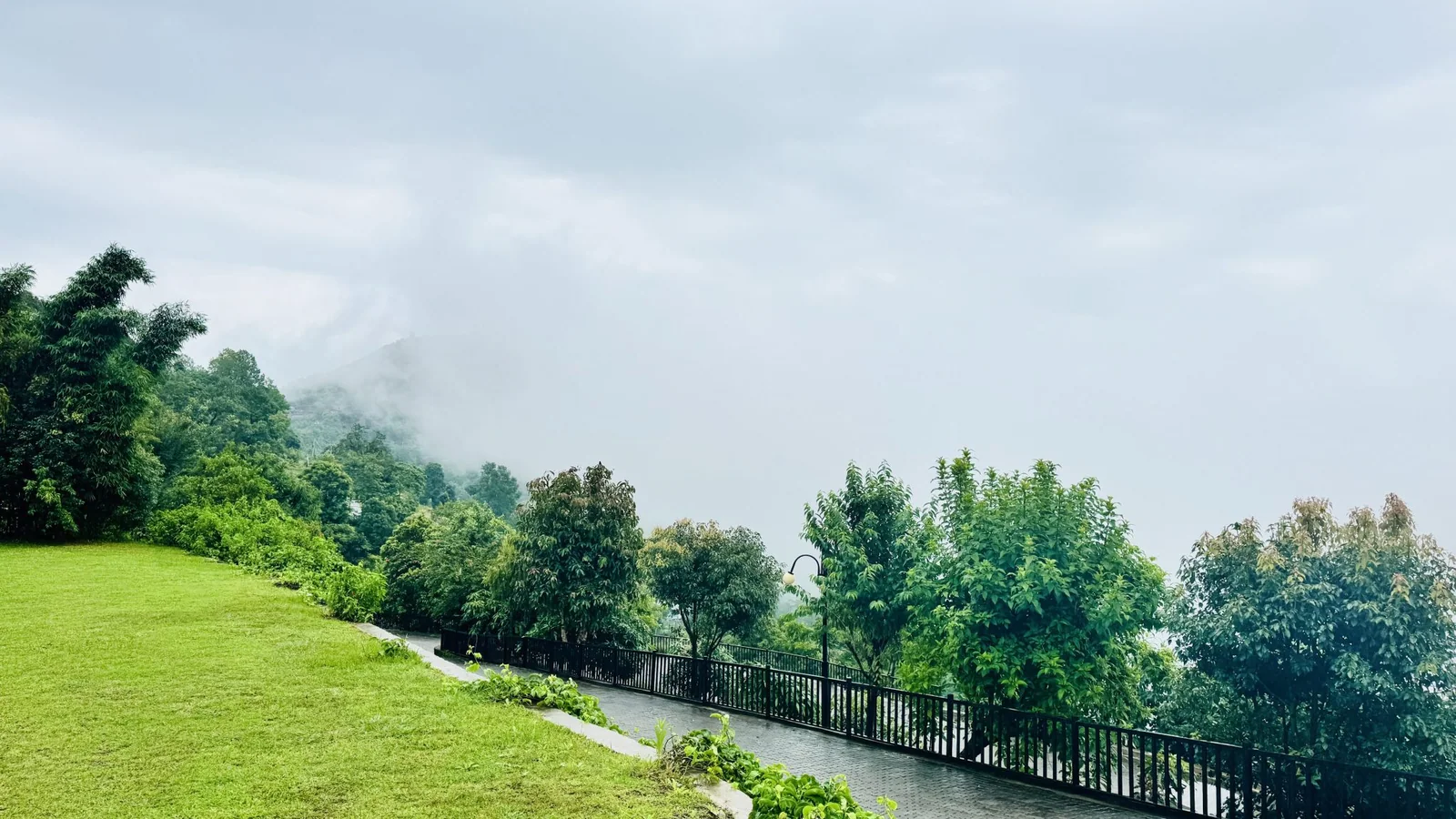
Use a Florida Panhandle lawn calendar as an inspection rhythm, not as permission to treat the yard on a fixed date. Wait for full spring green-up, use mid-April only as a general north Florida reference point for the earliest fertilizer decision, and mow by species height and the one-third rule. During active growth, irrigate only after drought signs appear and apply about one-half to three-quarters of an inch when watering is allowed. Slow both mowing and irrigation as fall growth fades.
A calendar written for Miami can be weeks out of step with a lawn in Crestview, Niceville, or DeFuniak Springs. Northwest Florida gets humid summers and sandy soils, but it also gets freezes, uneven spring green-up, and developed lots with compacted fill. Add five common turf species to that mix, and a month-by-month checklist needs some judgment behind it.
The useful clues are visible in the grass. New leaf growth tells you when mowing should restart. Folded or blue-gray blades and footprints that linger point toward drought stress. Clipping volume shows whether the mowing interval is keeping up, while puddles and moisture-loving weeds flag an area that may be staying wet. Use the seasons below to decide what to inspect, then let the species, weather, label, and current local rules decide what to do.
January and February: Let Dormant Turf Rest
Warm-season turf commonly turns tan or brown after cold weather in the Florida Panhandle. That color can be normal dormancy rather than death. Growth is slow, so mowing and irrigation demand usually fall sharply. Walk the yard after rain and note persistent puddles, erosion, exposed roots, traffic wear, and branches that reduce winter light, but avoid trying to force a summer-green appearance from inactive grass.
Use the quieter period for maintenance that prevents spring problems. Clean the mower deck, sharpen the blade, confirm the deck adjusts correctly, and inspect irrigation heads for damage or overspray. Mulch-mow a modest layer of leaves when conditions are dry, or move them into suitable beds. Thick, wet mats should not remain over turf because they block light and air.
- Reduce mowing to match actual growth.
- Pause irrigation after adequate rainfall.
- Keep leaves and clippings out of streets and drains.
- Record thin, shaded, wet, or compacted areas for spring decisions.
March and April: Wait for Complete Green-Up
Spring arrives unevenly. Sunny sections may green before shaded or north-facing areas, and a late cool spell can slow the whole lawn. Resume mowing when grass is genuinely growing, using the height recommended for the identified species. Remove no more than one-third of the leaf blade in a single cut; lowering the mower to remove winter color can scalp living crowns and delay recovery.
Do not treat pale early-spring turf as automatic proof of a nutrient shortage. Cold soil, wet roots, pH, disease, and natural green-up can all affect color. UF/IFAS species guidance uses about mid-April as a general first-fertilizer reference for north Florida, but that date is not a green light. Wait until the lawn is fully green and actively growing, check the site first, and follow the current label and every rule that applies to the address.
A calendar reminder is a prompt to inspect, not an instruction to apply a product. Full green-up and a correct diagnosis matter more than a holiday date.
May Through August: Mow by Growth and Water by Need
Late spring and summer usually bring the fastest growth. Keep a sharp blade and cut before the lawn rises more than roughly 50 percent above its finished height. That is the practical math behind the one-third rule: St. Augustinegrass kept at 4 inches should be mowed by about 6 inches, while centipedegrass kept at 2 inches should be cut by about 3 inches. A rain-driven growth surge may move the next cut forward; heat or drought stress may move it back.
Established grass should be irrigated when it shows drought signals, not simply because the timer reached a programmed day. Folded blades, a blue-gray cast, and footprints that remain visible are useful clues. When irrigation is needed and permitted, UF/IFAS generally recommends applying one-half to three-quarters of an inch early in the morning, then waiting for signs of need again. Rainfall should replace, not supplement, a scheduled cycle.
- Scout wet areas for dollarweed, sedges, and root stress.
- Check dry patches for poor sprinkler coverage before increasing every zone.
- Sweep clippings from pavement back onto the lawn.
- Inspect brown areas instead of assuming insects or disease from color alone.
September and October: Follow the Slowdown
Early fall can still feel like summer, but shorter days and cooler nights eventually reduce turf growth. Continue using the one-third rule while stretching the interval between cuts as clipping volume declines. Revisit the irrigation controller after every meaningful weather change. A setting that matched June heat can keep roots unnecessarily wet when evaporation and growth slow.
Avoid pushing late tender growth with a generic winterizer routine. The appropriate decision depends on grass species, active growth, the current fertilizer label, recent weather, and the applicable local requirements. Fall is also a good time to map recurring trouble spots: expanding shade, compacted pathways, low areas, pet routes, and sections where irrigation overlaps. Those observations support better winter planning.
November and December: Watch Moisture and Large Patch Weather
As warm-season turf approaches dormancy, mowing becomes occasional and irrigation demand drops. Large patch is more likely during cooler, moist periods and commonly affects St. Augustinegrass and zoysiagrass. Circular or expanding discolored areas deserve inspection, but appearance alone is not a reliable diagnosis. Irrigation, cold injury, roots, mowing damage, and other stresses can produce similar symptoms.
Finish the year by clearing light leaf cover, servicing equipment, and comparing notes from the growing season. Decide whether chronically shaded areas should remain turf or become a mulched or planted bed. Check current municipal, utility, and Northwest Florida Water Management District information before publishing or following any watering schedule, because restrictions and shortage notices can change independently of a lawn calendar.
Common questions
Frequently asked questions
What month should I start mowing in Northwest Florida?
There is no universal start date. Begin when the turf has resumed measurable growth and needs a cut, then use the correct species height and the one-third rule. A warm February may produce some growth, while a cool spring can delay consistent mowing.
Should I run my sprinklers on the same schedule all year?
No. Established turf should be watered in response to drought signs and current restrictions, with rainfall replacing irrigation. Seasonal controller adjustments help prevent shallow roots, wet-soil weeds, nutrient loss, and disease pressure.
When should a Florida Panhandle lawn be fertilized?
Wait for active growth and complete green-up, identify the turf and site need, and follow the current product label. Mid-April is a general UF/IFAS reference point for the first north Florida application, not a mandatory date. Check the rules for the property's municipality, county, utility, and any other applicable authority before making a site-specific decision.
Sources and local guidance
This educational guide was prepared using the primary resources below. Product labels and current local rules always take priority.
- Mowing Your Florida Lawn (UF/IFAS Extension)
- Watering Your Florida Lawn (UF/IFAS Extension)
- Centipedegrass for Florida Lawns (UF/IFAS Extension)
- Improving Turfgrass Health: Proper Irrigation Techniques (UF/IFAS Extension)
Keep reading
Related lawn care guides
Spring Lawn Care Checklist for Northwest Florida Homes
A careful spring reset starts with complete green-up, a correctly set mower, an irrigation check, and diagnosis before fertilizer or weed decisions.
Read the guide
Rainy-Season Lawn Care Tips for Florida Panhandle Yards
Frequent rain changes mowing, irrigation, disease pressure, and cleanup. Learn how to respond without assuming every wet lawn needs the same fix.
Read the guide
Fall and Winter Lawn Care for the Florida Panhandle
Help Northwest Florida turf enter cooler weather without forcing growth, overwatering dormant grass, or mistaking every brown area for a dead lawn.
Read the guideLocal lawn care
Need help with your Okaloosa or Walton County lawn?
Ask about lawn mowing, yard cleanup, tree and shrub trimming, bed maintenance, weed control, mulching, or debris removal. Service and address availability must be confirmed.