
Mowing & Maintenance
How Often Should You Mow a Florida Panhandle Lawn?
A practical guide to choosing the right mowing interval for a Florida Panhandle lawn as grass growth, rainfall, temperature, and turf type change.
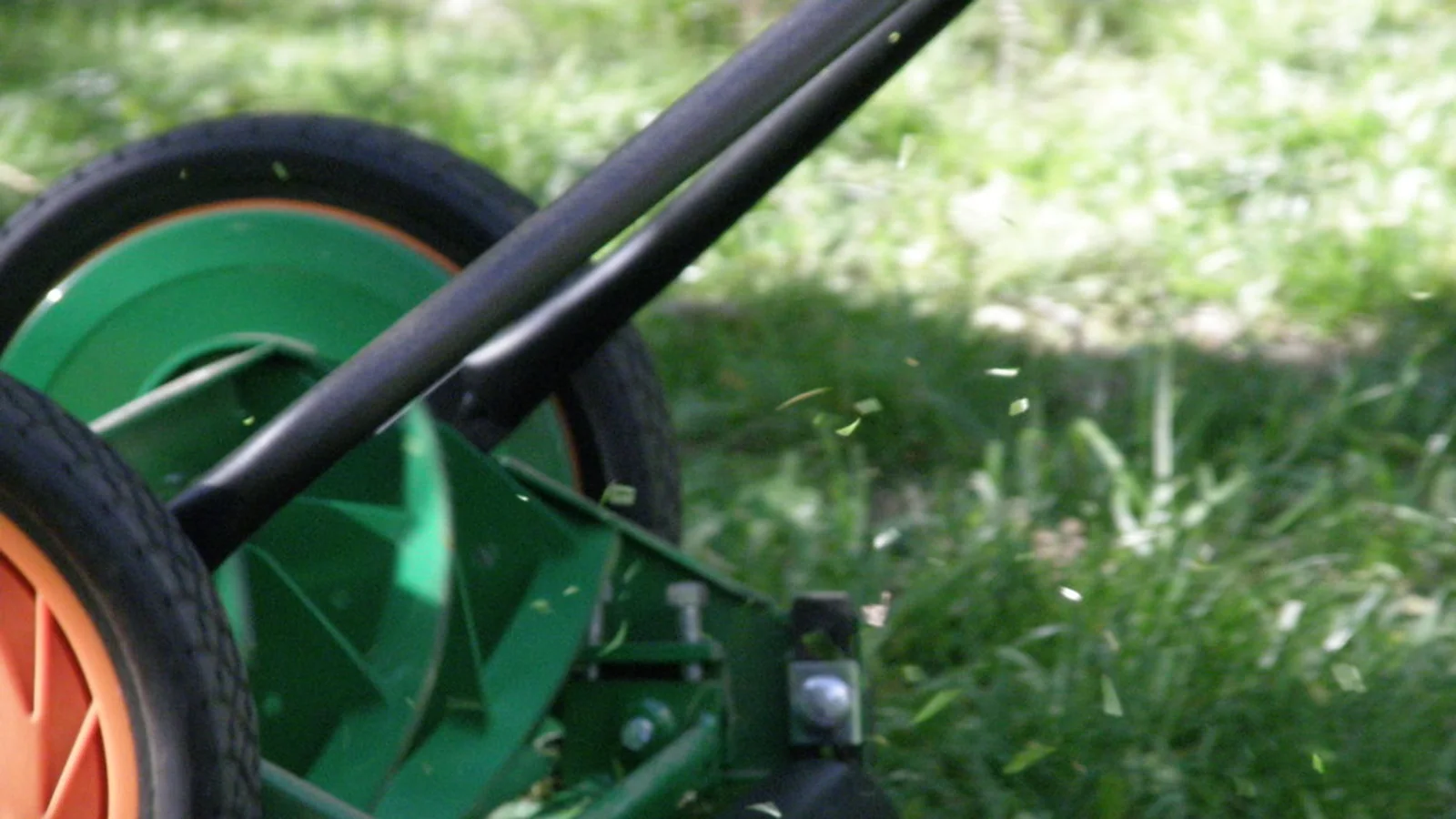
Use the one-third rule to set the next mowing date. During active growth, UF/IFAS places centipedegrass and bahiagrass on roughly 7-to-14-day intervals, standard St. Augustinegrass typically around weekly, medium- or coarse-textured zoysiagrass weekly or when it reaches 3 to 4 inches, and residential bermudagrass as often as once or twice a week. Rain, drought, shade, and the chosen finished height can shift those starting intervals, so measure growth before cutting.
A standing Tuesday appointment is convenient, but grass does not grow by the weekday. Warm soil and summer rain can pull the next cut forward. Drought, shade, short days, and winter dormancy can push it back for weeks. That is why the same yard may need two cuts in a fast 14-day stretch and none during a quiet winter month.
Identify the grass and choose its finished height first. Then cut before getting back to that height would remove more than one-third of the standing leaf. Species guidance supplies a useful starting interval, while a quick height check tells you whether this particular lawn is actually ready.
Let grass growth set the mowing interval
Mowing frequency is simply the time it takes the lawn to grow from its finished height to the one-third limit. Multiply the finished height by about 1.5 to find a practical trigger. Turf kept at 3 inches should be cut by about 4.5 inches. Standard St. Augustinegrass finished at 4 inches should be cut by about 6 inches. Centipedegrass finished at 2 inches should be cut by about 3 inches.
Species guidance adds a useful reality check. UF/IFAS recommends about every 7 to 14 days during active growth for centipedegrass and bahiagrass, typically weekly for St. Augustinegrass, and once or twice weekly for residential bermudagrass under low to moderate management. Medium- or coarse-textured zoysiagrass is generally cut weekly or when it reaches 3 to 4 inches. Those are starting points, not appointments that override the measured lawn.
Expect the schedule to change with the season
During late spring and summer, inspect at least weekly even if the normal interval is longer. Rain, irrigation, fertility, sun, and species can shorten the window quickly. A centipedegrass lawn may still fit its 7-to-14-day range, while low-cut bermudagrass can cross its threshold twice in the same week. The inspection, not an automatic visit, decides whether a cut is due.
Growth usually slows as fall temperatures drop and may stop when warm-season turf becomes dormant. Stretch the interval instead of mowing brown grass simply because another week has passed. In spring, resume based on new growth after the lawn has genuinely greened up; repeated close cuts do not make dormant turf wake sooner.
Adjust after rain, drought, and missed cuts
A rainy period can make grass grow quickly, yet saturated soil and wet blades are poor mowing conditions. Wet turf can clump, tear rather than cut cleanly, and rut under wheels. Wait until blades and soil are reasonably dry, then mow at the correct height. Keep clippings on the lawn when they disperse evenly, but break up or remove thick piles that block light.
After drought, the lawn may grow slowly even if the calendar says it is due. Mowing higher within the species range preserves more leaf area and can support deeper rooting. If travel or weather allows the grass to become overgrown, do not scalp it back in one pass. Reduce the height gradually over more than one mowing while continuing to follow the one-third rule.
Use the cut itself as a quality check
A clean, even surface with upright leaf tips suggests the mower height and blade condition are working. Ragged, pale, or shredded tips often point to a dull blade. Circular low spots can indicate scalping on uneven ground, and repeated wheel ruts can show that the soil was too wet or the mowing pattern never changes.
Before each cut, clear toys, branches, pinecones, and other debris, and check for people and pets nearby. Mow dry turf with a sharp blade, vary the direction from one mowing to the next, and sweep clippings from pavement back onto the lawn. Keeping material out of streets and storm drains protects nearby water as well as the finished appearance.
Build a flexible routine for your property
Start each active-growth week with four checks: standing height, soil firmness, drought symptoms, and the short forecast. Measure several representative spots rather than the tallest seedhead. If the fastest healthy section is near its 1.5-times trigger and the soil can carry the mower without rutting, schedule the cut. If blades are folded from drought or tires would sink, wait even when the date looks right.
Keep a simple record of mowing dates and conditions for several weeks. The pattern will reveal when the lawn typically speeds up after rain, slows during drought, or enters seasonal dormancy. That local history is more useful than a generic number of days and makes it easier to plan timely mowing without repeatedly removing too much green tissue.
Common questions
Frequently asked questions
Is mowing once a week enough for a Florida lawn?
Once a week is often a practical starting interval during active growth, but it is not always enough and may sometimes be unnecessary. Measure growth against the grass-specific target height and mow before a cut would remove more than one-third of the blade.
Should I mow a dormant brown lawn in winter?
Usually, dormant warm-season grass needs little or no routine mowing because it is not producing meaningful leaf growth. Mow only when actual growth or stray weeds justify it, and avoid lowering the deck to force a greener or tighter appearance.
What if rain makes the lawn too tall before it dries?
Wait until the turf and soil can support mowing without clumping or rutting. Then use the normal recommended height and take the lawn down gradually if one pass would violate the one-third rule.
Sources and local guidance
This educational guide was prepared using the primary resources below. Product labels and current local rules always take priority.
- Mowing Your Florida Lawn (UF/IFAS Extension)
- Selecting a Turfgrass for Florida Lawns (UF/IFAS Extension)
- Bahiagrass for Florida Lawns (UF/IFAS Extension)
- Bermudagrass for Florida Lawns (UF/IFAS Extension)
- Centipedegrass for Florida Lawns (UF/IFAS Extension)
- St. Augustinegrass for Florida Lawns (UF/IFAS Extension)
- Zoysiagrass for Florida Lawns (UF/IFAS Extension)
- How to Manage Yard Wastes to Protect Surface Water (UF/IFAS Extension)
Keep reading
Related lawn care guides
Florida Grass Mowing Height Guide for Panhandle Lawns
Use grass species and cultivar, not a mower deck number or a neighbor's lawn, to choose a healthy mowing height for Florida Panhandle turf.
Read the guide
Best Grass for Florida Panhandle Yards
The best grass for an Okaloosa or Walton County yard depends on sunlight, soil, salt exposure, foot traffic, appearance goals, and maintenance capacity.
Read the guide
Florida Panhandle Lawn Care Calendar: A Season-by-Season Guide
Use turf growth, weather, and lawn conditions, rather than a one-size-fits-all date, to plan a healthier Florida Panhandle yard through every season.
Read the guideLocal lawn care
Need help with your Okaloosa or Walton County lawn?
Ask about lawn mowing, yard cleanup, tree and shrub trimming, bed maintenance, weed control, mulching, or debris removal. Service and address availability must be confirmed.