
Local Lawn Care
Coastal vs. Inland Lawn Care in Okaloosa and Walton Counties
County lines do not determine lawn care. Compare each yard's salt exposure, soil, sun, traffic, drainage, and maintenance needs before choosing turf.
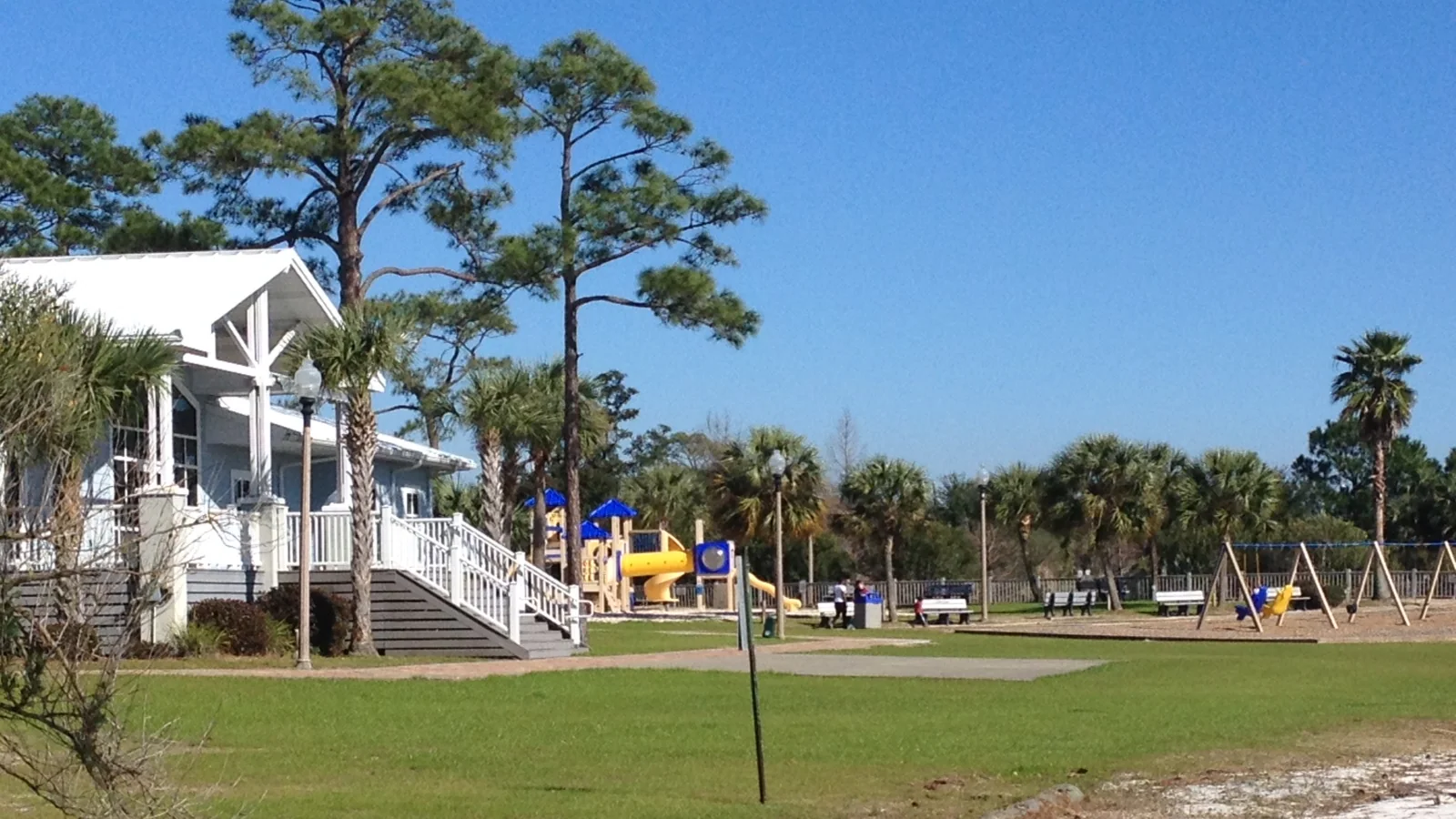
Judge a Panhandle lawn by exposure, not by a coastal or inland ZIP code. Map wind-driven salt, direct sun, deep shade, traffic, drainage, root-zone soil, and irrigation-water quality. St. Augustinegrass has comparatively good salt and shade tolerance but poor wear tolerance; bahiagrass and centipedegrass are poor salt choices. Once turf is established, irrigate a management zone only after drought signs appear and apply about one-half to three-quarters of an inch rather than giving every zone the same minutes.
A beachside yard can take salt on its windward edge and still hold water over compacted fill near the house. An inland yard can drain in minutes across open sand but stay soggy beside a driveway. Some properties contain both extremes, plus a shaded courtyard and a hot strip beside pavement. The label coastal or inland is too broad to manage any of those spots well.
Divide the yard into management zones. For each one, record salt exposure, direct light, traffic, grade, root-zone soil, water source, and the amount of upkeep the owner actually wants. Choose turf and maintenance for the hardest condition in that zone. A countywide recipe cannot see a fence that blocks salt spray or a downspout that floods one corner.
Map Exposure Instead of Drawing a Coastal Line
Salt exposure depends on wind direction, barriers, elevation, and proximity to open water. A protected yard near the coast can receive less direct spray than an exposed site farther away. Look for patterns on windward edges, along road spray zones, and beside irrigation that may use saline water. If saltwater intrusion or irrigation-water quality is plausible, testing is more useful than assuming the grass lacks fertilizer.
Also map sun and air movement. Open coastal sites often receive intense sun and drying wind, while homes, fences, and mature trees can create shaded pockets with slower drying. No turf performs well in deep shade. St. Augustinegrass and some zoysiagrass cultivars have comparatively better shade tolerance; bermudagrass performs poorly as shade deepens.
- Windward versus sheltered edges
- Hours and intensity of direct sun
- Foot, pet, and vehicle traffic
- Standing water versus rapid drying
- Sprinkler-water quality and overspray
Match Grass to Salt, Traffic, and Maintenance
UF/IFAS comparisons describe St. Augustinegrass as relatively strong for salt and shade tolerance, depending on cultivar, but weak under heavy wear. Bahiagrass survives drought well and fits acidic sandy sites, yet has very poor salt tolerance and limited wear performance. Centipedegrass is highly relevant in the Panhandle and favors lower fertility, but it is also poorly suited to salt exposure and repeated traffic.
Bermudagrass handles sun, drought, and wear well but performs poorly in shade and often demands more frequent, lower mowing. Zoysiagrass can provide good wear and drought tolerance, with shade and mowing characteristics that vary by cultivar. There is no overall winner: an exposed rental walkway, a shaded home lawn, and a low-input inland acre are different design problems.
Choose grass from the site's limiting condition. Turf that tolerates salt but fails under traffic, or survives drought but cannot handle shade, is still a poor fit.
Do Not Assume Every Panhandle Soil Drains the Same
Sandy native soil often drains quickly and stores less water, which makes deep, need-based irrigation more useful than frequent light sprinkling. Yet developed lots may contain compacted fill, a buried hard layer, altered grade, or construction traffic. Those conditions can produce runoff and standing water even where the surrounding landscape is sandy. Observe the root zone rather than choosing a schedule from the county name.
Soil testing is especially useful when the question involves pH, salinity, or lime requirement. Centipedegrass and bahiagrass prefer more acidic conditions than St. Augustinegrass and zoysiagrass, so adding lime merely because grass is yellow can move the soil away from a suitable range. Yellowing can also reflect wet roots, cold soil, disease, or irrigation-water quality.
Adjust Watering to Each Management Zone
Established turf should be watered when blades fold, color shifts blue-gray, or footprints linger after the surrounding grass springs back. Apply about one-half to three-quarters of an inch early in the morning, then wait for those signs to return. A wind-exposed coastal strip may reach that point before a shaded interior corner. Giving both zones the same number of minutes can leave one dry and the other chronically wet.
Use catch cans to compare irrigation output, repair tilted or blocked heads, and separate turf from shrub zones where possible. Let rainfall replace irrigation. For schedule restrictions, verify the actual municipality, utility, and Northwest Florida Water Management District status before advising a day because unincorporated county guidance does not automatically govern a city address.
- Group areas with similar sun, soil, and plant needs.
- Measure output rather than estimating by minutes.
- Fix runoff and overspray before extending run time.
- Recheck controller settings as seasons change.
Build a Site-Specific Maintenance Plan
Set mowing height by species and cultivar. Standard St. Augustinegrass is usually kept at 3.5 to 4 inches, centipedegrass at 1.5 to 2 inches, bahiagrass at 3 to 4 inches, and common coarse zoysiagrass at 2 to 2.5 inches. Bermudagrass can be maintained lower, but a fine, low surface may need equipment and frequency beyond what a homeowner expects.
Use the same site logic for fertility and problem solving. Centipedegrass does not benefit from being managed like high-input bermudagrass. A salt-exposed edge should not be diagnosed from color alone, and deep shade should not be fought with more water and fertilizer. Review the plan after storms, tree growth, grading, irrigation changes, or shifts in traffic because the limiting condition can change.
Common questions
Frequently asked questions
What is the best grass for a lawn near the Emerald Coast?
There is no single best grass. St. Augustinegrass has comparatively good salt tolerance, while sun, shade, wear, soil, water quality, and desired maintenance may favor another option. Evaluate the site's strongest stress before choosing.
Is bahiagrass a good low-maintenance coastal grass?
Bahiagrass can suit acidic sandy sites and survives drought well, but UF/IFAS rates its salt tolerance as very poor. It may fit a protected inland property better than an area receiving direct salt spray.
Do inland lawns always need more irrigation than coastal lawns?
No. Water need depends on rain, sun, wind, soil, roots, grass, and irrigation uniformity. Watch the turf for drought signals and measure system output rather than assigning a schedule based only on distance from the coast.
Sources and local guidance
This educational guide was prepared using the primary resources below. Product labels and current local rules always take priority.
- Selecting a Turfgrass for Florida Lawns (UF/IFAS Extension)
- Watering Your Florida Lawn (UF/IFAS Extension)
- Soil Testing and Interpretation for Florida Turfgrasses (UF/IFAS Extension)
- Florida-Friendly Landscaping Nine Principles (UF/IFAS Florida-Friendly Landscaping Program)
Keep reading
Related lawn care guides
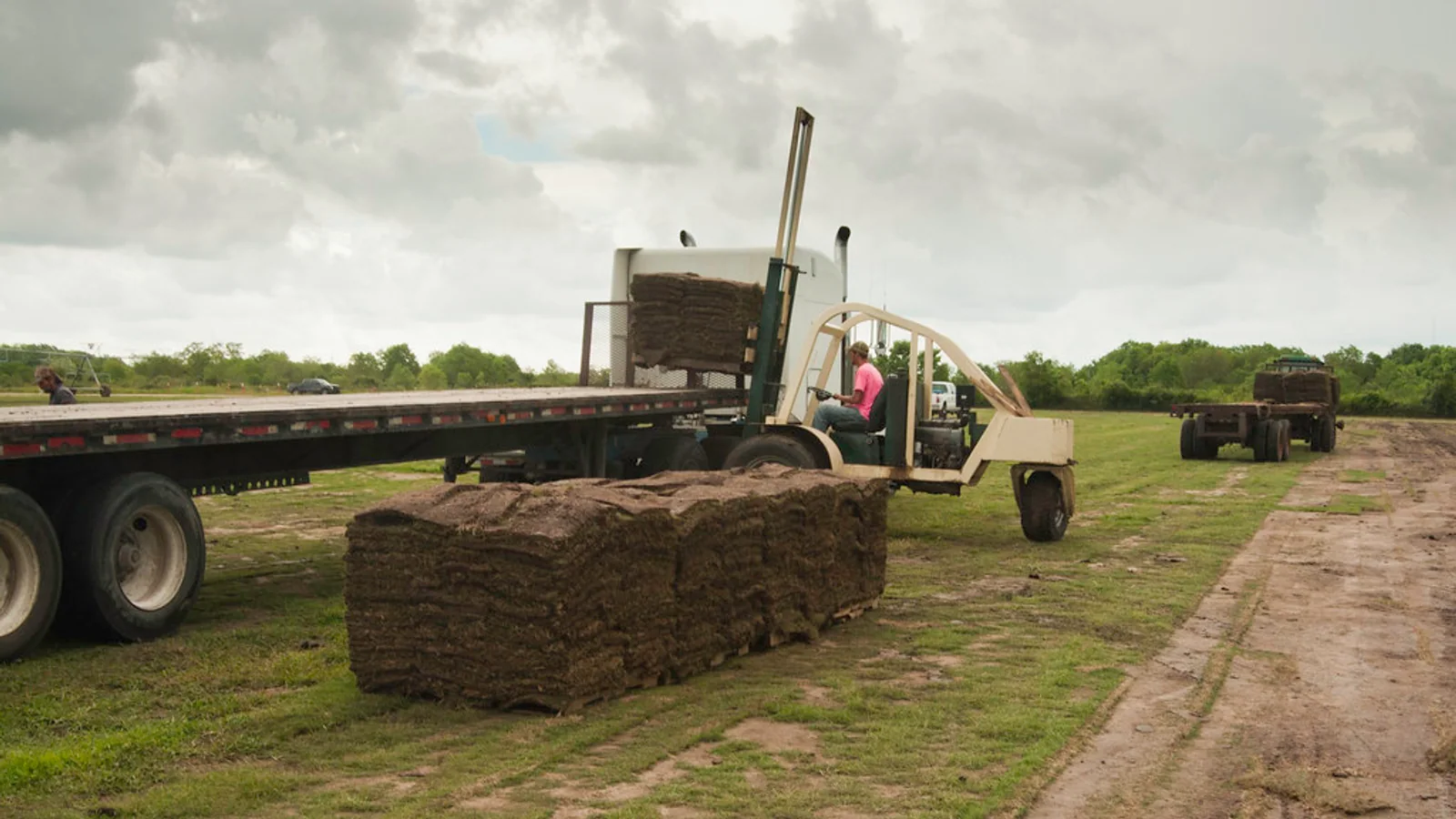
Best Grass for Florida Panhandle Yards
The best grass for an Okaloosa or Walton County yard depends on sunlight, soil, salt exposure, foot traffic, appearance goals, and maintenance capacity.
Read the guide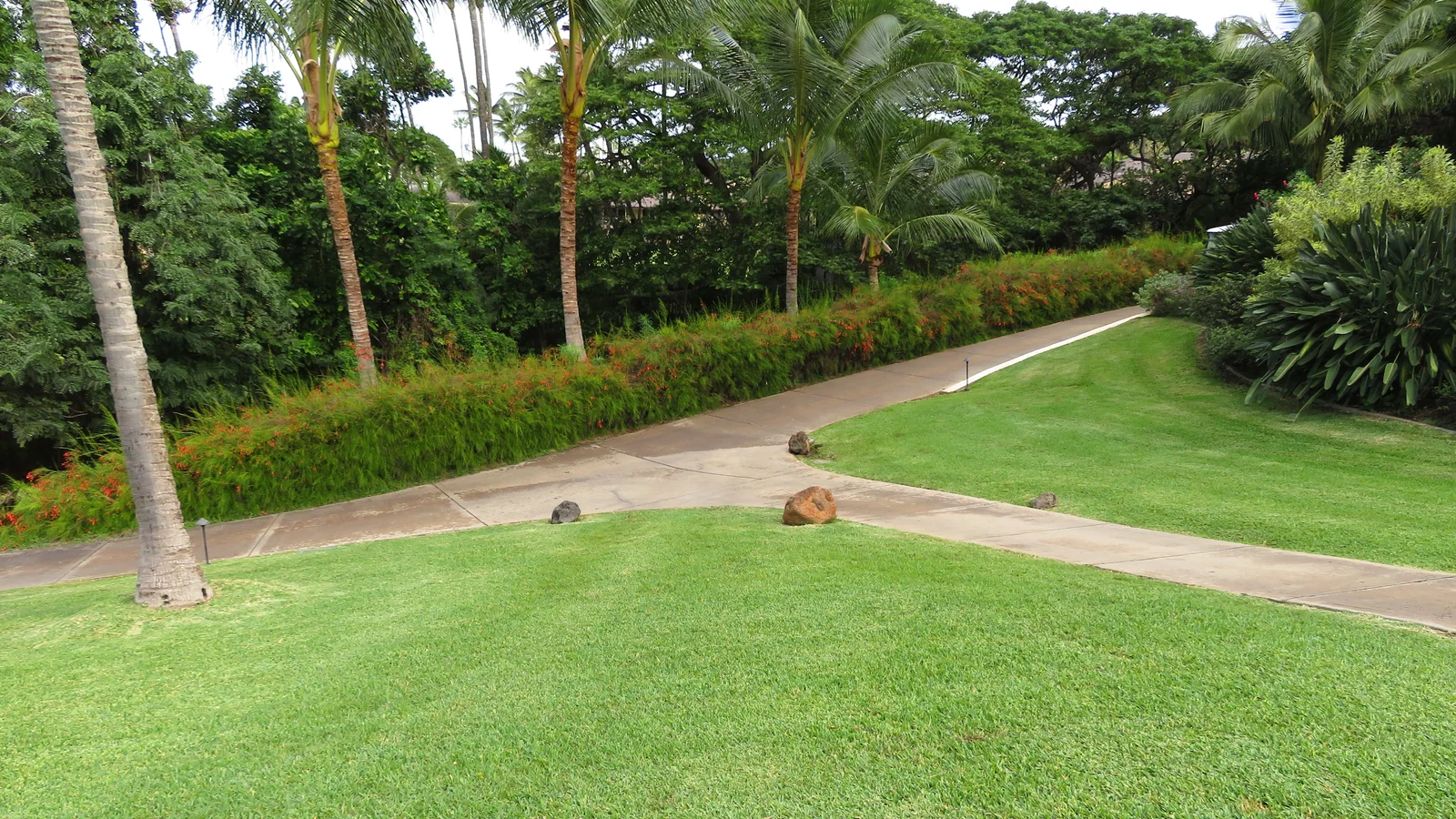
St. Augustinegrass Care in Northwest Florida
Healthy St. Augustinegrass starts with the right cultivar, a higher mowing cut, irrigation based on drought signs, and careful diagnosis of brown areas.
Read the guide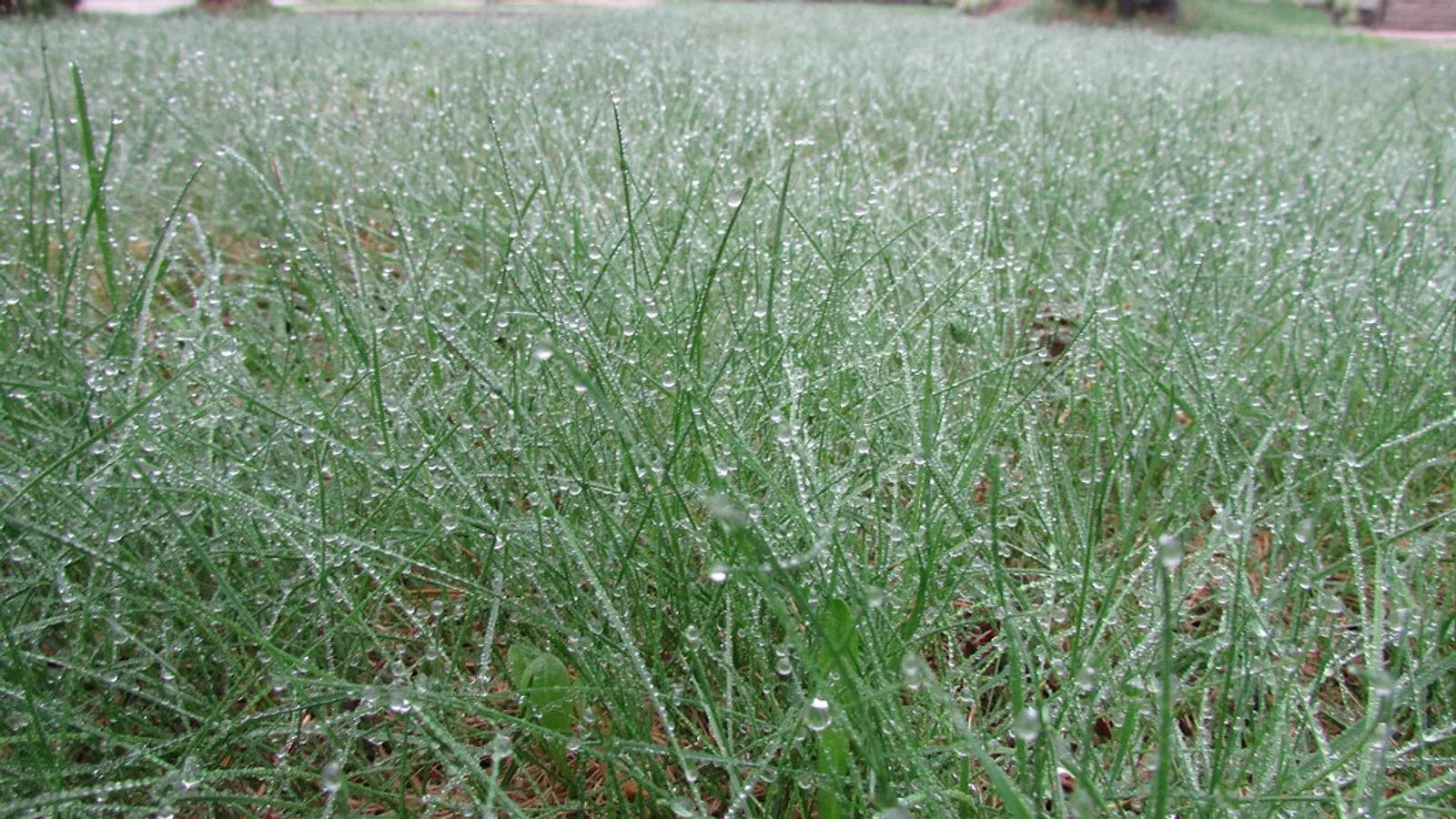
Rainy-Season Lawn Care Tips for Florida Panhandle Yards
Frequent rain changes mowing, irrigation, disease pressure, and cleanup. Learn how to respond without assuming every wet lawn needs the same fix.
Read the guideLocal lawn care
Need help with your Okaloosa or Walton County lawn?
Ask about lawn mowing, yard cleanup, tree and shrub trimming, bed maintenance, weed control, mulching, or debris removal. Service and address availability must be confirmed.