
Water & Soil
7 Signs You May Be Overwatering Your Florida Lawn
Soggy soil is only one clue. Learn how to investigate persistent moisture, weeds, runoff, weak roots, and recurring lawn trouble before changing irrigation.
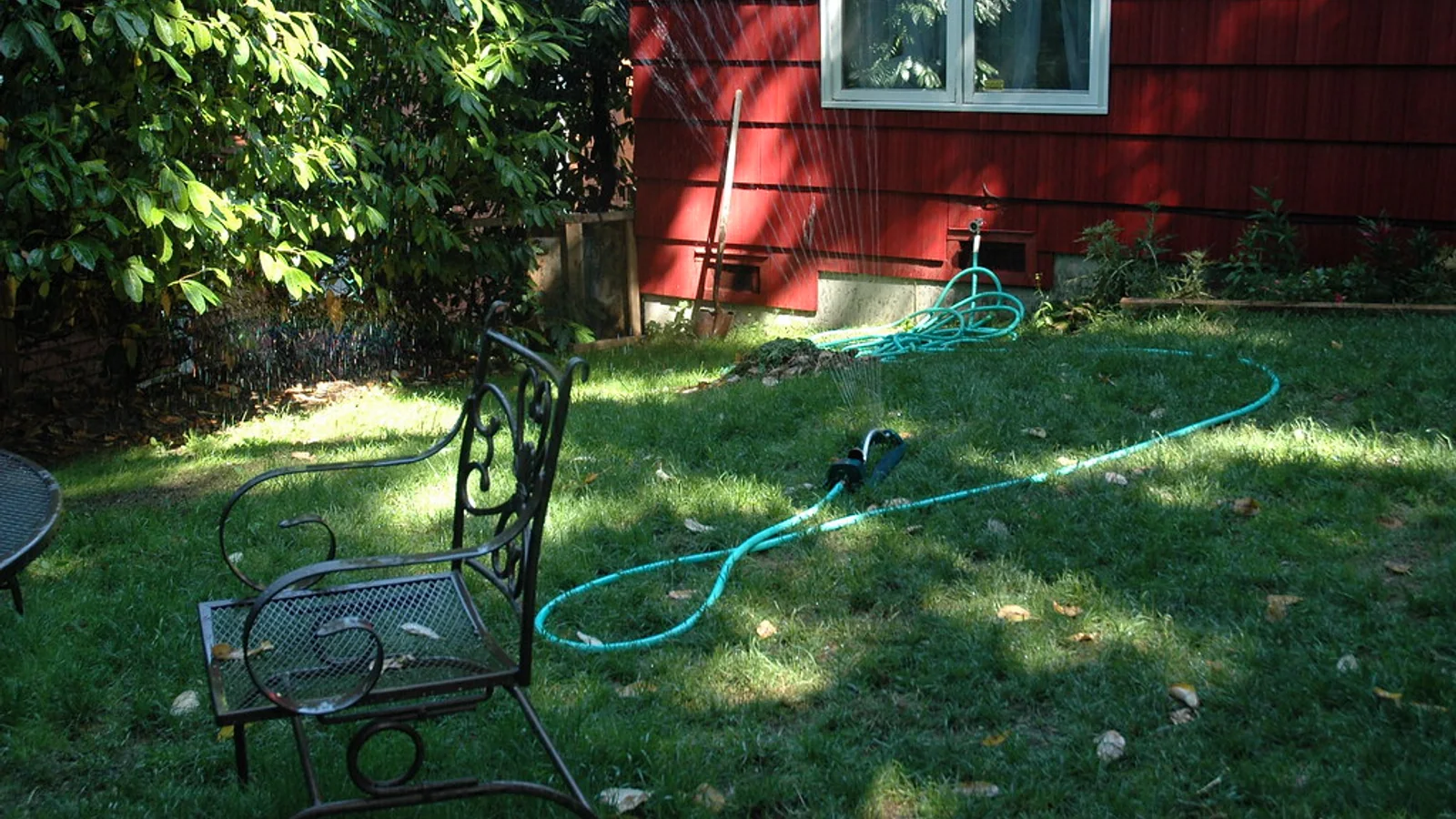
Suspect excess water when the root zone stays saturated, runoff leaves the lawn, or wet-area weeds and algae repeatedly line up with the same zone. Confirm it before changing the controller: check recorded rain, run a 15-minute catch-can test, and compare soil and roots in the wet area with healthy turf. An established lawn normally receives 1/2 to 3/4 inch only after drought signals appear. The repair depends on the source, which may be too many cycles, uneven heads, a leaking valve, roof runoff, compacted fill, or low grade.
More water is not a lawn-care upgrade. In the Panhandle, an automatic sprinkler can run on top of summer rain even though the grass never showed drought stress. Frequent surface watering keeps roots near the top of the soil. The lawn may look lush for a while, then wilt quickly when hot wind arrives or one irrigation cycle is missed.
Overwatering is also easy to misdiagnose. Dollarweed can favor wet conditions, but its presence does not measure sprinkler output. Mushrooms can follow organic matter and humidity, and a brown patch may have several causes. Instead of choosing a symptom and jumping to a treatment, gather evidence from the controller, catch cans, rainfall, soil, roots, and the pattern across the property. That process tells you whether water is actually the problem and where it originates.
Seven clues that justify a closer look
The most useful clues show a repeated moisture pattern rather than a single rainy afternoon. Soil that remains saturated for days, irrigation water flowing into the street, or a zone that squishes underfoot long after neighboring areas dry deserves investigation. Compare full sun with shade and high areas with low areas. A shaded side yard naturally dries more slowly, so it should not necessarily share the same frequency as an exposed front lawn.
Plant responses can add context. UF/IFAS links excessive irrigation with shallow rooting, nutrient loss, thatch, weeds such as dollarweed and sedges, and greater pressure from certain diseases. Weak turf may pull up easily if roots have declined, but root loss can have other causes too. Treat the following list as an inspection prompt, not a seven-item diagnostic test.
- Soil remains wet or spongy well after irrigation or rain.
- Water ponds, runs down pavement, or reaches a storm drain.
- Algae or persistent surface slime develops in damp, thin areas.
- Dollarweed or sedges become common where moisture stays high.
- Roots appear short or weak when compared with healthy turf.
- The lawn produces soft growth but wilts quickly when watering pauses.
- Similar disease-like patches return during prolonged wet conditions.
Confirm the water source before changing everything
Start with evidence you can collect in one morning. Read the rain gauge, review when each zone ran, and confirm that the rain shutoff actually stopped a cycle after a storm. Then place straight-sided cans across the suspected zone and run it for 15 minutes. If one side catches much more than the other, the problem is distribution. Adding minutes to rescue the dry side will only make the wet side wetter.
Inspect for non-schedule causes as well. A leaking valve may allow a low head to seep between cycles. A downspout can concentrate roof runoff in one corner. Compacted fill may prevent water from entering the soil, while a low spot can collect water from surrounding grades. If only one small area remains wet when the irrigation system is off, reducing every zone's schedule will not correct the underlying leak or drainage path.
Turn off unnecessary irrigation while investigating, but do not assume every brown area needs less water. Measure moisture and coverage on both affected and healthy turf.
Separate excess water from look-alike problems
A drought-stressed lawn may be brown, but so can turf affected by scalping, insects, disease, dormancy, herbicide injury, salt, or root damage. Overwatered turf can also decline and turn brown, which makes color a poor stand-alone test. Look for boundaries and timing. Does the pattern follow a sprinkler arc, a roof discharge, a tire track, or a shaded low area? Did it appear after repeated rain, after mowing, or after a dry spell?
Roots and soil provide more evidence. Compare a small plug from the edge of an affected area with a healthy location, taking care around underground utilities. Note moisture, rooting depth, smell, thatch, and whether insects are actually present. If disease or pests remain possible, use UF/IFAS Extension or a qualified professional for identification. Applying a fungicide, insecticide, or herbicide without identifying the target can waste money and add stress.
Correct the cause in a controlled order
If the schedule is running without plant need, switch to an observation-based program. Wait for folding blades, a blue-gray cast, or lingering footprints, then apply a measured root-zone irrigation. Suspend cycles after adequate rain and reduce frequency as growth slows. Correct clogged or mismatched heads so one dry area does not dictate excessive run time for an entire zone. Keep ornamental beds and turf on separate zones where practical.
If water cannot enter or leave the site properly, scheduling alone may not be enough. Redirect a downspout to an appropriate legal outlet, repair leaks, relieve verified compaction with the correct method, or seek drainage advice for grading and persistent standing water. Avoid driving heavy equipment over saturated turf because it can deepen compaction and rutting. Do not send water, soil, or yard debris into streets, neighboring property, or stormwater structures.
- Pause cycles supplied by adequate rainfall.
- Repair leaks, blocked heads, and uneven distribution.
- Match irrigation frequency to sun, shade, soil, and turf need.
- Address concentrated roof runoff and verified compaction.
- Escalate persistent drainage, pest, or disease questions appropriately.
Prevent the same pattern from returning
Recheck the controller at each seasonal change. A schedule created during a dry spring can be excessive once humid summer storms become regular, and a summer program rarely belongs in a cool Panhandle winter. Test the rain or soil-moisture shutoff, clean nozzles, observe each zone while it operates, and recalibrate after repairs. A small rain gauge and a short irrigation log make these checks objective.
Maintain the turf in ways that support roots. Mow at the height for the actual grass species, remove no more than one-third of the blade, and avoid creating lush growth through unsupported treatments. Healthy density helps limit weeds, but no maintenance practice can overcome chronic saturation. When wet conditions persist despite measured, need-based irrigation, focus on the site and obtain a reliable diagnosis rather than repeatedly treating symptoms.
Before programming watering days, check current requirements for the exact address with the municipality or county jurisdiction, utility, Northwest Florida Water Management District, and HOA.
Common questions
Frequently asked questions
Can an overwatered lawn still look dry or brown?
Yes. Chronic excess moisture can weaken roots and increase disease pressure, leaving turf unable to function normally. Brown color alone cannot separate overwatering from drought, insects, disease, dormancy, scalping, or injury. Check soil moisture, roots, recent irrigation and rain, catch-can measurements, and the pattern before deciding what the lawn needs.
Should I stop watering completely if I see dollarweed?
Not automatically. Dollarweed often thrives where moisture is high, so it is a reason to inspect irrigation and drainage, not proof that all watering should stop. Established turf still needs water during genuine drought stress. Measure output, account for rain, repair wet areas, identify the weed, and follow any product label if a control is considered.
How long should soil stay wet after irrigation?
There is no universal number because soil texture, compaction, shade, temperature, roots, and applied depth differ. The root zone should be wetted, then allowed to move toward drier conditions before the next irrigation. Soil that remains saturated, produces runoff, or squishes for an extended period deserves a system and drainage check.
Sources and local guidance
This educational guide was prepared using the primary resources below. Product labels and current local rules always take priority.
- Watering Your Florida Lawn (University of Florida IFAS Extension)
- Improving Turfgrass Health: Proper Irrigation Techniques (University of Florida IFAS Extension)
- Weed Management Guide for Florida Lawns (University of Florida IFAS Extension)
Keep reading
Related lawn care guides
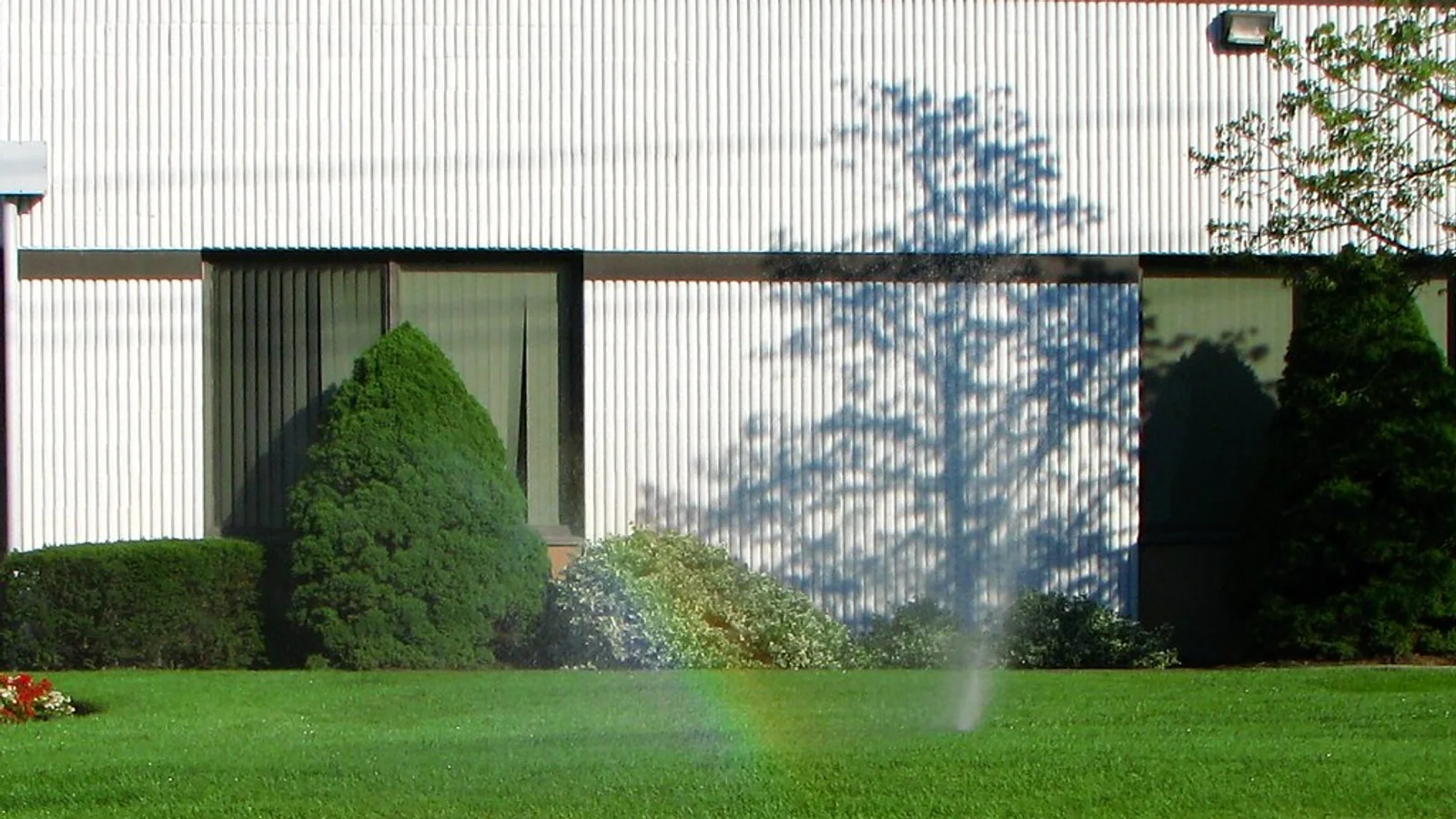
How Often Should You Water a Lawn in Northwest Florida?
A practical guide to reading drought signals, watering the root zone, accounting for Panhandle rain, and checking the rules for your address.
Read the guide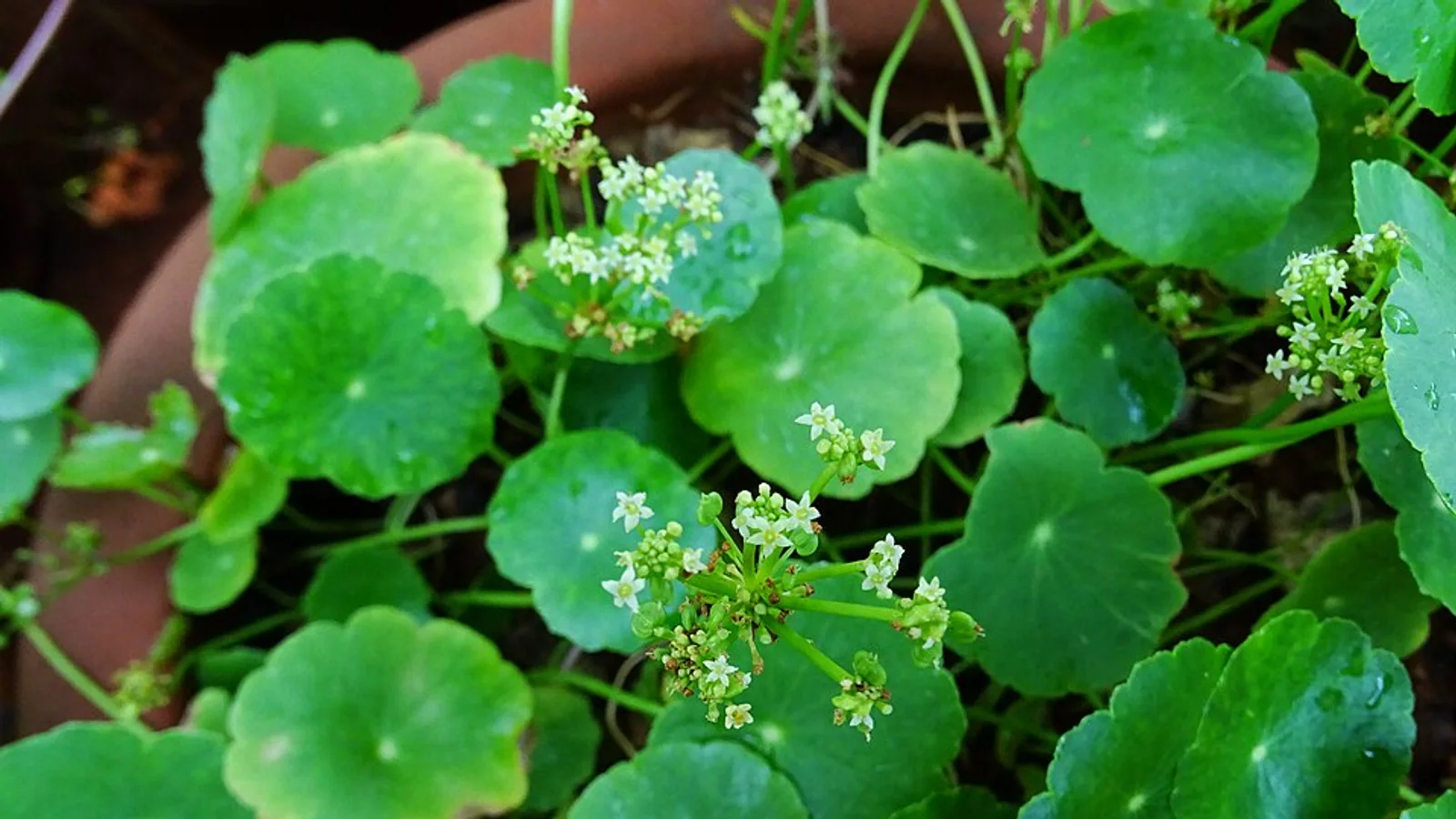
Dollarweed in Your Lawn? Fix the Conditions First
Dollarweed often flourishes in damp areas, but spraying the leaf does not repair a leak, low spot, compacted soil, or excessive irrigation schedule.
Read the guide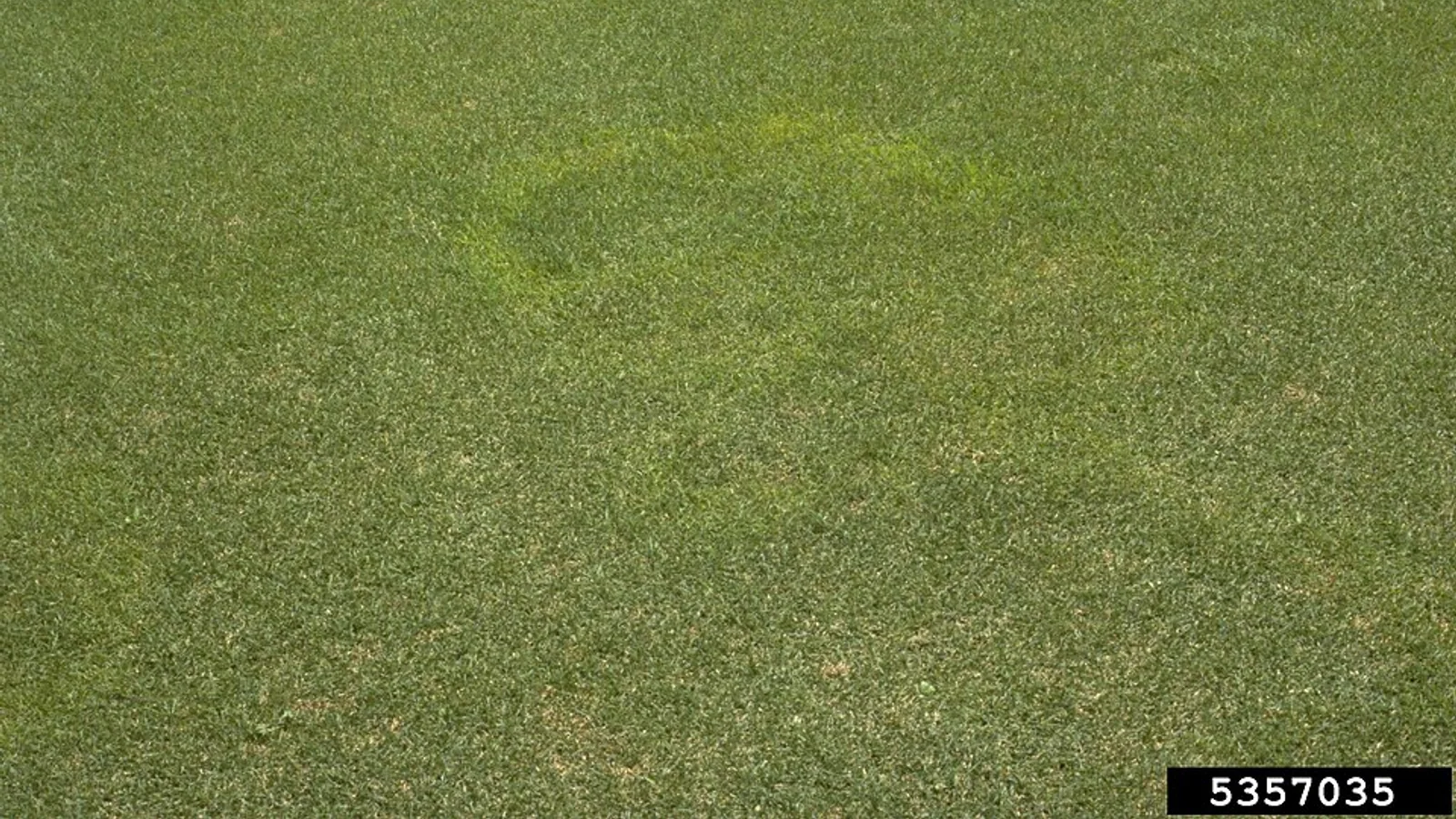
Brown Spots in a Florida Lawn: What Should You Check?
Brown patches can come from drought, irrigation gaps, mowing, dormancy, insects, disease, roots, or injury. Follow the evidence before treating.
Read the guideLocal lawn care
Need help with your Okaloosa or Walton County lawn?
Ask about lawn mowing, yard cleanup, tree and shrub trimming, bed maintenance, weed control, mulching, or debris removal. Service and address availability must be confirmed.