
Water & Soil
How Often Should You Water a Lawn in Northwest Florida?
A practical guide to reading drought signals, watering the root zone, accounting for Panhandle rain, and checking the rules for your address.
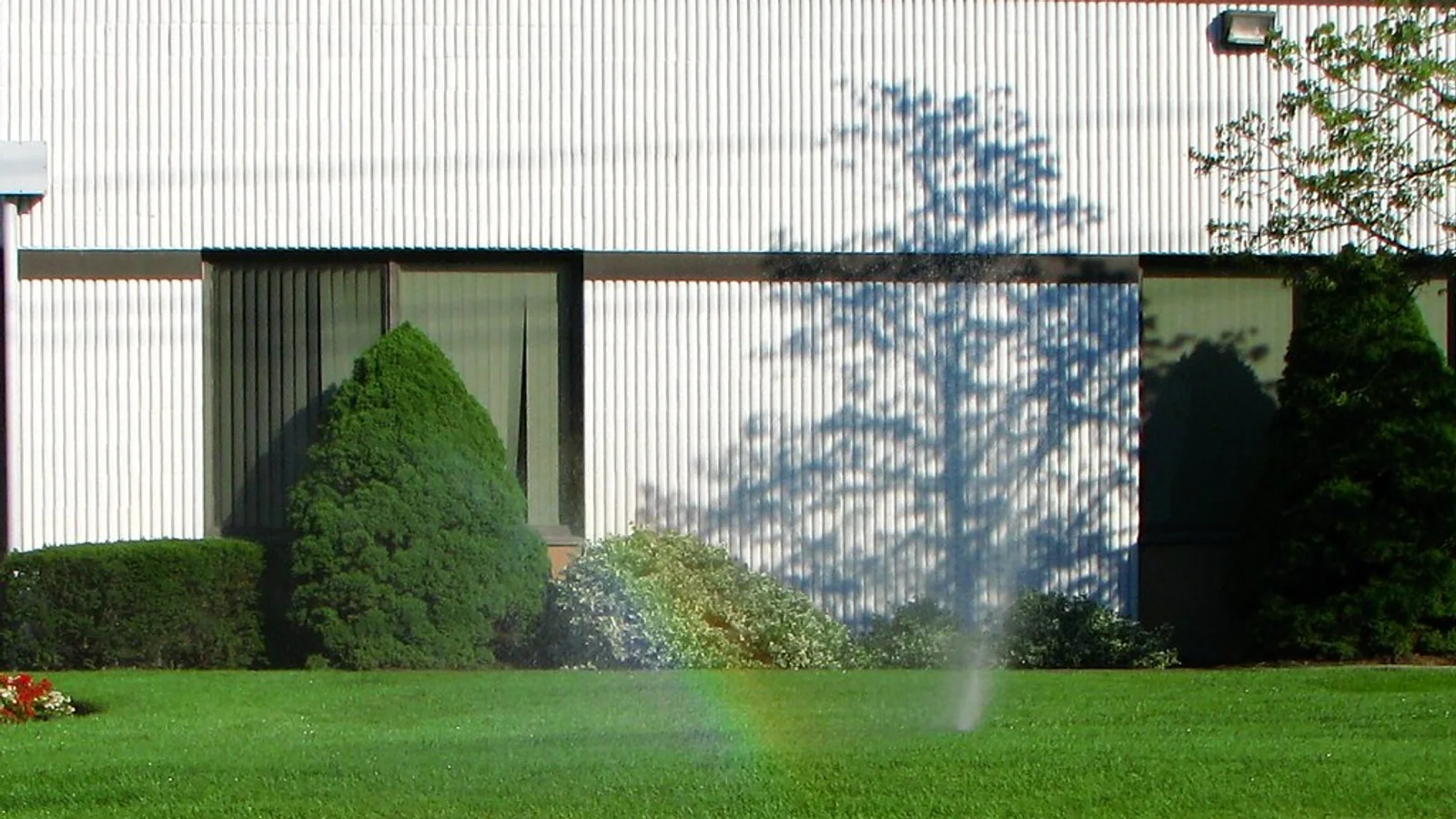
Skip the automatic every-other-day habit. Water an established Northwest Florida lawn when blades fold, the color turns blue-gray, or footprints stay visible, then apply 1/2 to 3/4 inch and wait for those signs to return. UF/IFAS no-rain estimates for St. Augustinegrass with 6-inch roots in Pensacola range from 1 to 5 days between summer irrigations and 8 to 28 days in winter. That wide range is the point: weather, roots, shade, soil, and rain set the interval, while current rules for the address set when irrigation is allowed.
If someone gives every Panhandle lawn the same watering interval, they are skipping the diagnosis. A sunny bermudagrass yard on fast-draining sand does not behave like shaded St. Augustinegrass over compacted fill. Hot, windy weather can shorten the interval, while one well-placed thunderstorm may cancel the next cycle. The grass, the root zone, and a rain gauge tell you more than the day printed on a controller.
The better goal is to water deeply enough to support roots, but only when the lawn needs it. That approach reduces wasted water and avoids the shallow roots, weeds, nutrient loss, and disease pressure associated with frequent irrigation. It also makes the system easier to adjust through spring green-up, the humid rainy season, fall slowdown, and winter dormancy. The steps below apply to established turf; new sod follows a separate establishment schedule while roots develop.
Let the grass signal when it is thirsty
Walk the lawn before turning on a sprinkler. Drought-stressed grass usually changes before it turns brown: blades fold lengthwise, the color shifts toward blue-gray, and footprints or mower tracks stay pressed down. Check several representative areas, not just the hottest strip beside the driveway. If only that strip is stressed, inspect its sprinkler coverage instead of watering every zone for one local problem.
Do not use color alone as a diagnosis. Yellowing or brown turf can also result from dormancy, scalping, insects, root disease, excess water, irrigation coverage gaps, or another stress. Look at soil moisture and recent weather along with the blades. If only one sharp-edged area is declining while the rest of the zone looks healthy, test sprinkler coverage before increasing the schedule for the entire lawn.
- Blades fold or roll during the day.
- The lawn develops a dull blue-gray cast.
- Footprints remain after you walk across the turf.
- Dry symptoms appear across a zone rather than in one isolated damaged patch.
Water the root zone instead of wetting the surface
For an established Florida lawn, UF/IFAS guidance commonly uses 1/2 to 3/4 inch per irrigation event as a starting depth. The purpose is to moisten roughly the upper several inches where most turf roots are active, not to keep the surface continuously damp. A catch-can test is the dependable way to learn how long each irrigation zone takes to deliver that depth because pressure, head type, spacing, and wind make timer minutes unreliable by themselves.
Light, frequent irrigation encourages roots to remain near the surface, where heat and dry wind affect them first. It may also maintain the moisture conditions favored by dollarweed, sedges, thatch, and some diseases. At the other extreme, water that runs down a driveway is not reaching deeper roots. If runoff begins before the target amount is applied, the site may need shorter cycles separated by soak time, a repaired system, or correction of compacted soil rather than a larger total.
Measure sprinkler output instead of copying another yard's run time. Two zones on the same property can need different minutes to deliver the same depth.
Account for rain, season, turf, and shade
Northwest Florida weather can change the interval quickly. During a dry, sunny stretch, drought signals may return sooner. During the summer rainy season, irrigation may be unnecessary for days or longer after adequate rainfall. A rain gauge is more useful than guessing from a wet driveway, and a functioning rain or soil-moisture shutoff can prevent an automatic system from running after a storm. Recheck the lawn rather than immediately restarting the previous program.
Turf type and site conditions matter too. Shade reduces evaporation and usually lowers water demand, so a shaded zone should not automatically run as long or as often as full sun. Sandy areas may drain rapidly, while compacted construction fill can shed water or remain saturated even in a region known for sand. Warm-season grasses also slow or become dormant in cool weather. Continuing a midsummer schedule into a Panhandle winter wastes water and may keep the root zone too wet.
Check the current rules for the service address
Okaloosa and Walton Counties are within the Northwest Florida Water Management District, but that fact does not create one permanent watering schedule for every property. District conservation notices can change, and a municipality, utility, emergency order, or homeowners association may add separate requirements. An address in unincorporated county territory may also be governed differently from an address inside a city. Do not borrow an odd-even schedule from another Florida county.
Before changing an automatic timer, check the current District notices and the pages for the property's water utility and local government. Recheck during drought declarations or repairs because temporary rules may differ from ordinary conditions. Rules define when irrigation is allowed; they do not mean the lawn needs water on every permitted day. Skip a permitted cycle when rain has supplied enough moisture or the turf has not shown drought stress.
Local-rule check: confirm the municipality or unincorporated area, water utility, Northwest Florida Water Management District status, and any HOA requirements for the exact address.
Build a simple observation-based routine
Start by switching the controller from habit to observation. Note rainfall, inspect the turf in the morning, and record how long drought signals take to return after a measured irrigation. Calibrate each turf zone, repair tilted or clogged heads, and keep shrub beds on separate zones where possible. Water in the early morning so less is lost to daytime evaporation without extending leaf wetness unnecessarily overnight.
Review the program as growth and weather change rather than setting it once for the year. A healthy routine may include many skipped cycles in a rainy period and a different interval in a dry period. If the lawn stays wet, develops recurring patches, or declines even though measured water is reaching the root zone, stop adding minutes. The next useful step is to investigate drainage, roots, pests, disease, mowing injury, or soil conditions.
- Inspect for drought signals before each planned cycle.
- Track meaningful rainfall with a gauge.
- Calibrate zones and fix uneven coverage.
- Adjust the controller seasonally and after weather changes.
- Pause and diagnose when more water does not improve the lawn.
Common questions
Frequently asked questions
Should I water my Panhandle lawn every day in summer?
Established turf generally should not be watered every day merely because it is summer. Daily, shallow watering can encourage shallow roots and excessive moisture. Inspect for drought signals, measure recent rain, and apply a root-zone watering when it is actually needed. Newly installed sod is different and may need frequent short irrigation while it establishes, followed by a gradual transition to deeper, less frequent watering.
What is the best time of day to water a Florida lawn?
Early morning is generally preferred. Winds and evaporation are often lower than later in the day, and the grass can dry after sunrise. Avoid turning late-evening watering into a routine that keeps leaves wet for an extended period. Always follow any current time-of-day restrictions that apply to the property's municipality, utility, or water management district.
Does a watering restriction mean I should irrigate on every allowed day?
No. A restriction sets the legal window or maximum opportunity; it does not diagnose the lawn's moisture need. If adequate rain has fallen and the turf is not showing drought stress, skip irrigation. Confirm the current rule for the exact address because utility boundaries, municipalities, District orders, and temporary emergency conditions can differ.
Sources and local guidance
This educational guide was prepared using the primary resources below. Product labels and current local rules always take priority.
- Watering Your Florida Lawn (University of Florida IFAS Extension)
- Improving Turfgrass Health: Proper Irrigation Techniques (University of Florida IFAS Extension)
- District Remains in Rainfall Deficit Despite Recent Rain (Northwest Florida Water Management District)
Keep reading
Related lawn care guides
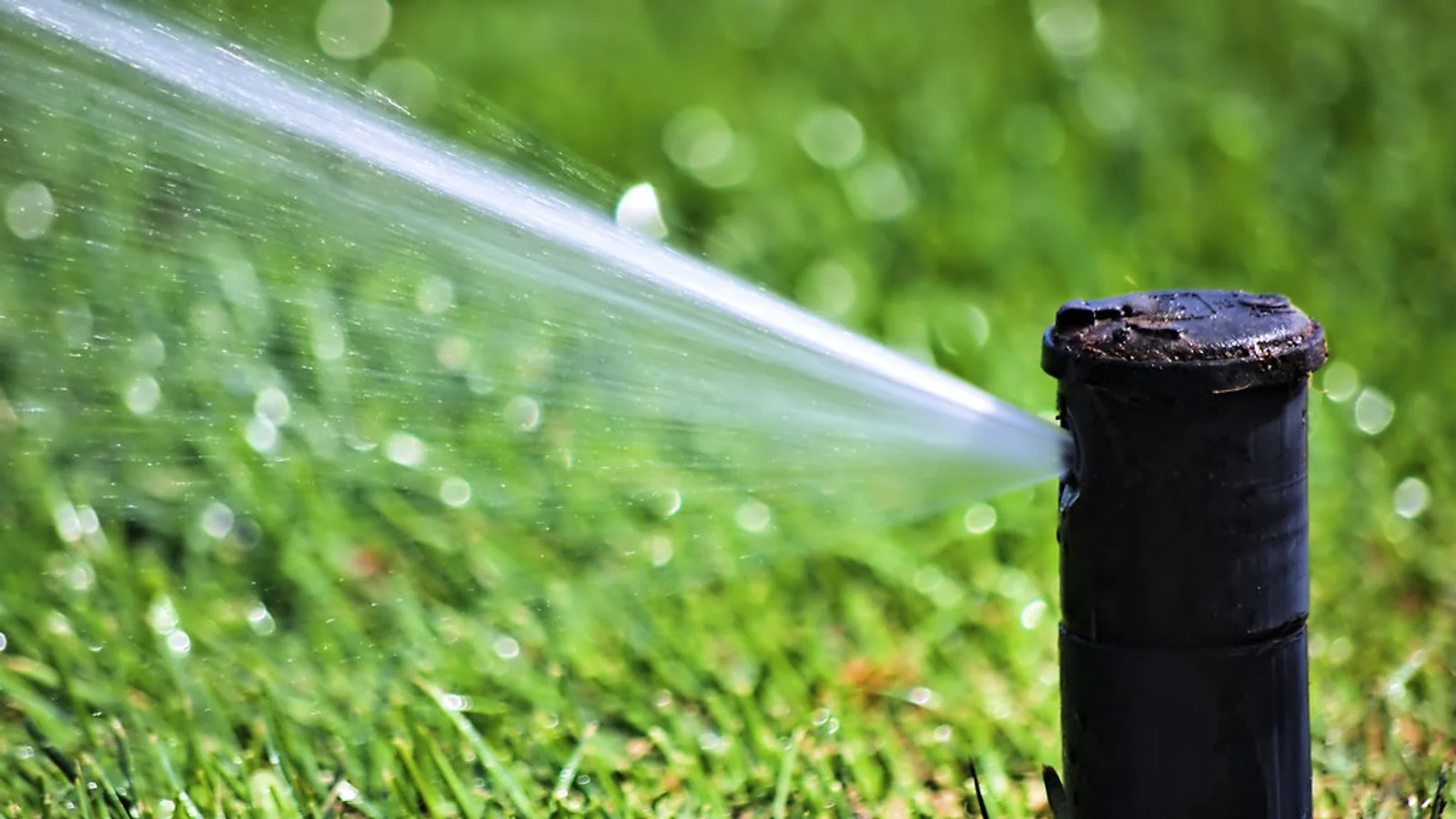
How to Calibrate Your Lawn Sprinklers with Catch Cans
Stop guessing at sprinkler minutes. This step-by-step catch-can test shows how much water each lawn zone applies and where coverage falls short.
Read the guide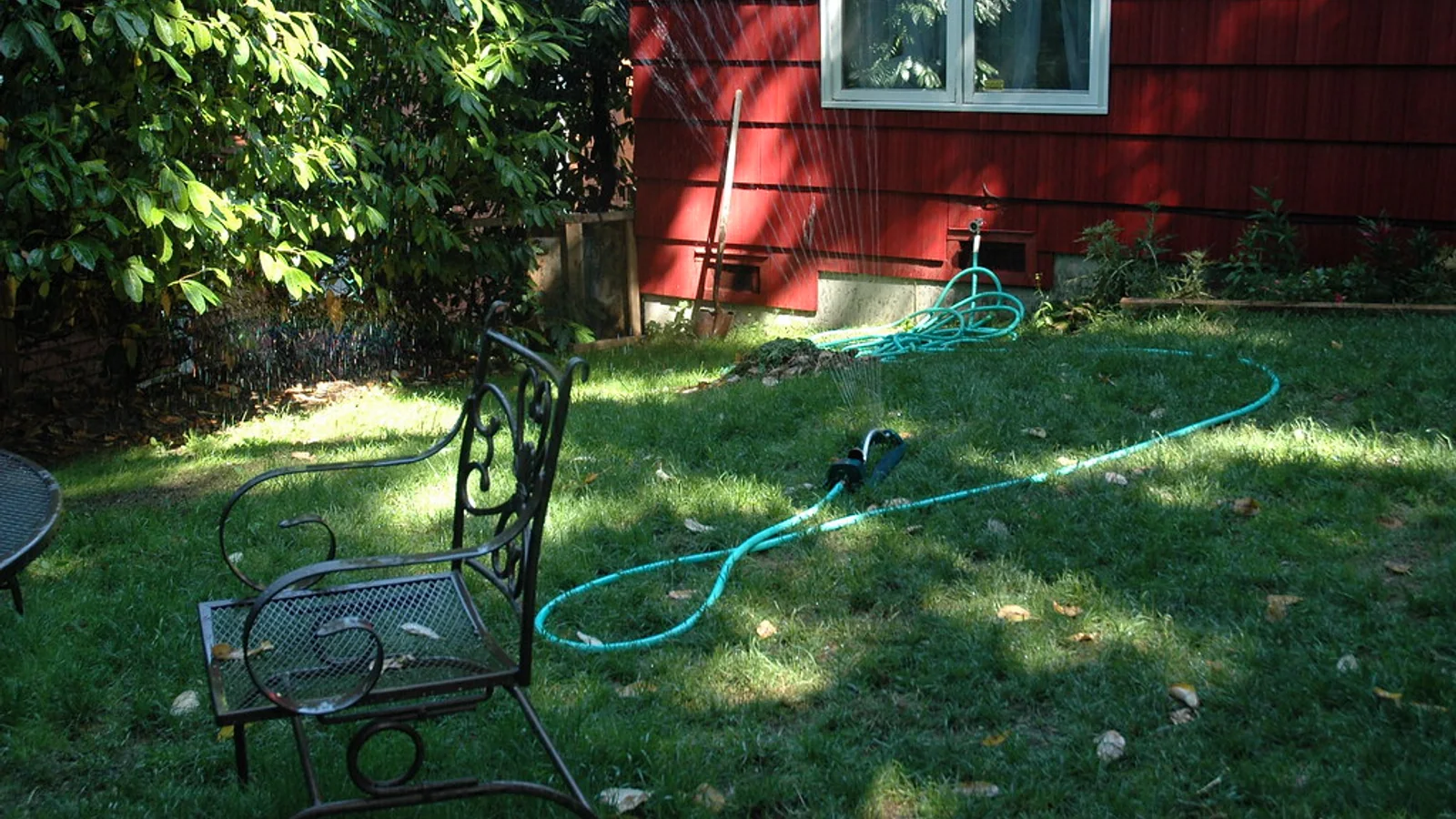
7 Signs You May Be Overwatering Your Florida Lawn
Soggy soil is only one clue. Learn how to investigate persistent moisture, weeds, runoff, weak roots, and recurring lawn trouble before changing irrigation.
Read the guide
Rainy-Season Lawn Care Tips for Florida Panhandle Yards
Frequent rain changes mowing, irrigation, disease pressure, and cleanup. Learn how to respond without assuming every wet lawn needs the same fix.
Read the guideLocal lawn care
Need help with your Okaloosa or Walton County lawn?
Ask about lawn mowing, yard cleanup, tree and shrub trimming, bed maintenance, weed control, mulching, or debris removal. Service and address availability must be confirmed.