
Weeds, Pests & Disease
Brown Spots in a Florida Lawn: What Should You Check?
Brown patches can come from drought, irrigation gaps, mowing, dormancy, insects, disease, roots, or injury. Follow the evidence before treating.
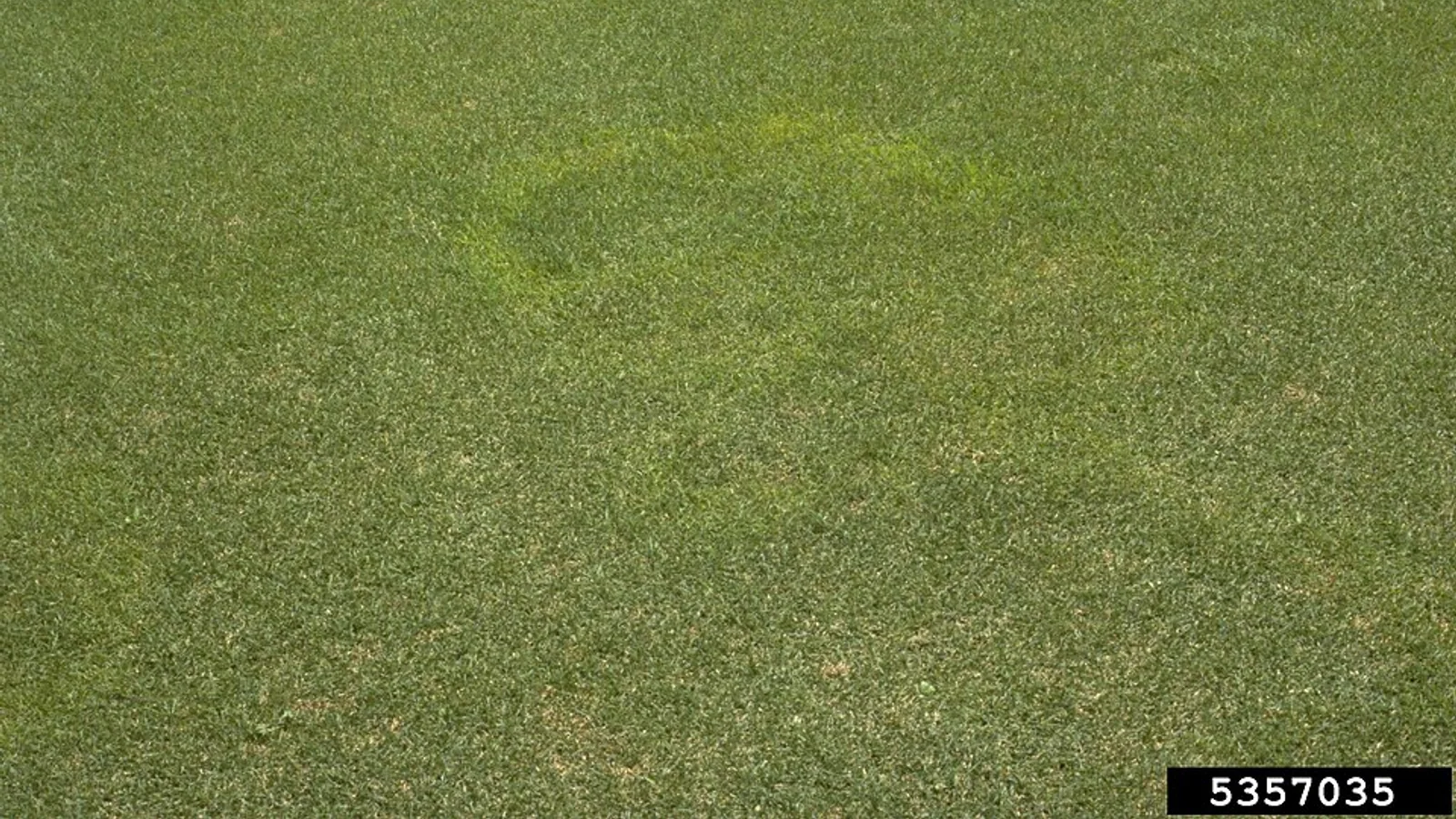
Treat a brown patch like a case file. Mark and measure its edge, identify the turf, test soil moisture and sprinkler output, and record weather, mowing, traffic, and recent applications. Inspect living tissue at the advancing margin, not only the dead center. Chinch bugs require confirmed insects, while fungal disease requires matching host, season, symptoms, and preferably a diagnostic sample. UF/IFAS advises submitting partially living, early-symptom material because dry, long-dead turf is poor diagnostic evidence.
Brown turf is a symptom, not a diagnosis. In an Okaloosa or Walton County yard, the cause might be a missed sprinkler arc, a saturated low spot after summer rain, a mower deck set too low, cold-weather dormancy, southern chinch bugs, large patch, take-all root rot, or another stress. Causes also stack. Weak roots make a dry area fail sooner, while repeated irrigation can increase disease pressure.
The useful question is not which brown-lawn photo looks most similar. It is what pattern, timing, plant tissue, and site evidence support. A structured investigation prevents the common cycle of adding water to disease, applying fungicide to drought, or treating insects that were never found. Begin at the living margin between healthy and affected turf, keep records, and change one verified cause at a time.
Document the pattern before it changes
Photograph the entire lawn, the patch boundary, and close details before mowing. Mark the edge and measure it so you can tell whether the area is expanding. Record when symptoms appeared, recent temperature and rainfall, which irrigation zone covers it, mowing date and height, traffic, storm or salt exposure, and any fertilizer or pesticide application. A straight line, sprinkler-shaped arc, tire track, or low basin supplies more diagnostic information than brown color.
Identify the turf species and, when relevant, cultivar. St. Augustinegrass, centipedegrass, bahiagrass, bermudagrass, and zoysiagrass differ in dormancy, mowing height, water response, pest associations, and product tolerance. Also note whether the area is sunny, shaded, beside pavement, under trees, or on compacted fill. Compare it with healthy turf of the same species rather than with a different grass elsewhere in the yard.
- Map the boundary, size, shape, and direction of spread.
- Record weather, irrigation, mowing, traffic, and recent applications.
- Identify turf species and relevant site differences.
- Photograph leaves, crowns, roots, thatch, and upper soil.
- Sample the active edge rather than only the dead center.
Check water in both directions
For possible drought, inspect for folded blades, a blue-gray cast, and footprints that remain. Probe soil moisture and run a catch-can test across the full irrigation zone. A low measurement that aligns with the patch supports a coverage problem; repair the obstruction, head, nozzle, or pressure issue rather than increasing minutes for already wet areas. Hot pavement edges and sunny slopes may dry before shaded turf but still require measured, not automatic, watering.
For possible excess water, look for saturated soil, runoff, algae, a low grade, downspout discharge, leaks, dollarweed, sedges, and weak roots. UF/IFAS associates waterlogged soil with root problems including Pythium and take-all root rot, but wet soil does not prove either disease. Reduce unnecessary irrigation and correct the source, then seek diagnosis if decline continues. Adding more water to brown turf without checking moisture can deepen the injury.
A brown patch can result from too little water or too much. Measure soil and sprinkler output before moving the controller in either direction.
Rule out mowing, traffic, dormancy, and injury
Mowing injury often follows the mower's path, a low deck setting, uneven ground, or one cut that removed far more than one-third of the blade. Look for shredded tips from a dull blade, exposed stems from scalping, ruts from mowing wet soil, and repeated string-trimmer injury along obstacles. Correct height for the identified turf, sharpen blades, and wait until ground conditions support the equipment. Recovery depends on living crowns and active growth.
Warm-season grasses can brown naturally during cool Panhandle weather. Uniform seasonal color change is different from an expanding patch, although winter injury can be uneven where exposure varies. Also review spills, deicing or pool water, salt exposure, pet concentration, and any recent fertilizer, herbicide, fungicide, or insecticide use. Product injury may follow an overlap, edge, or application path. Keep labels and application records for a qualified diagnosis.
Look for confirmed insects or disease evidence
Southern chinch bug is strongly associated with St. Augustinegrass, but yellow-brown St. Augustinegrass in sun is not enough to confirm it. Inspect lower stems, thatch, and the active edge for identifiable bugs. Mole crickets affect the root zone through tunneling and feeding, while caterpillars remove leaf tissue. In every case, collect or clearly document the organism and match active injury to the pattern before considering pest control.
Disease timing and tissue matter. UF/IFAS associates large patch most often with cooler months, roughly November through May, especially in St. Augustinegrass and zoysiagrass. Warm, rainy periods can favor gray leaf spot in St. Augustinegrass, while waterlogged conditions can contribute to root disease. These clues narrow the shortlist but do not prove a pathogen. If a sample is needed, collect partly green turf from the active margin, keep roots with field-moist soil, keep the paperwork separate, and contact the county Extension office before shipping.
- Chinch bug question: are identifiable insects present at lower stems near the active margin?
- Root-pest question: is there confirmed tunneling or feeding associated with weak roots?
- Leaf-disease question: are characteristic lesions present under matching weather conditions?
- Root-disease question: does a qualified examination support a pathogen rather than saturation alone?
- If evidence is missing, keep investigating instead of treating speculatively.
Choose the next action from the evidence
Correct straightforward physical causes first: repair irrigation distribution, pause unnecessary cycles after rain, raise an incorrect mowing height, sharpen blades, reduce traffic on wet soil, or redirect concentrated runoff appropriately. Photograph and measure the patch after the change. Avoid stacking fertilizer and several pesticides in response to uncertainty; multiple simultaneous treatments make the result harder to interpret and can further stress turf.
For unresolved or spreading damage, contact UF/IFAS Extension or a qualified turf, pest, or plant-diagnostic professional. Send the information that makes a diagnosis possible: turf identity, photos over time, irrigation measurements, mowing height, rainfall, and labels from recent applications. UF/IFAS asks for early-symptom material that is still partly alive, not a bag of dry dead grass. If a pesticide is recommended after diagnosis, the current label and required credentials still govern the work.
Diagnosis-first rule: no fungicide, insecticide, herbicide, fertilizer, or watering change should substitute for identifying the most likely cause with supporting evidence.
Common questions
Frequently asked questions
Can I identify a lawn disease from a photo of a brown patch?
A photo can document pattern and useful plant details, but it rarely proves a disease by itself. Drought, excess water, insects, roots, mowing, dormancy, and product injury overlap visually. Pair photos with turf identity, season, moisture, irrigation measurements, roots, leaves, maintenance history, and when necessary a diagnostic sample reviewed by Extension or a qualified professional.
Should I water a brown spot immediately?
First check soil moisture and sprinkler output. Water is appropriate when established turf shows drought need and the root zone is dry, but a saturated or diseased area can worsen with more irrigation. If one spot is dry because coverage is poor, repair that issue rather than overwatering the rest of the zone.
When should I call for help with a brown lawn?
Seek help when the patch spreads despite correcting an obvious cause, roots decline, pests cannot be confirmed, disease is suspected, salt or chemical injury is possible, or the site remains saturated. Contact UF/IFAS Extension or a qualified specialist before applying a pesticide. Share photos, dates, turf species, irrigation measurements, and recent maintenance records.
Sources and local guidance
This educational guide was prepared using the primary resources below. Product labels and current local rules always take priority.
- Watering Your Florida Lawn (University of Florida IFAS Extension)
- Improving Turfgrass Health: Proper Irrigation Techniques (University of Florida IFAS Extension)
- Homeowner's Guide to Fungicides for Lawn and Landscape Disease Management (University of Florida IFAS Extension)
- Southern Chinch Bug (University of Florida IFAS Extension)
- Sample Submission Guide for Plant Diagnostic Clinics (University of Florida IFAS Extension)
Keep reading
Related lawn care guides
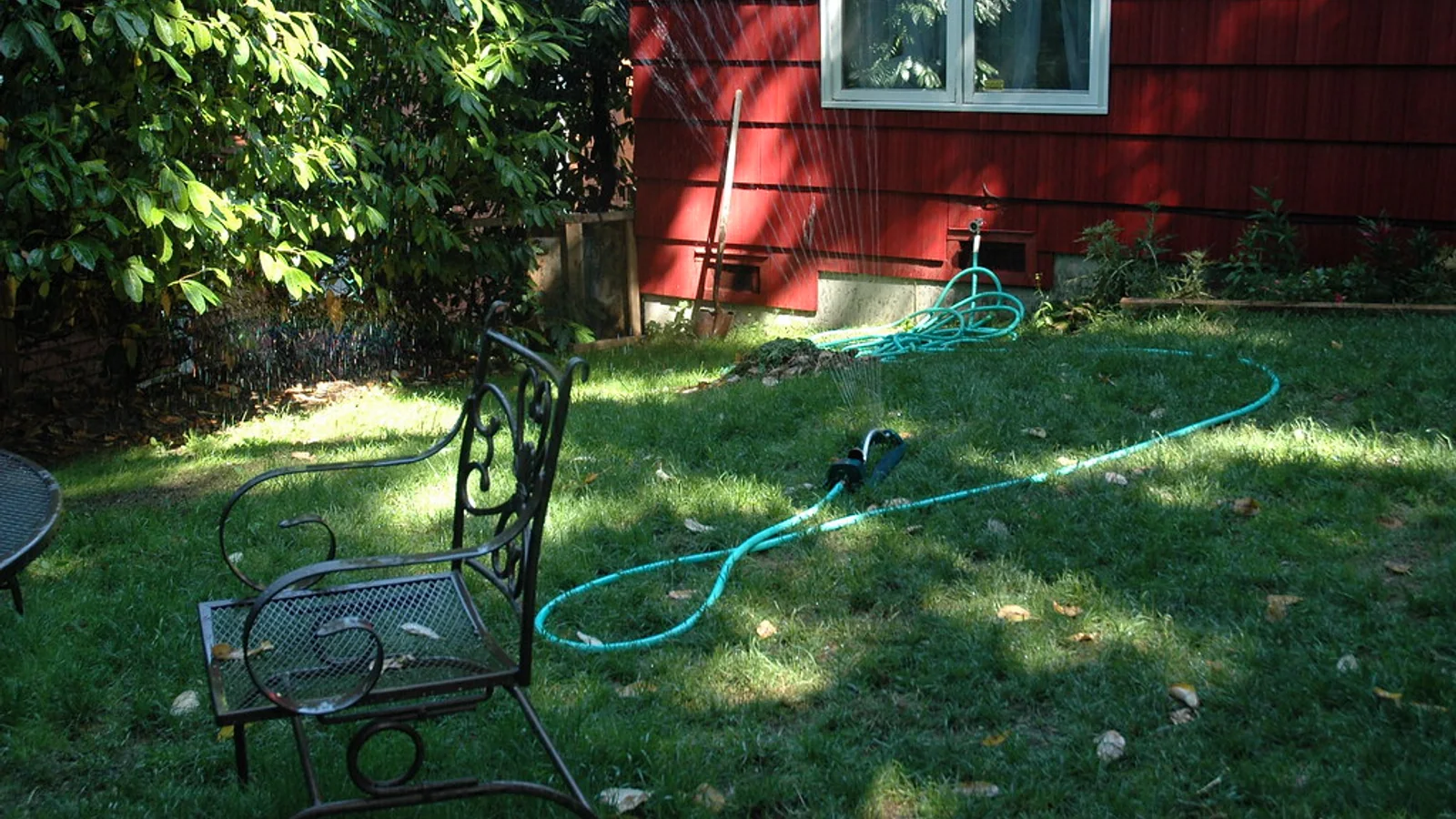
7 Signs You May Be Overwatering Your Florida Lawn
Soggy soil is only one clue. Learn how to investigate persistent moisture, weeds, runoff, weak roots, and recurring lawn trouble before changing irrigation.
Read the guide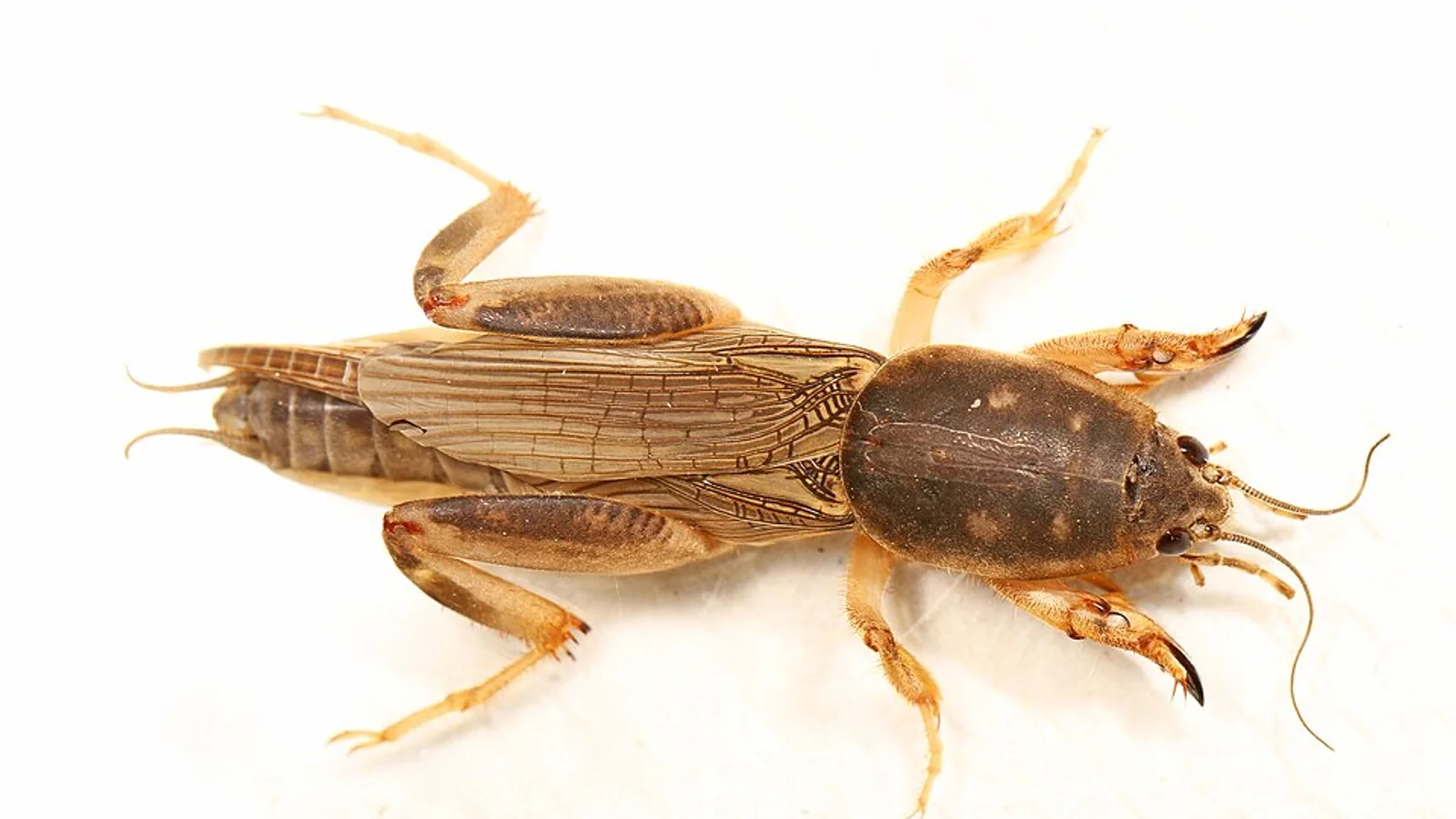
Chinch Bugs, Mole Crickets, and Panhandle Lawn Caterpillars
Brown turf does not prove insects. Compare pest clues, inspect the grass and soil, verify activity, and use an identify-first approach before treatment.
Read the guide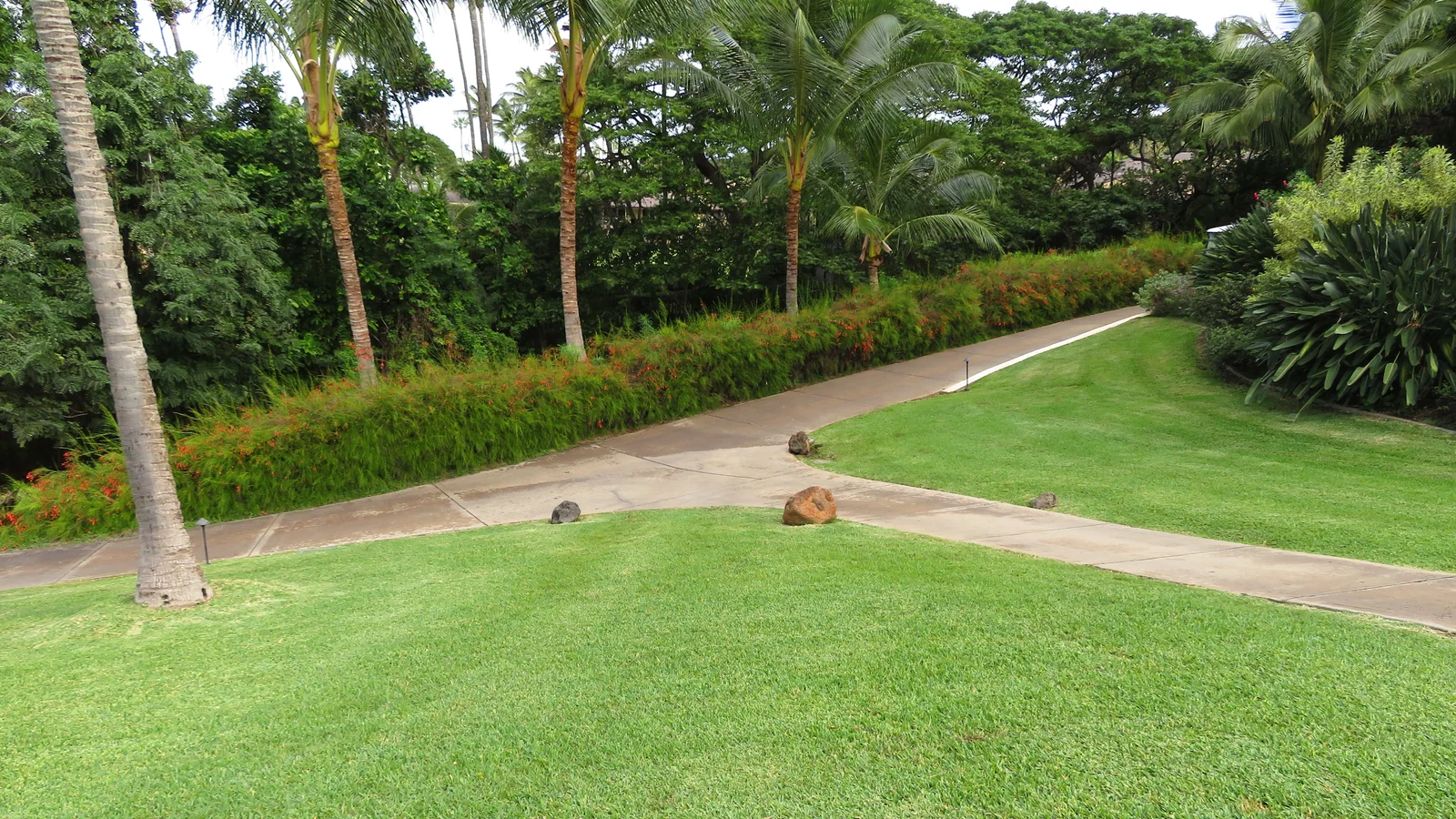
St. Augustinegrass Care in Northwest Florida
Healthy St. Augustinegrass starts with the right cultivar, a higher mowing cut, irrigation based on drought signs, and careful diagnosis of brown areas.
Read the guideLocal lawn care
Need help with your Okaloosa or Walton County lawn?
Ask about lawn mowing, yard cleanup, tree and shrub trimming, bed maintenance, weed control, mulching, or debris removal. Service and address availability must be confirmed.