
Water & Soil
How to Care for a Lawn in Florida Panhandle Sandy Soil
Sandy ground can drain quickly and hold fewer nutrients, but not every local yard behaves alike. Start with the site, roots, water, and a useful soil test.
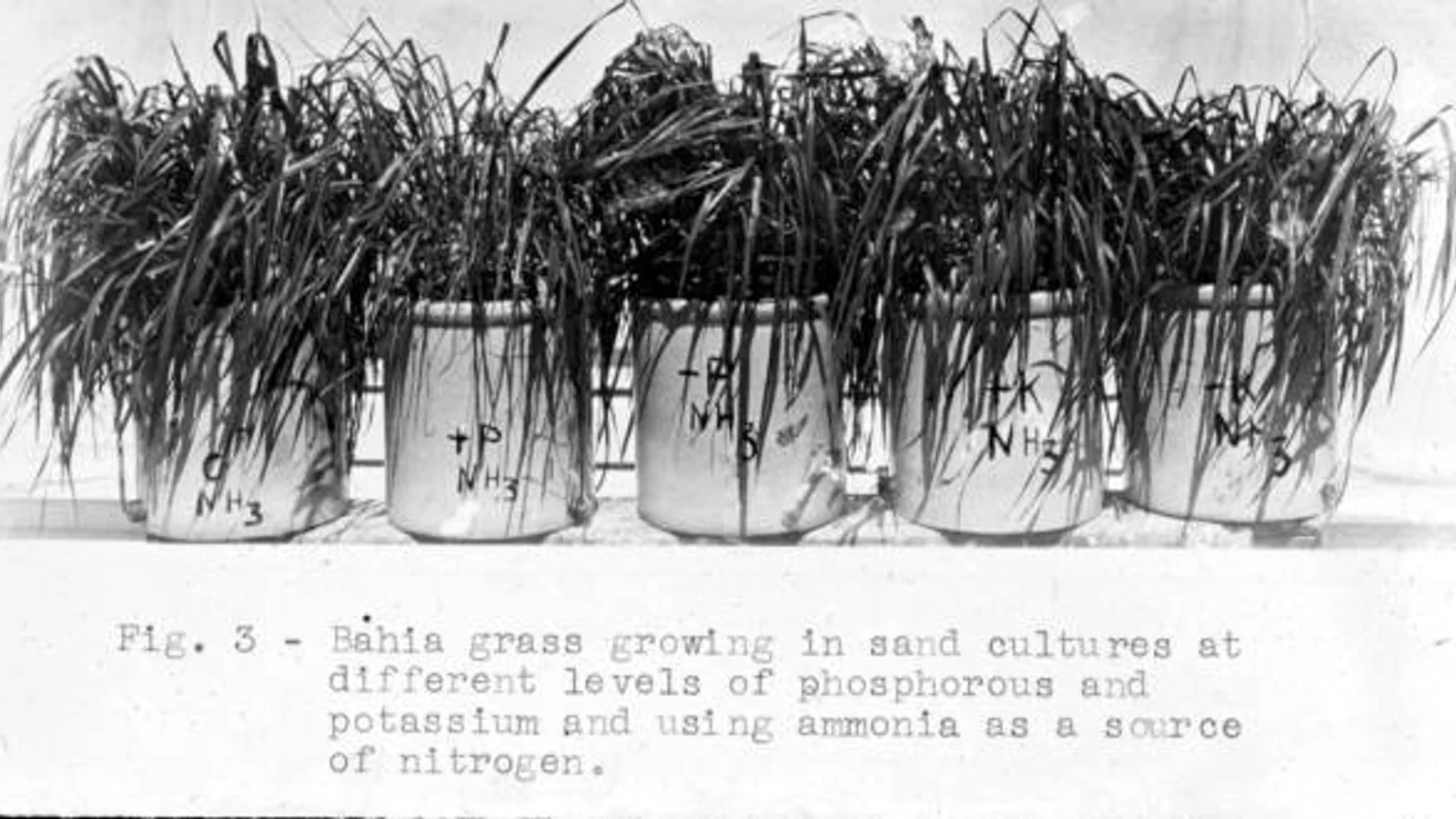
Treat sandy soil as a site condition, not a diagnosis. Check roots, compaction, grade, sun, salt exposure, and irrigation before changing the lawn. Water established turf only after drought signals appear, applying a measured 1/2 to 3/4 inch, and mow at the height for the identified grass. For a useful turf soil test, UF/IFAS recommends 10 to 15 samples from the top 4 inches, kept separate for healthy and struggling areas. Use the result mainly for pH, salinity, and lime requirement, not as permission to add every reported nutrient.
Sandy soil is common across the Florida Panhandle, especially near the coast, but that label can hide the part that matters. One yard drains quickly through several feet of sand. Next door, a thin sandy cap may sit over compacted fill and hold water near the surface. Grading can mix several soil conditions into one lot, from a dry curb strip to a wet downspout corner. A county soil map is useful background, but it is not a diagnosis for a particular lawn.
Sand tends to store less plant-available water and retain fewer nutrients than a finer-textured soil, so timing and roots matter. Frequent shallow irrigation is still not the solution; it encourages roots to remain at the surface. Unsupported fertilizer or lime applications can also create new problems without addressing the cause of weak color. A resilient approach combines site fit, measured irrigation, correct mowing, and targeted testing with realistic expectations for the turf species.
Confirm what is below the grass
Begin with a simple site map. Mark sunny and shaded areas, slopes, low spots, downspouts, irrigation heads, places where water disappears quickly, and places where it remains. Use a hand trowel or soil probe only after accounting for irrigation lines, cables, and other utilities. Compare the upper soil and roots in healthy and struggling areas. A dry, loose profile tells a different story from dense fill that resists the probe or a black, wet layer with weak roots.
Watch the lawn during both irrigation and rain. Rapid infiltration in one zone may be normal for coarse sand, while runoff in another can point to compaction, slope, or an application rate that exceeds infiltration. Standing water is not proof that the region lacks sandy soil; it shows that this location has a water movement problem. Address the observed condition rather than applying one sandy-soil remedy to the entire property.
- Compare healthy and weak areas instead of sampling only one spot.
- Note sun, shade, grade, roof runoff, and sprinkler patterns.
- Inspect rooting depth and whether the soil is loose, compacted, dry, or saturated.
- Protect buried utilities and irrigation components during any probing or sampling.
Water deeply enough, then wait for need
Sandy soil may dry sooner during hot, rain-free weather, but automatic daily watering still promotes a shallow root system. Inspect established turf for folding blades, a blue-gray color, or footprints that remain, then apply a measured root-zone irrigation. UF/IFAS commonly recommends 1/2 to 3/4 inch per event as a starting range for established lawns. A catch-can test shows how long each zone needs to deliver that amount and reveals uneven coverage.
After adequate rain, suspend irrigation and observe. In shade, water loss is slower; beside pavement in full sun, it may be faster. Separate those areas into zones where practical instead of forcing a compromise schedule. If water runs off a sandy-looking surface, do not assume the lawn needs even more. Investigate compaction, thatch, slope, and sprinkler application rate. The goal is water in the root zone, not a wet sidewalk or continuously damp surface.
Fast-draining soil can need closer observation, but it does not need a permanently wet surface. Let established turf show drought need before repeating irrigation.
Match the turf and mowing to the site
Turf selection changes how manageable a sandy property will be. Bahiagrass can suit acidic, sandy sites and survives drought well, but it has poor salt and wear tolerance. Centipedegrass is especially common in Panhandle home lawns and favors relatively acidic, low-fertility conditions. St. Augustinegrass offers comparatively good shade and salt tolerance depending on cultivar but handles wear poorly. Bermudagrass prefers sun and may demand more maintenance, while zoysiagrass varies by cultivar.
Once the grass is identified, use its recommended mowing height and remove no more than one-third of the leaf blade in one cut. Repeated scalping reduces leaf area and root development, making turf on a dry site less resilient. Sharp blades and mowing dry grass produce a cleaner cut. Return ordinary clippings when they disperse; they do not create thatch under proper mowing, and sweeping them off pavement keeps material out of storm drains.
Use soil testing for the right questions
A soil test is useful only when the sample represents the question. UF/IFAS recommends taking 10 to 15 small samples from the top 4 inches, mixing samples from the same problem area, and sending about a pint of the composite to the laboratory. Keep healthy and struggling turf separate or the average can hide the difference. For Florida turf, pH, salinity, and lime requirement are useful measurements, while calibration is limited for many nutrient recommendations.
Collect samples according to the laboratory's directions and keep fundamentally different areas separate. A coastal salt-exposure question is different from a routine pH question, and a wet low spot should not be blended with a dry high area if the goal is to understand their contrast. Interpret results with the turf species, rooting, irrigation, recent treatments, and seasonal growth. Before any fertilizer decision, check the current product label and rules for the exact municipality, county jurisdiction, utility, and HOA.
Yellow color alone does not prove a nitrogen, iron, or lime need. Cold soil, excess water, high pH, root disease, nematodes, and other stresses can look similar.
Build resilience with small, measured changes
Correct one verified limitation at a time. Calibrate irrigation and repair distribution first, because water problems can distort every other observation. Adjust mowing for the actual species. If compaction is confirmed, core aeration may help the affected lawn area; dethatching is a different operation for a true thatch layer and is not needed merely because clippings are present. Reduce traffic while turf is wet or stressed.
Where the site cannot support the desired grass without constant inputs, reconsider the design. Deep shade, heavy foot traffic, salt exposure, or an unirrigated hot strip may favor a mulched bed, suitable groundcover, or a different turf rather than repeating sod replacement. Florida-Friendly Landscaping begins with matching the plant to the place. That principle is particularly valuable on variable Panhandle lots, where the lowest-input solution may change from one side of a house to the other.
- Measure irrigation depth and uniformity.
- Mow for the identified species, not a preferred short appearance.
- Test soil when pH, salinity, or lime requirement is a real question.
- Correct confirmed compaction rather than assuming all sand drains freely.
- Use another landscape treatment where turf is a poor site match.
Common questions
Frequently asked questions
What grass grows best in sandy Florida Panhandle soil?
Soil texture is only one factor. Bahiagrass and centipedegrass can fit acidic, lower-input sites, while St. Augustinegrass, bermudagrass, and zoysiagrass may fit other combinations of sun, shade, salt, traffic, and desired maintenance. Identify drainage, pH, irrigation, exposure, and use before selecting a species or cultivar. No turf performs well in every Panhandle setting.
Should I add topsoil or organic material over a sandy lawn?
Do not spread material without defining the problem and confirming that its source and texture are appropriate. A heavy layer can bury turf crowns, change grade, block drainage, introduce weeds, or create an abrupt layer that affects water movement. For establishment or major renovation, obtain site-specific guidance and prepare the root zone correctly rather than repeatedly top-dressing a symptom.
Does sandy soil mean I should water every day?
No for an established lawn. Daily light irrigation favors shallow roots even when soil drains quickly. Water when the turf shows drought stress, apply a measured depth, and wait for signals to return. New sod has a separate short-term establishment schedule. Current watering restrictions for the exact address still apply, so check the utility, jurisdiction, and Northwest Florida Water Management District.
Sources and local guidance
This educational guide was prepared using the primary resources below. Product labels and current local rules always take priority.
- Watering Your Florida Lawn (University of Florida IFAS Extension)
- Soil Testing and Interpretation for Florida Turfgrasses (University of Florida IFAS Extension)
- Selecting a Turfgrass for Florida Lawns (University of Florida IFAS Extension)
- Florida-Friendly Landscaping: The Nine Principles (University of Florida IFAS Extension)
Keep reading
Related lawn care guides
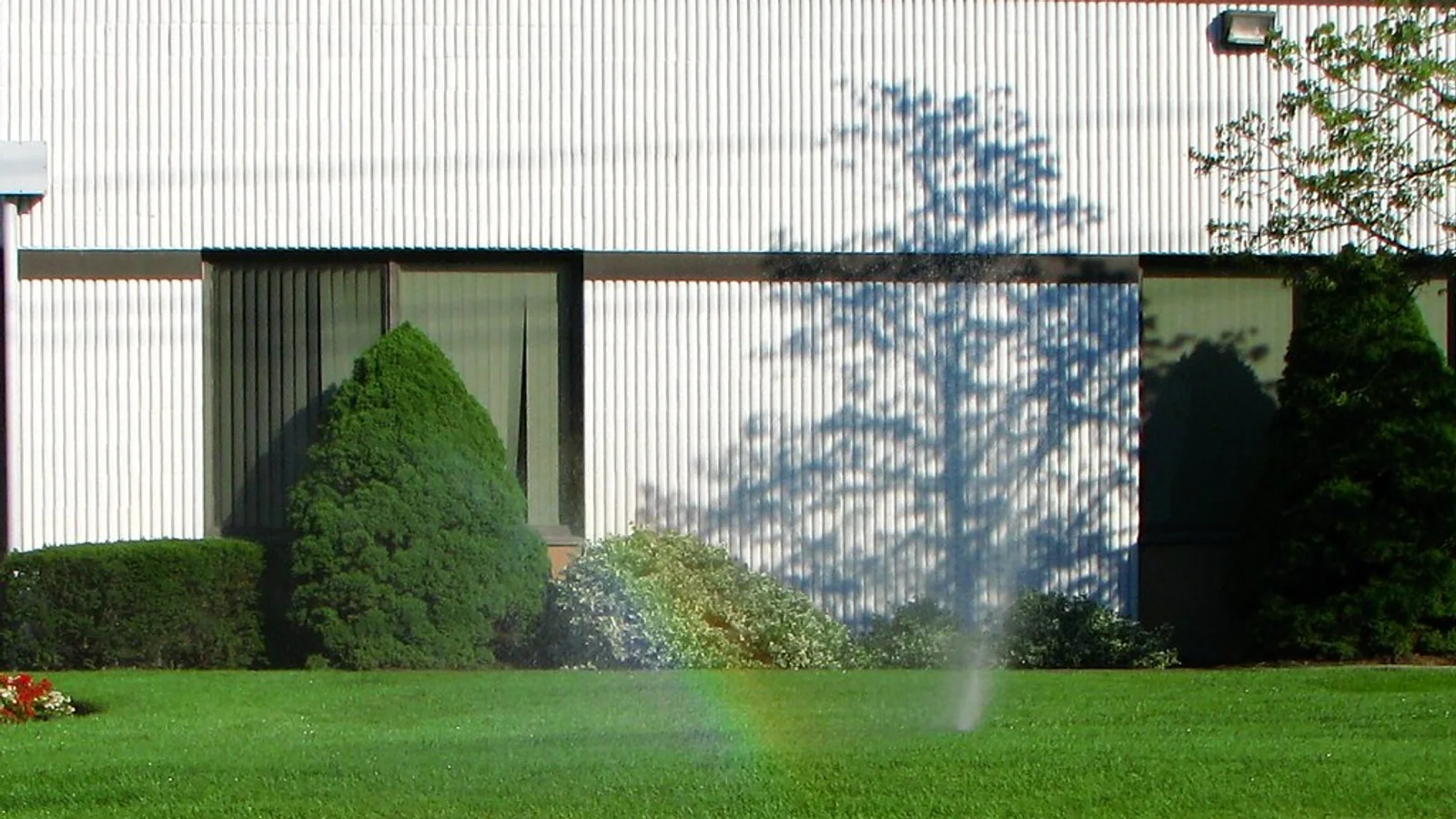
How Often Should You Water a Lawn in Northwest Florida?
A practical guide to reading drought signals, watering the root zone, accounting for Panhandle rain, and checking the rules for your address.
Read the guide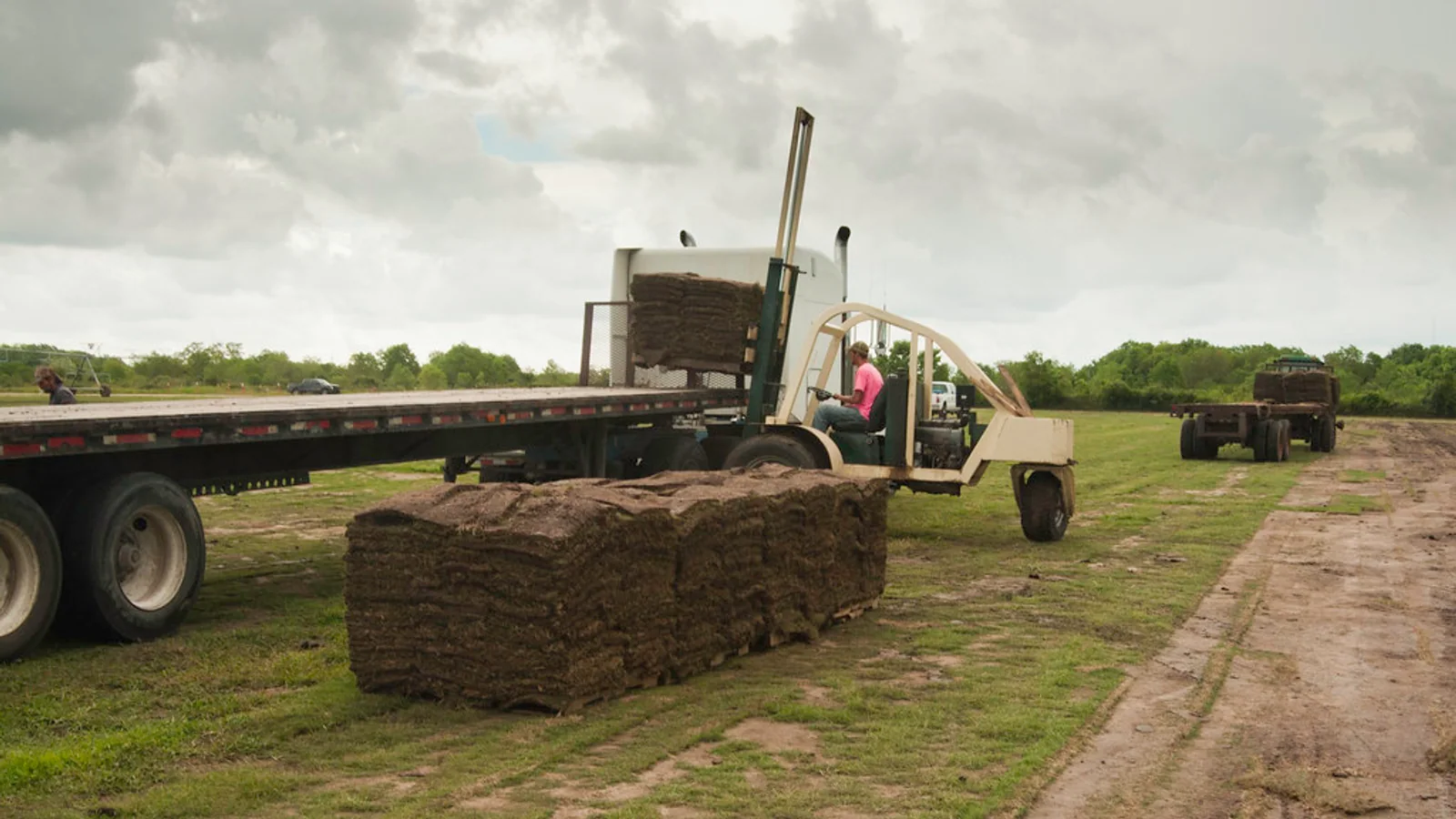
Best Grass for Florida Panhandle Yards
The best grass for an Okaloosa or Walton County yard depends on sunlight, soil, salt exposure, foot traffic, appearance goals, and maintenance capacity.
Read the guide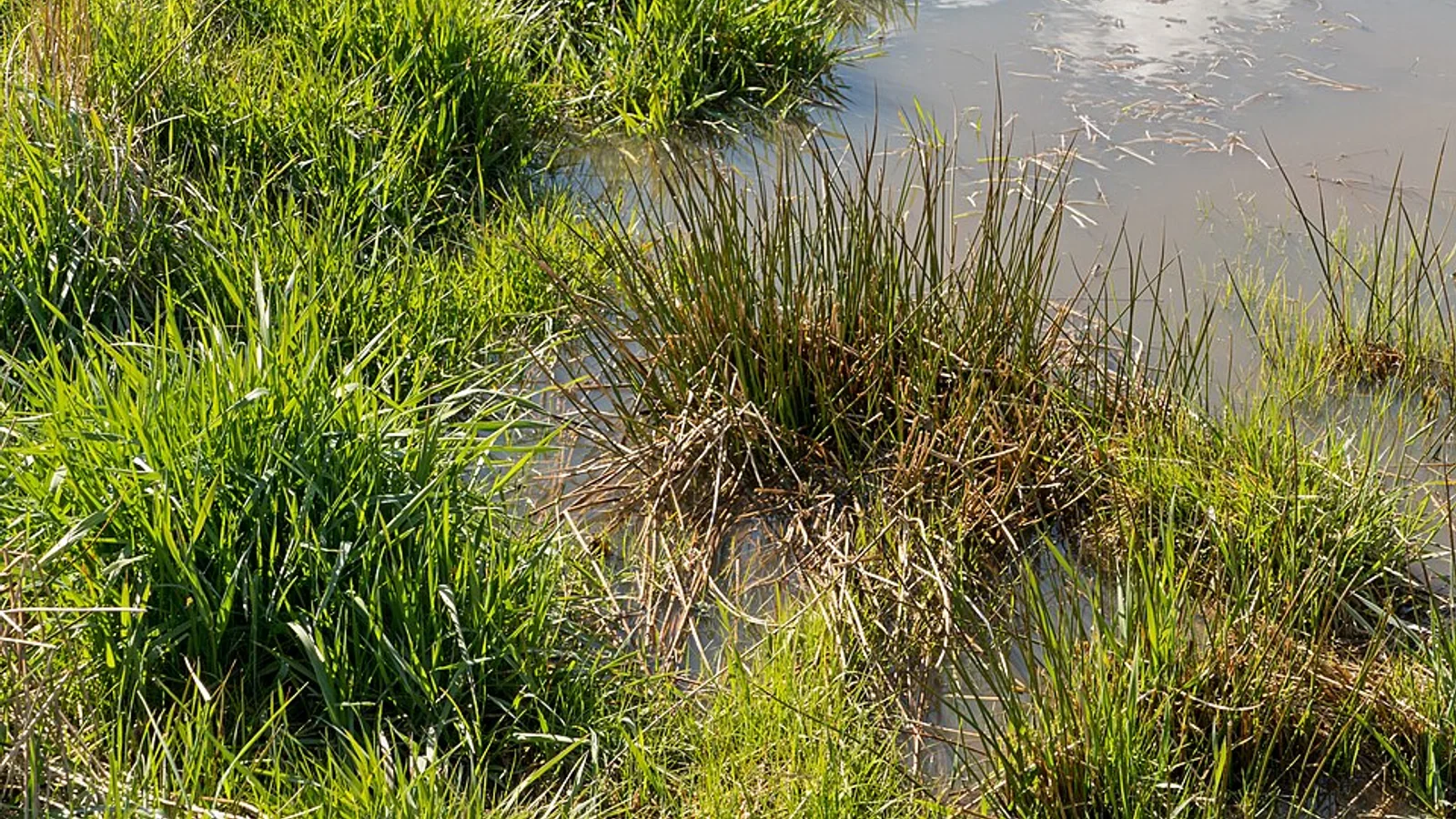
Why Your Yard Has Wet Spots and What to Check First
A wet patch can come from a leaking valve, roof runoff, uneven sprinklers, low grade, or compacted fill. Use the pattern to narrow the cause safely.
Read the guideLocal lawn care
Need help with your Okaloosa or Walton County lawn?
Ask about lawn mowing, yard cleanup, tree and shrub trimming, bed maintenance, weed control, mulching, or debris removal. Service and address availability must be confirmed.