Florida Lawn Basics
Best Grass for Florida Panhandle Yards
The best grass for an Okaloosa or Walton County yard depends on sunlight, soil, salt exposure, foot traffic, appearance goals, and maintenance capacity.
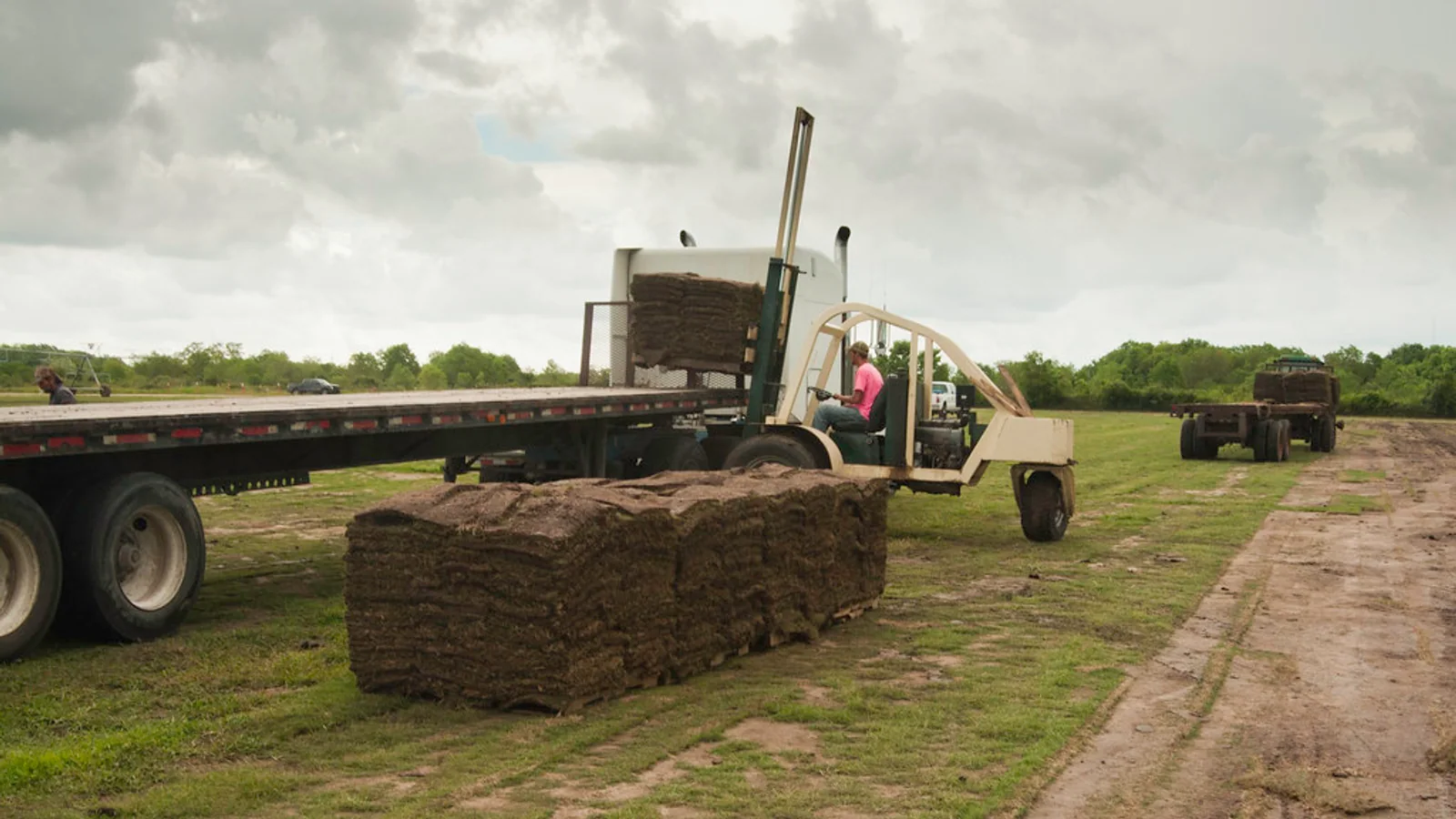
Choose the grass that survives the site's hardest condition. Centipedegrass fits many acidic, lower-input Panhandle lawns but dislikes salt and heavy traffic. St. Augustinegrass handles shade and salt comparatively well but wears poorly. Bahiagrass suits sunny, acidic sand and survives drought, while bermudagrass favors full sun and traffic. Zoysiagrass offers strong wear tolerance with cultivar-specific mowing. If deep shade is the limiting condition, the expert answer may be less turf rather than a different turf.
The best-looking lawn in the neighborhood may be the wrong grass for your lot. It might have more sun, no salt exposure, lighter traffic, or an irrigation system you do not want to run. Turf selection starts by writing down what the property actually asks the grass to tolerate.
Walk the yard at several times of day. Mark deep shade, hot reflected edges, soft drainage areas, dog routes, play areas, and windward coastal exposure. Test pH or salinity when either is a real question. Once the nonnegotiable conditions are visible, compare grasses by their limitations first and their appearance second.
Start with sun, soil, drainage, and use
Map how many hours of direct light different parts of the yard receive, especially beneath live oaks, pines, fences, and buildings. No lawn grass thrives in deep shade. St. Augustinegrass and some zoysiagrass cultivars have the strongest shade tolerance in the UF/IFAS comparison, centipedegrass is intermediate, and bermudagrass performs poorly when light is limited.
Then examine what happens to water. Native sandy soil may drain quickly and store little moisture, while compacted construction fill can shed water or remain saturated. A soil test can clarify pH, salinity, and whether lime is actually needed. Also note play areas, pet routes, parked equipment, and coastal salt exposure because wear and salt tolerance differ sharply.
Centipedegrass and bahiagrass favor simpler care
Centipedegrass is especially relevant in the Panhandle and is widely used for home lawns. It grows comparatively slowly, favors acidic soil and relatively low fertility, and is maintained around 1.5 to 2 inches. Excessive nitrogen can reduce cold tolerance and contribute to decline, so it is a poor candidate for a high-input program designed to force dark green growth.
Bahiagrass is another lower-maintenance choice for acidic, sandy sites. Its extensive rooting supports excellent drought survival, although the lawn may turn brown and go dormant during dry periods. It is coarser and more open than many sodded lawn grasses, produces visible seedheads, and has weak salt and wear tolerance. It is usually a better fit for sunny acreage than a shaded, heavily used coastal yard.
St. Augustinegrass fits shade and some coastal sites
St. Augustinegrass provides a broad-bladed, dense lawn and has comparatively good shade and salt tolerance, though cultivar performance varies. Those traits can make it attractive near the Emerald Coast or in yards with filtered light. Salt tolerance is not immunity to direct saltwater flooding, and even shade-tolerant turf will thin where light is too low.
The tradeoffs include relatively poor wear tolerance and susceptibility to several stresses, including southern chinch bugs and moisture-related diseases. Standard cultivars are maintained high, generally 3.5 to 4 inches, while dwarf or semi-dwarf types are lower. A household choosing St. Augustinegrass should be comfortable preserving that height and diagnosing problems instead of cutting short to hide them.
Bermudagrass and zoysiagrass suit active sunny lawns
Bermudagrass excels in full sun and tolerates traffic, drought, and salt better than several alternatives. It can form a fine, attractive surface, but residential quality often comes with more mowing and management. Its low height range may require frequent cuts, a very level surface, and specialized mowing equipment near the lowest settings. Shade is its major site limitation.
Zoysiagrasses combine good wear and drought tolerance with better cultivar-dependent shade tolerance than bermudagrass. They are not one uniform product: texture, mowing height, growth rate, and maintenance needs vary among cultivars. Zoysiagrass can also develop thatch, so selection should include a realistic plan for mowing and periodic assessment rather than relying only on its dense appearance.
Make the final choice before installation
Rank the site's nonnegotiable conditions first. Deep shade may rule out turf altogether; heavy traffic weakens the case for St. Augustinegrass; exposed coastal salt challenges bahiagrass; and a low-maintenance goal may conflict with fine, closely cut bermudagrass. Where conditions change across the yard, reducing the turf area or using a non-turf bed can be better than mixing grasses with incompatible care.
Confirm how the chosen grass is established. Some are sold mainly as sod, plugs, or sprigs, while others may also be seeded. Spring and early summer give warm-season turf more time to root before north Florida cold slows growth. For St. Augustinegrass sod, UF/IFAS outlines short irrigations several times daily for the first 7 to 10 days, daily irrigation of one-quarter to one-half inch for the next 7 to 10 days, then 2 to 3 times weekly before shifting to need-based watering after about 3 to 4 weeks. It also advises waiting 30 to 60 days before fertilizer and delaying mowing until the sod is pegged down, generally 14 to 21 days. Other species and site conditions may adjust that sequence.
Common questions
Frequently asked questions
What is the lowest-maintenance grass for Northwest Florida?
Centipedegrass and bahiagrass are common lower-input candidates, but neither is best everywhere. Centipedegrass fits many acidic home-lawn sites; bahiagrass handles sandy, sunny ground and drought well but is coarse, produces seedheads, and tolerates salt and traffic poorly.
Which Florida grass grows best in shade?
St. Augustinegrass and selected zoysiagrass cultivars have the best shade tolerance among common Florida lawn grasses, but no turf succeeds in deep shade. If grass remains thin after correcting mowing and irrigation, a mulched or planted bed may fit the site better.
What grass is best near the Gulf Coast?
Salt exposure, wind, sand, shade, and use all matter. St. Augustinegrass, bermudagrass, and some zoysiagrasses offer comparatively useful salt tolerance, but cultivar and site conditions should be verified. Direct saltwater flooding can damage even a relatively tolerant lawn.
Sources and local guidance
This educational guide was prepared using the primary resources below. Product labels and current local rules always take priority.
- Selecting a Turfgrass for Florida Lawns (UF/IFAS Extension)
- Soil Testing and Interpretation for Florida Turfgrasses (UF/IFAS Extension)
- Establishing Your Florida Lawn (UF/IFAS Extension)
- St. Augustinegrass for Florida Lawns (UF/IFAS Extension)
Keep reading
Related lawn care guides
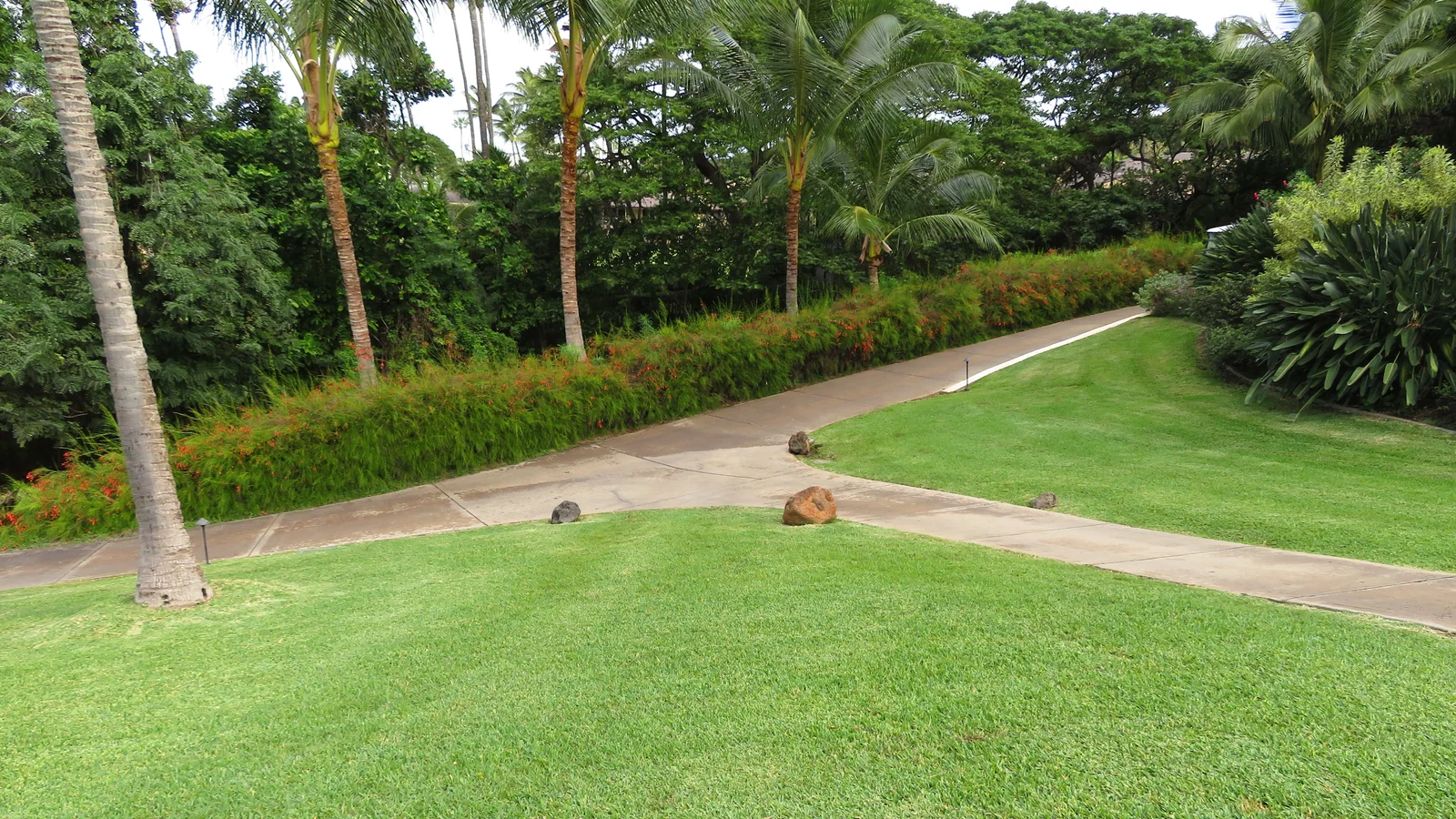
St. Augustinegrass Care in Northwest Florida
Healthy St. Augustinegrass starts with the right cultivar, a higher mowing cut, irrigation based on drought signs, and careful diagnosis of brown areas.
Read the guide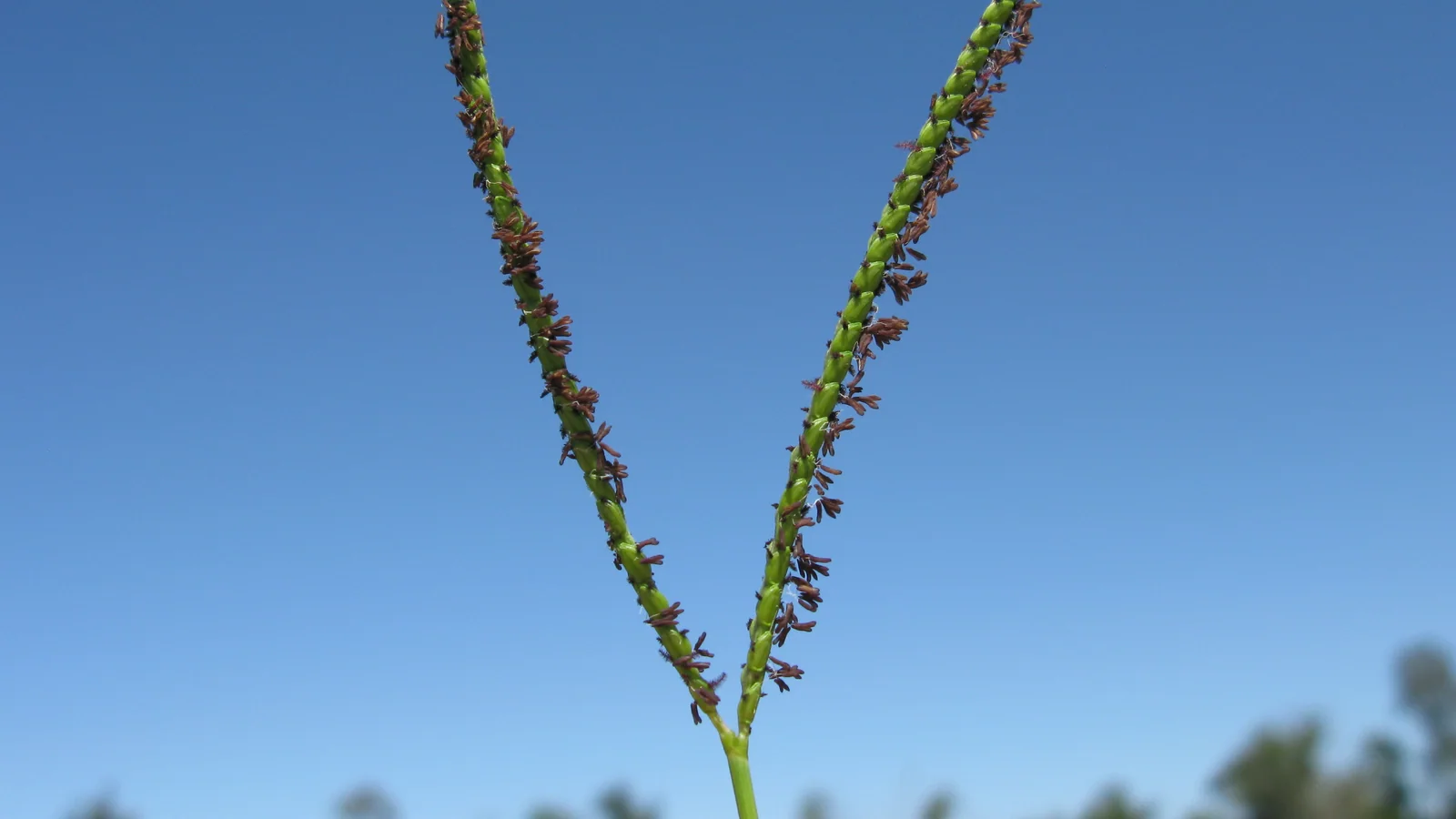
Centipedegrass vs. Bahiagrass for Panhandle Lawns
Centipedegrass and bahiagrass both suit lower-input Panhandle landscapes, but they differ in texture, mowing height, shade, drought response, salt tolerance, and use.
Read the guide
Florida Grass Mowing Height Guide for Panhandle Lawns
Use grass species and cultivar, not a mower deck number or a neighbor's lawn, to choose a healthy mowing height for Florida Panhandle turf.
Read the guideLocal lawn care
Need help with your Okaloosa or Walton County lawn?
Ask about lawn mowing, yard cleanup, tree and shrub trimming, bed maintenance, weed control, mulching, or debris removal. Service and address availability must be confirmed.