
Water & Soil
Why Your Yard Has Wet Spots and What to Check First
A wet patch can come from a leaking valve, roof runoff, uneven sprinklers, low grade, or compacted fill. Use the pattern to narrow the cause safely.
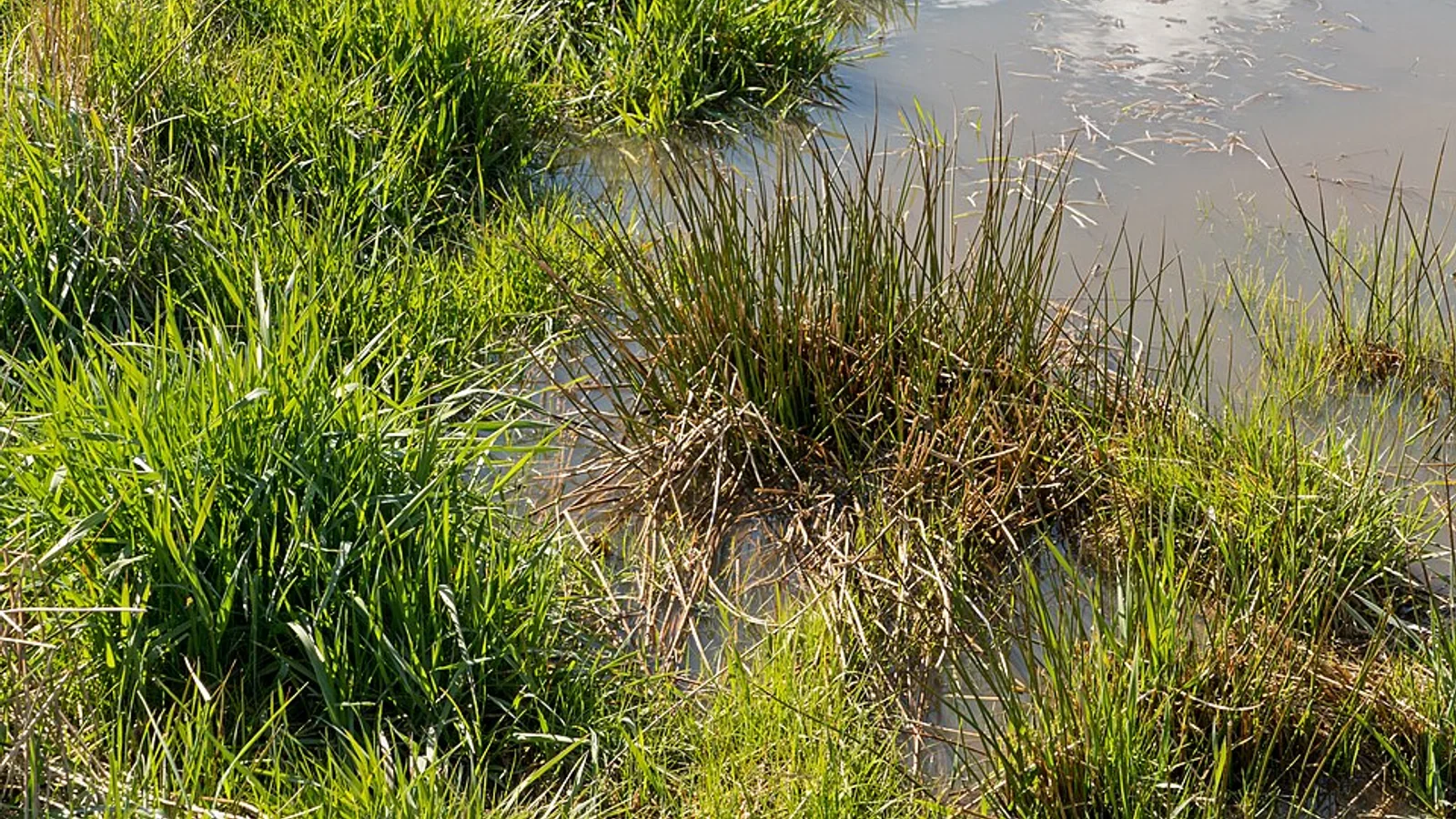
First determine what turns the spot wet. Mark its edge, switch off unnecessary irrigation, watch the suspected zone run, and place catch cans across it for 15 minutes. Then observe the same area after natural rain and through a rain-free period. A patch that appears only when one zone runs points toward irrigation; a basin that fills during storms points toward grade or runoff; water that persists with the system off may involve a leak, groundwater, septic, or another source. Fix the verified cause instead of burying the symptom with soil.
A wet patch is not automatically a drainage project. One may trace the arc of a misaligned sprinkler. Another sits below a downspout, collects driveway runoff, or remains saturated above compacted construction fill. A broad low area that fills after an intense Panhandle storm needs a different response from a small spot that stays wet through rain-free weather.
The lawn itself may show only the secondary effects: thin grass, algae, dollarweed, sedges, rutting, or roots that are easy to pull. Treating those symptoms without changing the water path invites them back. A better investigation starts with timing and pattern, then moves through irrigation, drainage, soil, and grade. This guide helps organize those observations; it does not replace an on-site evaluation for major drainage, structural, utility, or sanitation concerns.
Map when and where the water appears
Observe the area before, during, and after both irrigation and natural rain. Mark the wet boundary with flags or photos and record how long it remains. If it appears immediately when one zone runs, irrigation is the leading place to investigate. If it grows downhill during storms, surface runoff and grade matter. If it stays wet through a dry period with irrigation off, a leaking line, high groundwater condition, septic concern, utility issue, or another source may be involved.
Look beyond the center of the puddle. Water may travel from a roof, neighboring slope, air-conditioning drain, outdoor faucet, pavement, or buried pipe before collecting at the visible low point. Compare the elevation and soil firmness around it, but do not dig until underground utilities and irrigation lines are located. Documenting the path is more useful than immediately filling the depression, which may merely push water toward a foundation or adjacent property.
- Does the spot appear after irrigation, rain, or both?
- Does it remain during several dry days with the system off?
- Does its outline follow a sprinkler arc, slope, wheel track, or roof discharge?
- Is the water clear, silty, odorous, or associated with a utility or septic warning sign?
- Where can water leave the property without harming structures, neighbors, or stormwater?
Test irrigation before changing the landscape
Run the suspected zone while watching every head and valve box. Look for a broken riser, a low head that keeps draining after shutdown, overspray, a nozzle aimed into the wet area, or a valve that never closes fully. Place catch cans across the zone for 15 minutes and write down each depth. One high measurement beside the wet patch can expose a distribution problem that an ordinary-looking controller time conceals.
Review the schedule with rainfall and turf demand. A shaded side yard may receive the same programmed minutes as a sunny front yard but lose water much more slowly. An automatic system may also run after a thunderstorm if its rain shutoff is absent, bypassed, or not working. Repairing a leak or separating unlike zones is more effective than turning down every sprinkler when most of the lawn is correctly watered.
A controller tells you minutes, not water depth. Measure the zone and inspect it in operation before assuming the yard needs a grading project.
Distinguish fast-draining sand from compacted fill
The Panhandle is known for sandy soils, but developed lots are often variable. A sandy surface may cover dense fill, a buried construction layer, or a compacted traffic path. Water can stop at that layer, move sideways, or run across the surface. In other locations, coarse sand may accept water quickly but a low grade collects more runoff than it can drain. Soil texture and site shape have to be considered together.
Compare a healthy area and the wet area with a soil probe where it is safe to do so. Resistance, shallow roots, odor, and a visible saturated layer provide useful clues. Core aeration can help a confirmed compacted lawn area, but it will not repair a leaking pipe or redesign a basin. Dethatching is also different from aeration and should be reserved for a true thatch problem, not blamed on routine grass clippings.
Choose the smallest fix that addresses the cause
For irrigation causes, repair or realign components, calibrate the zone, and water only when established turf shows drought need. For concentrated roof runoff, an appropriate extension or drainage design may spread or convey water to a lawful outlet away from foundations. For minor low spots, regrading may be possible, but added material must not bury turf crowns, redirect water onto a neighbor, cover utilities, or block a required drainage path.
Reduce traffic and keep heavy equipment off saturated turf while the site recovers. Mowing wet ground can rut soil and compact the root zone, and spinning tires may tear grass that would otherwise recover. Where shade and chronic moisture make turf a poor fit, a properly designed bed or site-suited groundcover may be more durable than repeatedly replacing sod. Florida-Friendly design starts by matching plants to the actual conditions.
- Leak or bad coverage: repair and recalibrate the irrigation zone.
- Excess schedule: account for rain, shade, season, and drought signals.
- Roof concentration: use an appropriate, lawful discharge solution.
- Verified compaction: consider core aeration when turf is actively growing.
- Poor turf site: evaluate a bed or groundcover instead of repeated treatments.
Know when the wet spot needs professional attention
Escalate the problem when standing water approaches a building, persists without a clear source, erodes soil, affects a neighbor, or may involve a supply line, sewer, septic system, electrical equipment, sinkhole activity, or contaminated floodwater. Large changes to grade or drainage can affect easements, stormwater systems, permits, and other properties. A qualified drainage, plumbing, septic, engineering, or utility professional should handle the part within that specialty.
Once the source is corrected, allow soil oxygen and root conditions to recover before judging the turf. Do not use fertilizer, fungicide, insecticide, or herbicide as a substitute for drainage correction. If weeds, root decline, or disease-like symptoms remain, identify the turf and problem through UF/IFAS Extension or another qualified resource before considering a treatment. Any product must be labeled for the exact turf and target and used according to its current label.
Keep runoff, soil, clippings, and treatments out of streets, drains, ponds, and neighboring property. Verify local requirements before altering a drainage route.
Common questions
Frequently asked questions
Will adding sand or topsoil fix a low wet spot?
Not necessarily. Filling without tracing the water source can redirect runoff toward a house or neighboring lot, block drainage, or bury turf. Added material can also create a new soil layer that changes infiltration. First determine whether the cause is irrigation, roof runoff, grade, compaction, a leak, or another source, then choose a site-specific correction that follows local requirements.
Why is one sprinkler head area always soggy after the system stops?
The head may sit at the low end of a zone and drain water remaining in the pipe, a valve may seep, or the nozzle may apply too much water there. Observe the zone, check catch-can output, and have irrigation components repaired as appropriate. Reducing the entire lawn schedule may leave other areas dry without fixing the mechanical issue.
Can I mow over a wet area once the standing water is gone?
Wait until the soil can support the mower without rutting and the grass blades are reasonably dry. Saturated soil compacts and tears easily, while wet blades clump and cut poorly. If the area repeatedly delays mowing, address the water source rather than treating every visit as an isolated scheduling inconvenience.
Sources and local guidance
This educational guide was prepared using the primary resources below. Product labels and current local rules always take priority.
- Watering Your Florida Lawn (University of Florida IFAS Extension)
- Improving Turfgrass Health: Proper Irrigation Techniques (University of Florida IFAS Extension)
- Florida-Friendly Landscaping: The Nine Principles (University of Florida IFAS Extension)
Keep reading
Related lawn care guides
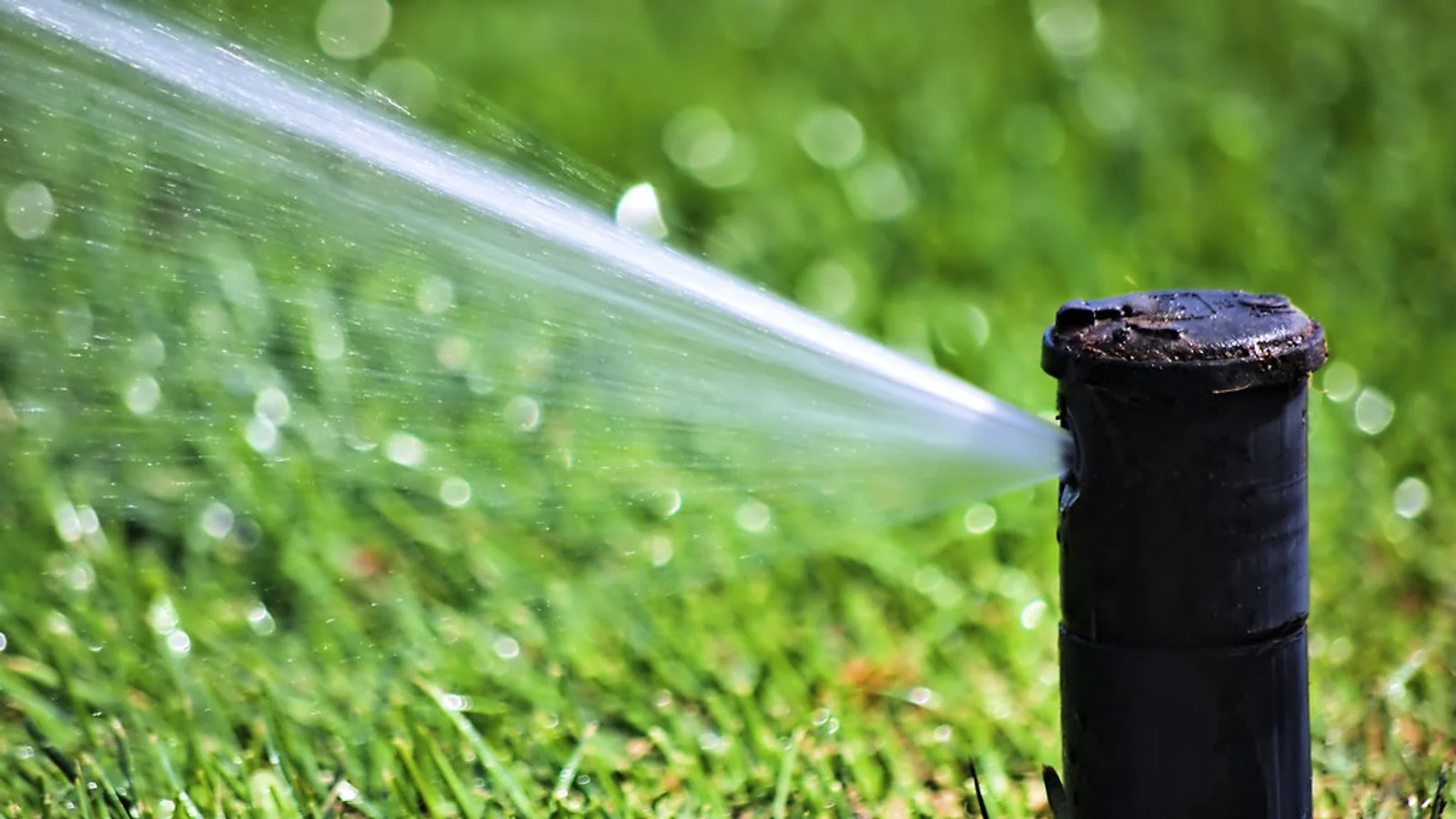
How to Calibrate Your Lawn Sprinklers with Catch Cans
Stop guessing at sprinkler minutes. This step-by-step catch-can test shows how much water each lawn zone applies and where coverage falls short.
Read the guide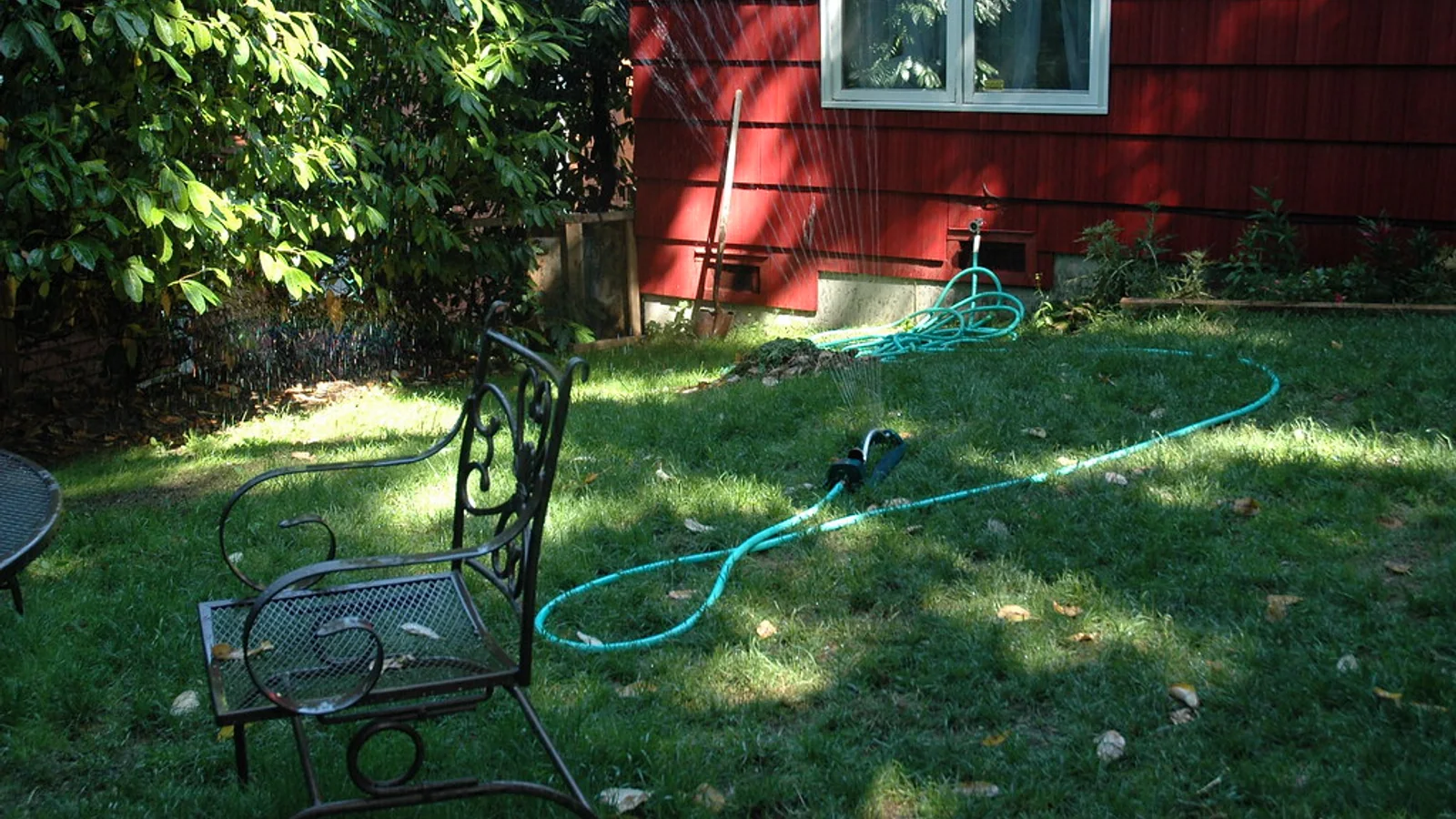
7 Signs You May Be Overwatering Your Florida Lawn
Soggy soil is only one clue. Learn how to investigate persistent moisture, weeds, runoff, weak roots, and recurring lawn trouble before changing irrigation.
Read the guide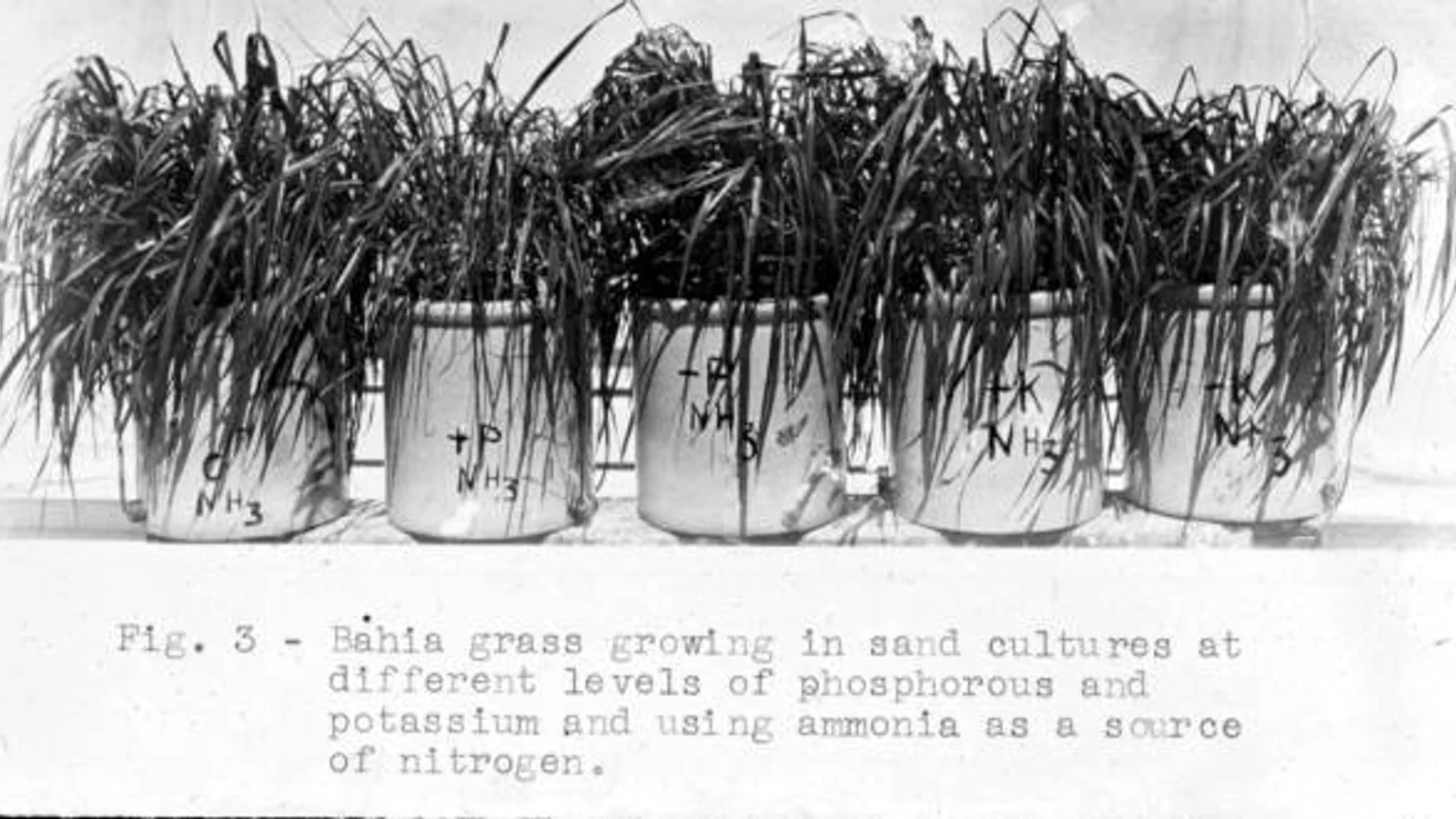
How to Care for a Lawn in Florida Panhandle Sandy Soil
Sandy ground can drain quickly and hold fewer nutrients, but not every local yard behaves alike. Start with the site, roots, water, and a useful soil test.
Read the guideLocal lawn care
Need help with your Okaloosa or Walton County lawn?
Ask about lawn mowing, yard cleanup, tree and shrub trimming, bed maintenance, weed control, mulching, or debris removal. Service and address availability must be confirmed.