
Mowing & Maintenance
Florida Grass Mowing Height Guide for Panhandle Lawns
Use grass species and cultivar, not a mower deck number or a neighbor's lawn, to choose a healthy mowing height for Florida Panhandle turf.
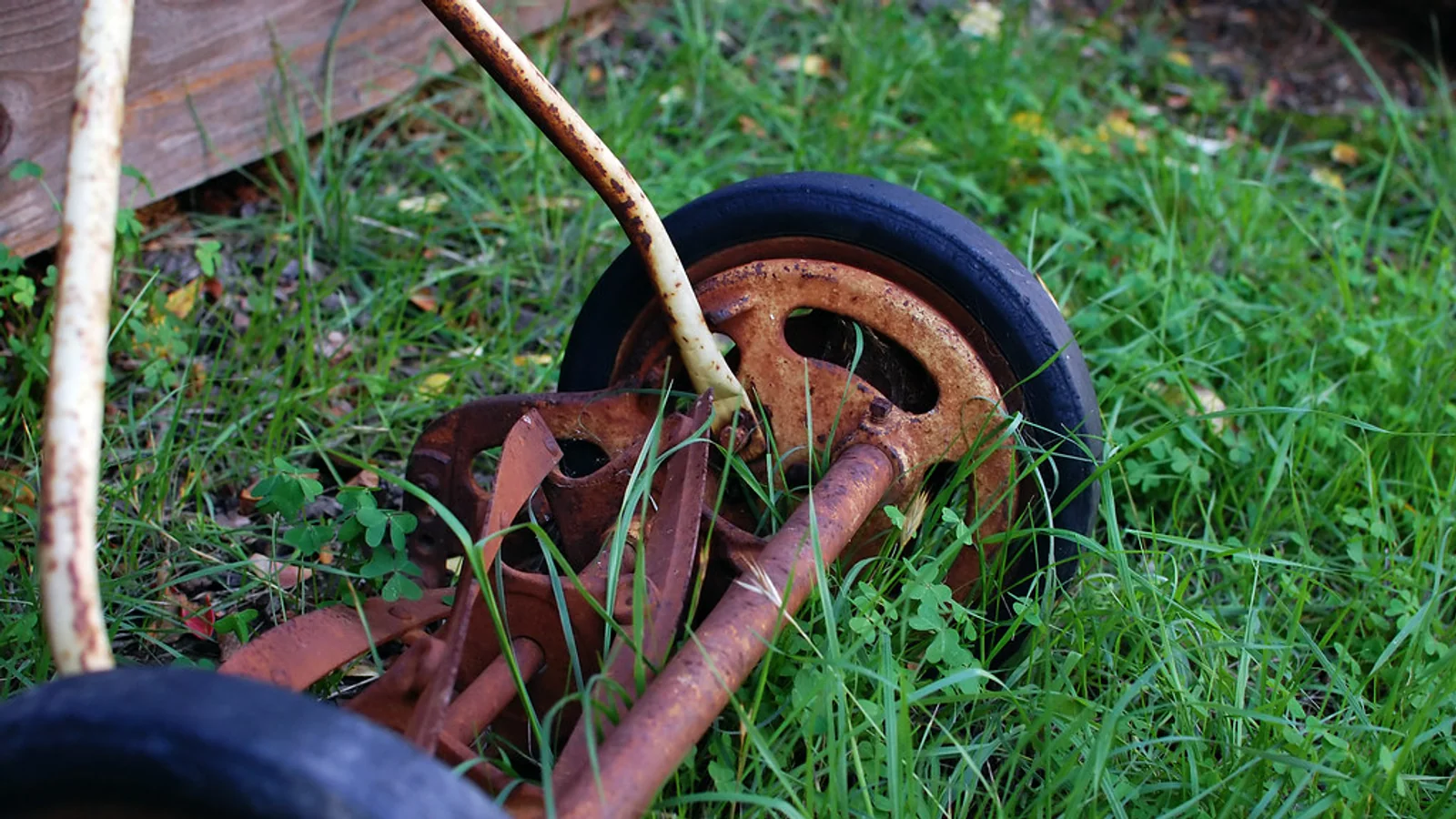
UF/IFAS recommends 3 to 4 inches for bahiagrass, 1.5 to 2.5 inches in its current centipedegrass guide, 0.5 to 1.5 inches in the general bermudagrass comparison, 3.5 to 4 inches for standard St. Augustinegrass, 2 to 2.5 inches for dwarf St. Augustinegrass, and roughly 1.75 to 2.5 inches for medium- or coarse-textured zoysiagrass. Measure the finished leaf, then mow before growth rises more than about 50 percent above that target.
The shortest cut that looks tidy is often the cut that causes trouble later. Each warm-season grass keeps enough leaf to power its own growth at a different height. Repeatedly shaving below that range costs root growth, opens the canopy to weeds, and leaves less protection when heat or drought arrives.
A single Okaloosa or Walton County street may contain centipedegrass, bahiagrass, St. Augustinegrass, zoysiagrass, and bermudagrass. The deck setting that suits one can scalp another. Identify the turf, choose its range, and measure the standing leaf after a test pass. The number beside the mower lever is only a position.
Recommended heights for common Panhandle grasses
UF/IFAS lists bahiagrass at 3 to 4 inches and its current centipedegrass guide at 1.5 to 2.5 inches. The general Florida mowing comparison places bermudagrass at 0.5 to 1.5 inches, while its species guide uses 1 to 2 inches for low- to moderate-input lawns. Bermudagrass near the low end needs level ground, very frequent mowing, and a reel mower below 1 inch. Most home lawns are more forgiving at the higher residential setting.
Standard St. Augustinegrass cultivars belong at 3.5 to 4 inches, while most dwarf types belong at 2 to 2.5 inches. Medium- or coarse-textured zoysiagrasses are generally maintained around 1.75 to 2.5 inches, depending on cultivar. Confirm the cultivar before adopting a low-cut program, especially for CitraBlue or any grass marketed with a specialized mowing range.
- Bahiagrass: 3 to 4 inches
- Centipedegrass: 1.5 to 2.5 inches
- Bermudagrass: 0.5 to 1.5 inches
- Standard St. Augustinegrass: 3.5 to 4 inches
- Dwarf St. Augustinegrass: 2 to 2.5 inches
- Medium- or coarse-textured zoysiagrass: about 1.75 to 2.5 inches
Treat these as species and cultivar ranges, not permission to remove more than one-third of the leaf blade in a single mowing.
Why a higher cut often builds a stronger lawn
Grass leaves power the plant, and a taller canopy within the recommended range captures more light. That added leaf area supports a deeper, more extensive root system and shades some weed seedlings at the soil surface. It also provides a cushion against irregular ground that might otherwise let the mower scalp high spots.
Higher does not mean letting turf grow indefinitely. Overgrown grass can fold, shade its own lower leaves, and require a damaging correction. The goal is a consistent finish inside the recommended range. Mow often enough during active growth that no cut removes more than one-third of the blade, then lengthen the interval when growth slows.
Measure the result instead of trusting deck numbers
The numbers printed beside a mower-height lever usually identify positions, not inches. Tire pressure, blade wear, mower design, and ground contour can all change the finished height. Park on a flat surface, set the deck, mow a small dry test area, and measure several standing blades from the soil surface to their cut tips.
Measure more than one spot because Panhandle lawns are rarely perfectly level. If crowns are exposed or pale circular marks appear on small rises, move the deck higher. If the mower leaves broad differences between passes, inspect the deck for level and make sure all tires are properly inflated before assuming the grass itself is uneven.
Protect the chosen height with the one-third rule
A correct deck setting can still produce a stressful cut when the lawn is too tall. Use 1.5 times the finished height as a practical trigger: mow a 2-inch centipedegrass lawn by about 3 inches, a 3-inch bahiagrass lawn by about 4 to 4.5 inches, and a 4-inch standard St. Augustinegrass lawn by about 6 inches. After a delay, restore the target over multiple cuts rather than dropping the deck in one afternoon.
Seasonal growth determines how quickly the one-third threshold arrives. Warm, wet weather may demand a shorter interval, while drought, shade, cool weather, or dormancy can slow growth substantially. Keep the height steady and adjust the schedule. Lowering the deck because the lawn is growing faster only trades scheduling pressure for plant stress.
Pair the right setting with a clean mowing process
Sharp blades cut cleanly; dull blades shred leaf tips and leave a pale or brown cast across the lawn. Mow when foliage and soil are dry enough to avoid clumps and ruts, vary the direction periodically, and avoid turning aggressively in the same place. These details matter most at lower heights, where small defects are more visible.
Return ordinary clippings when they spread evenly because they decompose and recycle nutrients. If tall or wet growth produces piles, redistribute or collect only the clumps that would smother turf. Finish by sweeping material from driveways, sidewalks, and streets back into the lawn instead of sending it toward storm drains or nearby water.
Common questions
Frequently asked questions
What number should I set my lawn mower to in Florida?
Deck numbers are not standardized measurements. Identify the grass, choose its recommended height, make a test pass on level ground, and measure the cut blades in several places. Adjust the lever until the actual finished leaf, not the printed number, matches the target.
Can I cut St. Augustinegrass to two inches?
That is below the UF/IFAS recommendation for standard St. Augustinegrass cultivars. Dwarf and semi-dwarf cultivars have a lower recommendation, so confirm the cultivar before changing height and never make a large reduction in one cut.
Should grass be cut shorter before winter?
Warm-season turf does not need a severe close cut to prepare for Panhandle winter. Continue at the grass-specific height while it grows, follow the one-third rule, and reduce mowing frequency as growth slows or dormancy begins.
Sources and local guidance
This educational guide was prepared using the primary resources below. Product labels and current local rules always take priority.
- Mowing Your Florida Lawn (UF/IFAS Extension)
- Selecting a Turfgrass for Florida Lawns (UF/IFAS Extension)
- Bahiagrass for Florida Lawns (UF/IFAS Extension)
- Bermudagrass for Florida Lawns (UF/IFAS Extension)
- Centipedegrass for Florida Lawns (UF/IFAS Extension)
- St. Augustinegrass for Florida Lawns (UF/IFAS Extension)
- Zoysiagrass for Florida Lawns (UF/IFAS Extension)
- How to Manage Yard Wastes to Protect Surface Water (UF/IFAS Extension)
Keep reading
Related lawn care guides
How Often Should You Mow a Florida Panhandle Lawn?
A practical guide to choosing the right mowing interval for a Florida Panhandle lawn as grass growth, rainfall, temperature, and turf type change.
Read the guide
Best Grass for Florida Panhandle Yards
The best grass for an Okaloosa or Walton County yard depends on sunlight, soil, salt exposure, foot traffic, appearance goals, and maintenance capacity.
Read the guide
St. Augustinegrass Care in Northwest Florida
Healthy St. Augustinegrass starts with the right cultivar, a higher mowing cut, irrigation based on drought signs, and careful diagnosis of brown areas.
Read the guideLocal lawn care
Need help with your Okaloosa or Walton County lawn?
Ask about lawn mowing, yard cleanup, tree and shrub trimming, bed maintenance, weed control, mulching, or debris removal. Service and address availability must be confirmed.