
Florida Lawn Basics
Can Grass Grow Under Live Oaks and Pine Trees?
Shade, roots, moisture, leaf litter, and mower access all affect turf beneath Panhandle trees, and sometimes grass is not the best groundcover.
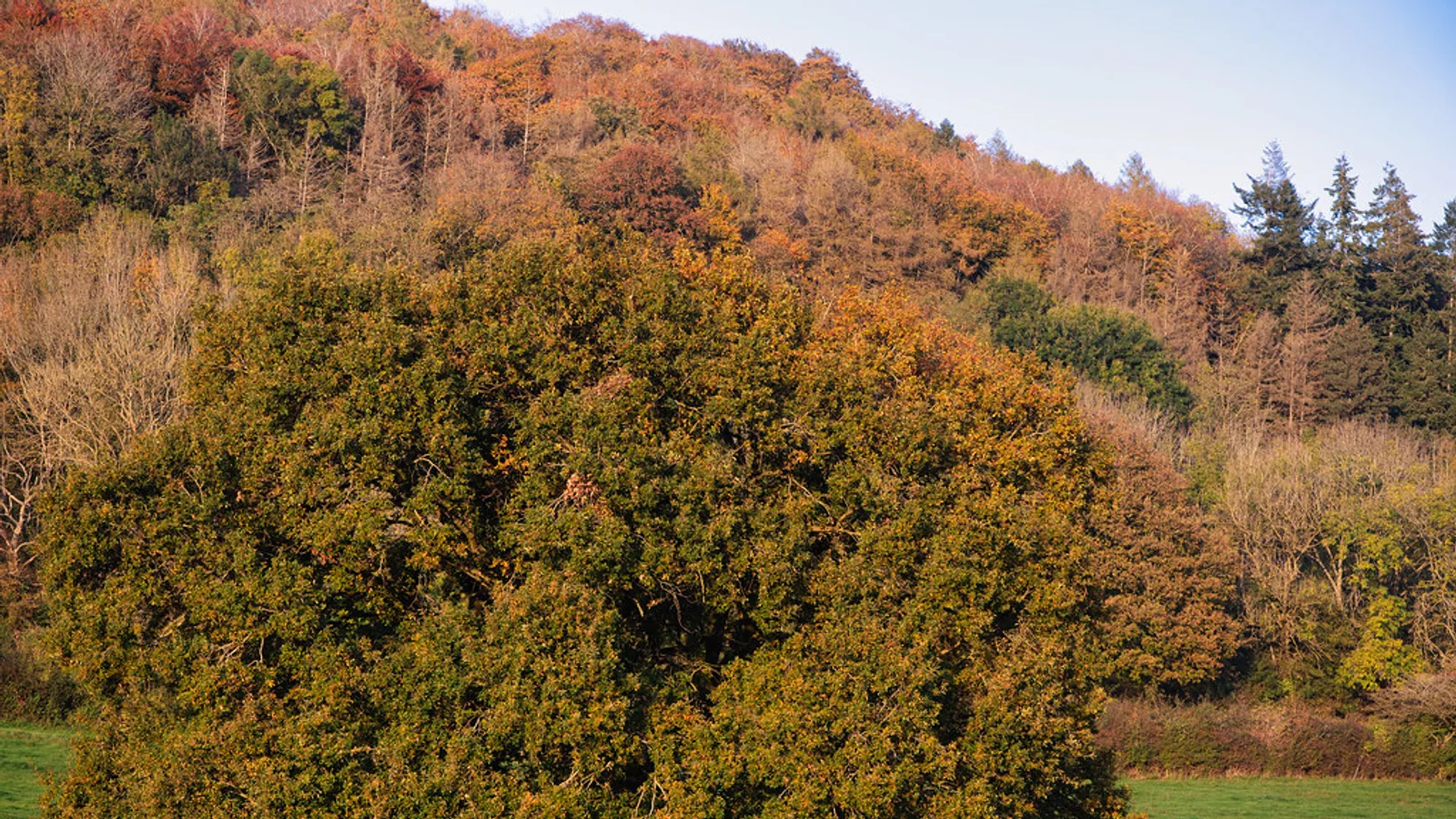
Grass can persist under live oaks or pines only where useful light reaches it. Photograph the same area in the morning, at midday, and late afternoon on several fully leafed days, then separate direct sun, moving filtered light, and continuous heavy shade. Use St. Augustinegrass or an appropriate zoysiagrass only in moderate shade, raise mowing to the top of its recommended range, reduce water and fertilizer, and convert persistently dark areas to a planted or mulched bed.
A mature live oak may be the best feature on a Panhandle property and the least sensible place to keep replacing sod. Its canopy intercepts light and rain, surface roots compete for water, and litter covers grass that is already struggling. Pines produce a different pattern of filtered light and dry root zones. Neither situation is solved by one bag of seed or fertilizer.
Before buying sod or fertilizer, watch how sunlight moves through the area in different seasons. Identify the existing grass, check drainage and traffic, and decide whether the goal is a true lawn or simply stable, attractive groundcover. A smaller area of healthy turf next to a well-planned bed often looks better than repeatedly replacing grass in deep shade.
Measure light before choosing grass
No Florida lawn species performs well without usable light. UF/IFAS rates St. Augustinegrass and zoysiagrass as having the best shade tolerance among common choices, though cultivar matters. Centipedegrass has fair tolerance, bahiagrass is limited, and bermudagrass generally performs poorly in shade. Even the more tolerant options decline when the canopy is too dense.
Do not judge the site from one bright afternoon. On three representative days when the canopy is fully leafed, take photos from the same point in morning, midday, and late afternoon. Mark zones that receive direct sun, moving filtered light, or continuous heavy shade. UF/IFAS does not give one universal hour count because species, cultivar, season, and light intensity differ. Continuous heavy shade is the decision point to stop replacing turf and plan another groundcover.
- Identify direct, filtered, and deep-shade zones separately.
- Choose turf for the darkest part of the proposed lawn, not the brightest edge.
- Check salt, traffic, and maintenance needs along with shade tolerance.
Adjust water, mowing, and traffic
Shaded turf grows more slowly and generally needs less water and fertilizer than the same grass in full sun. Water from actual drought signals rather than giving the area extra irrigation because it looks thin. Frequent watering can increase disease pressure and encourage moisture-loving weeds without solving the light limitation.
Mow shaded grass at the highest recommended height for its species and cultivar. The added leaf area improves light capture and supports deeper rooting. Redirect foot traffic, pet runs, and repeated mower turns away from weak zones. Water only when the grass shows drought stress, because UF/IFAS recommends less irrigation and less fertilizer in shade than in full sun.
- Watch for folded blades, blue-gray color, or lingering footprints before watering.
- Use a sharp mower blade and avoid abrupt turns over exposed roots.
- Keep mulch rings wide enough to prevent string-trimmer damage to trunks.
Manage litter without harming trees
A light layer of leaves can often be mulch-mowed when turf is actively growing and the pieces disperse. Thick mats should be moved before they block light and air. Pine needles can be useful mulch in an appropriate bed, but a deep layer over thin grass makes the shade problem worse. Keep all material out of streets, drains, and water.
Do not cut major roots, raise the grade over roots, or pile mulch against the trunk to make mowing easier. Root and trunk injury can compromise the tree. Discuss substantial root-zone changes, construction, or concerns about tree stability with a qualified arborist before altering the site.
Protecting a mature tree is usually more valuable than forcing turf beneath it. Design maintenance around the root zone instead of treating roots as lawn obstacles.
Know when to replace turf with a bed
If grass remains open and weak after the species, mowing, water, traffic, and litter are corrected, light may be below the practical threshold. Expanding a bed can reduce repeated sod expense and protect exposed soil. Choose Florida-friendly plants or groundcovers for the actual light, moisture, mature size, and maintenance conditions rather than filling the area with a single generic shade plant.
Use a defined edge that is easy to maintain and a mulch depth appropriate for the plants and site. Keep mulch away from trunks and do not change drainage toward a foundation. The transition should look intentional, provide access for tree inspection, and avoid creating a hidden irrigation or utility problem.
When deep shade is permanent, the best lawn-care decision may be a smaller lawn, not more seed, water, fertilizer, or chemical treatment.
Common questions
Frequently asked questions
Does pine straw make soil too acidic for grass?
Do not blame needles or add lime without testing. Shade, root competition, litter depth, grass species, and moisture often matter more. A soil test can assess pH and lime requirement, but pH alone does not prove that lime is needed or that light is adequate for turf.
What is the best grass for shade in Northwest Florida?
UF/IFAS rates St. Augustinegrass and zoysiagrass as the most shade tolerant common turf groups, with important cultivar differences. Neither succeeds in deep shade. Match the choice to salt, traffic, soil, appearance, and maintenance needs, and use a bed where light is insufficient.
Sources and local guidance
This educational guide was prepared using the primary resources below. Product labels and current local rules always take priority.
- Selecting a Turfgrass for Florida Lawns (UF/IFAS Extension)
- Watering Your Florida Lawn (UF/IFAS Extension)
- Growing Turfgrass in the Shade (UF/IFAS Extension)
Keep reading
Related lawn care guides
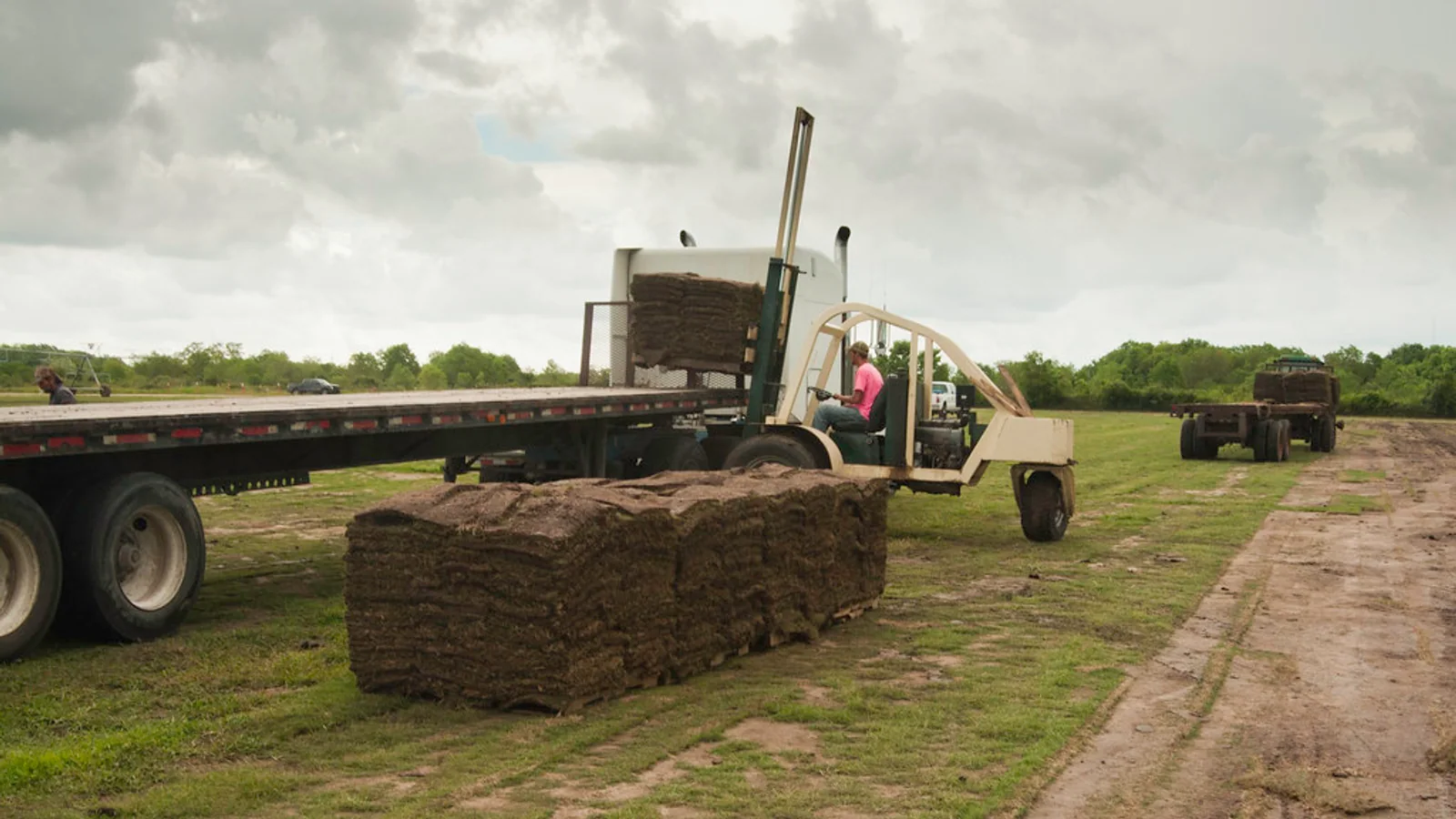
Best Grass for Florida Panhandle Yards
The best grass for an Okaloosa or Walton County yard depends on sunlight, soil, salt exposure, foot traffic, appearance goals, and maintenance capacity.
Read the guide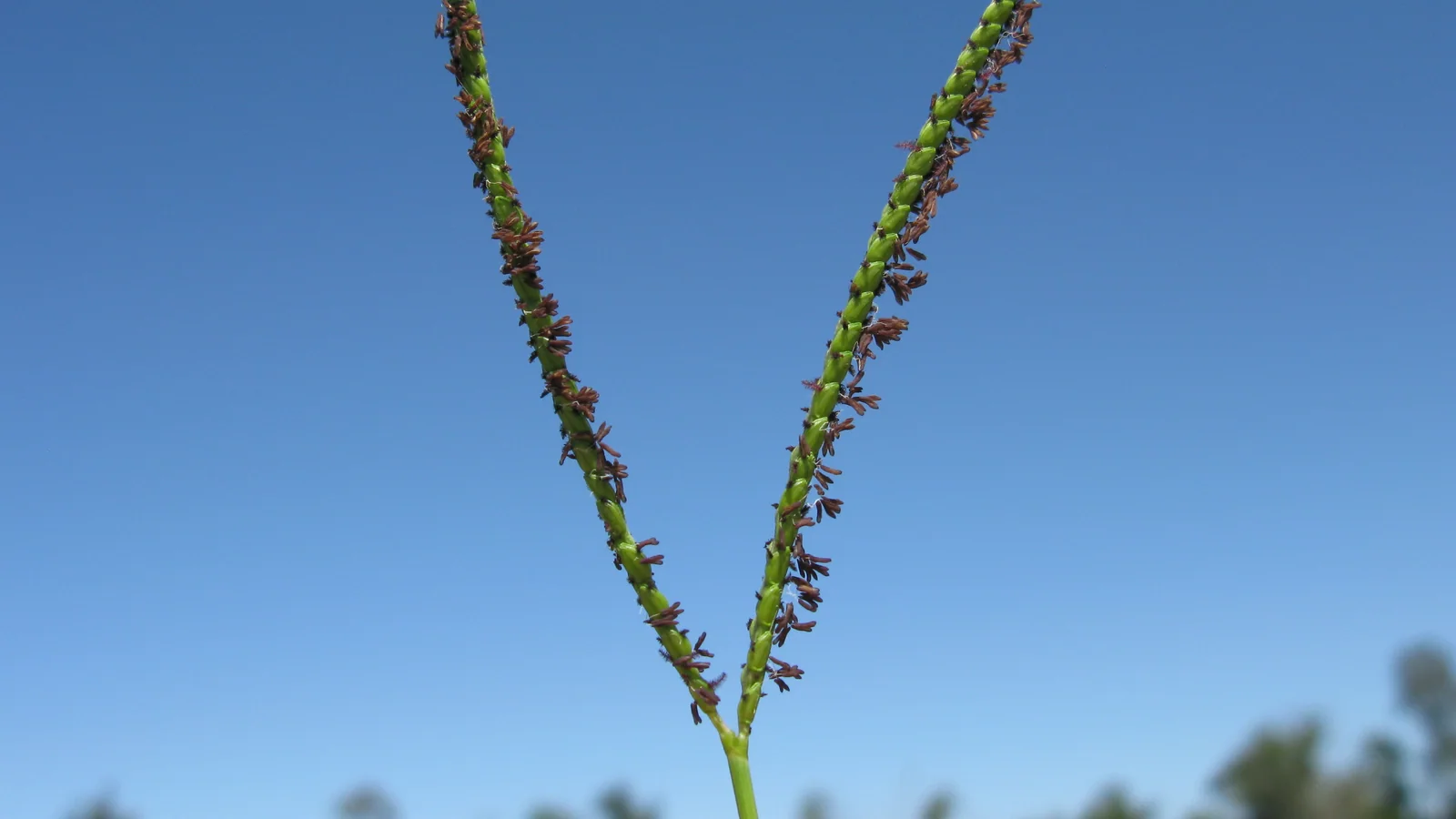
Centipedegrass vs. Bahiagrass for Panhandle Lawns
Centipedegrass and bahiagrass both suit lower-input Panhandle landscapes, but they differ in texture, mowing height, shade, drought response, salt tolerance, and use.
Read the guide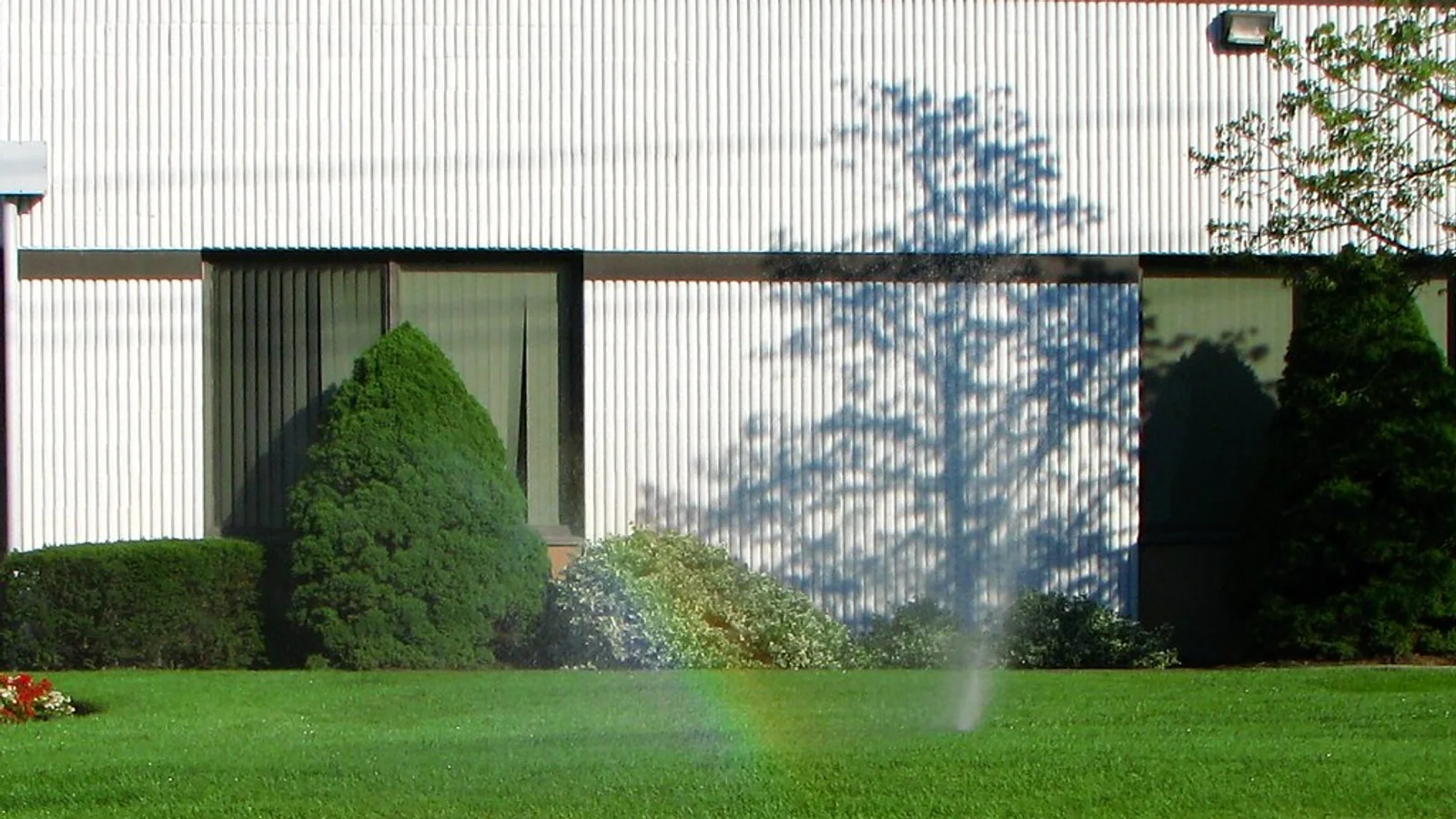
How Often Should You Water a Lawn in Northwest Florida?
A practical guide to reading drought signals, watering the root zone, accounting for Panhandle rain, and checking the rules for your address.
Read the guideLocal lawn care
Need help with your Okaloosa or Walton County lawn?
Ask about lawn mowing, yard cleanup, tree and shrub trimming, bed maintenance, weed control, mulching, or debris removal. Service and address availability must be confirmed.