
Seasonal & Storm Care
Fall and Winter Lawn Care for the Florida Panhandle
Help Northwest Florida turf enter cooler weather without forcing growth, overwatering dormant grass, or mistaking every brown area for a dead lawn.
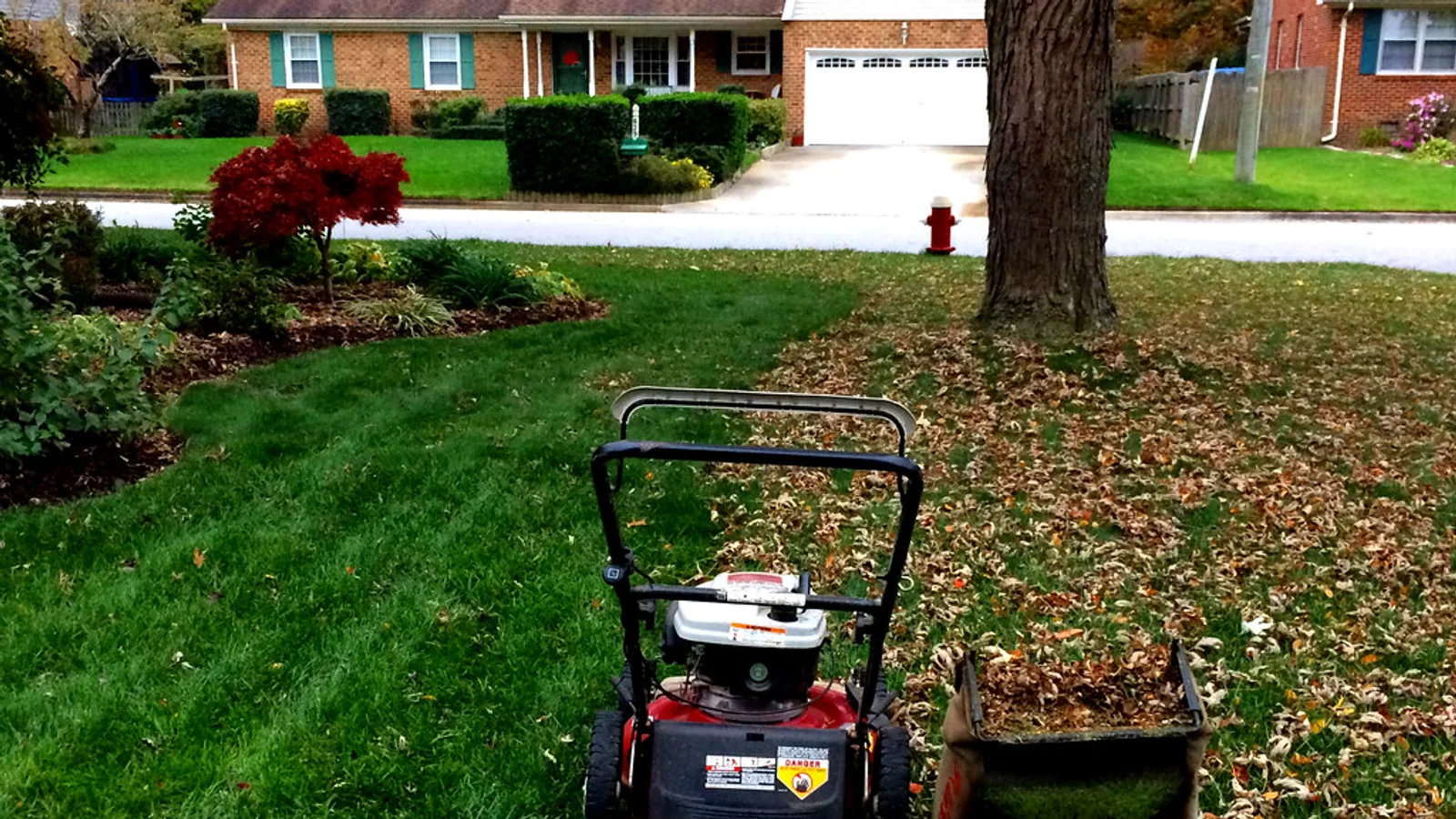
Keep the same species-appropriate mowing height as growth slows, but lengthen the interval and stop mowing when there is no meaningful growth. Water established turf only after drought signs appear, using about one-half to three-quarters of an inch when irrigation is needed and allowed. From November through May, temperatures below 80°F plus roughly 48 hours of continuous leaf wetness raise large-patch risk in St. Augustinegrass and zoysiagrass. Uniform winter browning is often dormancy; expanding patches need diagnosis.
September can still look like summer in Okaloosa and Walton Counties. Then one cool front arrives and a lawn that filled the mower bag last week barely changes. Shade, species, moisture, and nighttime temperature all influence that slowdown, so neighboring yards may lose color on different schedules.
Resist the urge to keep summer growth going. The better fall routine is quieter: hold the correct mowing height, stretch visits as clipping volume falls, cut back irrigation, and watch for disease weather. Once growth stops, use the break to manage leaves, service equipment, and decide what to change in chronically wet, shady, or worn areas.
Let Mowing Frequency Follow Growth
Continue mowing only while the lawn is producing enough leaf to need it. Hold standard St. Augustinegrass around 3.5 to 4 inches, bahiagrass around 3 to 4 inches, and centipedegrass around 1.5 to 2.5 inches. Use the one-third rule at every cut. Dropping the deck because growth is slowing does not prepare turf for winter; it strips away working leaf area and exposes stems and crowns.
Mow when foliage and soil are reasonably dry. A sharp blade leaves a cleaner edge and helps avoid a ragged brown cast. Return fine clippings to the lawn when they disperse easily, but redistribute heavy clumps. When mowing becomes occasional, clean the deck and inspect the blade rather than putting away equipment coated with damp debris.
- Keep standard St. Augustinegrass higher than centipedegrass.
- Never use one deck setting for every grass species.
- Change direction periodically to reduce repeated wear patterns.
- Sweep clippings off pavement and away from storm drains.
Reduce Water as Demand Falls
Cooler temperatures and slower growth usually reduce water use. Revisit the controller instead of carrying a summer program into fall. Established turf should be irrigated when folded blades, blue-gray color, or lingering footprints show need, and rainfall should replace a planned cycle. Shaded areas may remain moist longer than sunny exposures and should not automatically receive identical treatment.
Overwatering slow-growing or dormant turf keeps soil wet without producing deeper roots. It can encourage dollarweed and sedges, move nutrients, and create conditions associated with root stress and disease. Check for broken heads and runoff, confirm that rain or moisture shutoff technology works, and follow current local, utility, and water-management restrictions rather than publishing a permanent weekday schedule.
Avoid Forcing Late Tender Growth
A green-up product marketed for winter is not automatically appropriate for a Florida Panhandle lawn. Late high-nitrogen growth can be tender and less cold-tolerant, particularly for centipedegrass, which naturally performs with relatively low fertility. The correct decision depends on species, active growth, soil and site information, weather, the current label, and the rules that apply to the property.
Do not use yellow or fading fall color as a nutrient diagnosis. Shorter days, cool soil, excess moisture, pH, root problems, and the normal transition toward dormancy can all change appearance. Soil testing is most dependable for questions such as pH, salinity, and lime requirement; it is not a reason to apply lime simply because turf looks pale.
Fall color is information, not a prescription. Identify the grass, growth stage, moisture pattern, and roots before deciding that any input is needed.
Scout During Cool, Moist Disease Weather
UF/IFAS associates large patch most often with November through May when temperatures are below 80°F. Infection is favored by rain, excess irrigation, or humidity that keeps leaves continuously wet for about 48 hours. St. Augustinegrass and zoysiagrass are common hosts. Use those thresholds to know when to scout, but do not diagnose from a circle seen from the driveway. Cold injury, irrigation overlap, shade, and mower damage can look similar at first.
Document when the symptom appeared, how quickly it moves, and whether it aligns with wet soil or a sprinkler pattern. Inspect leaves, runners, and roots. Reduce obvious moisture excess and avoid tracking suspicious wet clippings across the yard. Because disease controls are specific to the organism and timing, uncertain cases deserve a qualified diagnosis rather than a trial-and-error chemical routine.
Manage Leaves and Use Winter for Planning
A light, dry layer of leaves can often be mulch-mowed so small pieces settle into the canopy. Thick or wet mats should be removed from turf because they block light, trap moisture, and smother slow-growing grass. Use suitable leaves in mulched beds or compost, and keep all yard material out of streets, storm drains, ponds, and drainage channels.
Walk the property while foliage is reduced and mark next year's projects. A section that fails every winter under deep shade may be better as a mulched bed than repeatedly resodded turf. Note compacted routes, grade problems, irrigation overspray, and tree limbs needing professional inspection. Hazardous or storm-damaged tree work belongs with a qualified arborist, not a last-minute topping cut.
- Service the mower and irrigation system during slow periods.
- Record recurring wet, shady, or worn areas.
- Confirm the address-specific provider before setting out yard waste.
- Review storm preparation before the next hurricane season begins.
Common questions
Frequently asked questions
Is brown grass dead during a Florida Panhandle winter?
Often it is normal warm-season dormancy, especially after cold weather. Look for an unusual pattern, loose turf, damaged roots, or failure to resume growth in spring before concluding that it is dead.
How often should I water dormant grass in Northwest Florida?
Use observed need, rainfall, and current restrictions rather than a fixed winter frequency. Dormant or slow-growing turf generally uses less water, and continuing a summer schedule can leave roots unnecessarily wet.
Should fallen leaves stay on the lawn all winter?
A modest dry layer may be mulch-mowed, but a dense or wet mat can block light and trap moisture. Break leaves into fine pieces, move suitable material to beds or compost, and keep it away from pavement and drains.
Sources and local guidance
This educational guide was prepared using the primary resources below. Product labels and current local rules always take priority.
- Mowing Your Florida Lawn (UF/IFAS Extension)
- Watering Your Florida Lawn (UF/IFAS Extension)
- Centipedegrass for Florida Lawns (UF/IFAS Extension)
- Improving Turfgrass Health: Proper Irrigation Techniques (UF/IFAS Extension)
- Large Patch (UF/IFAS Extension)
- St. Augustinegrass for Florida Lawns (UF/IFAS Extension)
Keep reading
Related lawn care guides
Florida Panhandle Lawn Care Calendar: A Season-by-Season Guide
Use turf growth, weather, and lawn conditions, rather than a one-size-fits-all date, to plan a healthier Florida Panhandle yard through every season.
Read the guide
Spring Lawn Care Checklist for Northwest Florida Homes
A careful spring reset starts with complete green-up, a correctly set mower, an irrigation check, and diagnosis before fertilizer or weed decisions.
Read the guide
Centipedegrass vs. Bahiagrass for Panhandle Lawns
Centipedegrass and bahiagrass both suit lower-input Panhandle landscapes, but they differ in texture, mowing height, shade, drought response, salt tolerance, and use.
Read the guideLocal lawn care
Need help with your Okaloosa or Walton County lawn?
Ask about lawn mowing, yard cleanup, tree and shrub trimming, bed maintenance, weed control, mulching, or debris removal. Service and address availability must be confirmed.