
Weeds, Pests & Disease
Chinch Bugs, Mole Crickets, and Panhandle Lawn Caterpillars
Brown turf does not prove insects. Compare pest clues, inspect the grass and soil, verify activity, and use an identify-first approach before treatment.
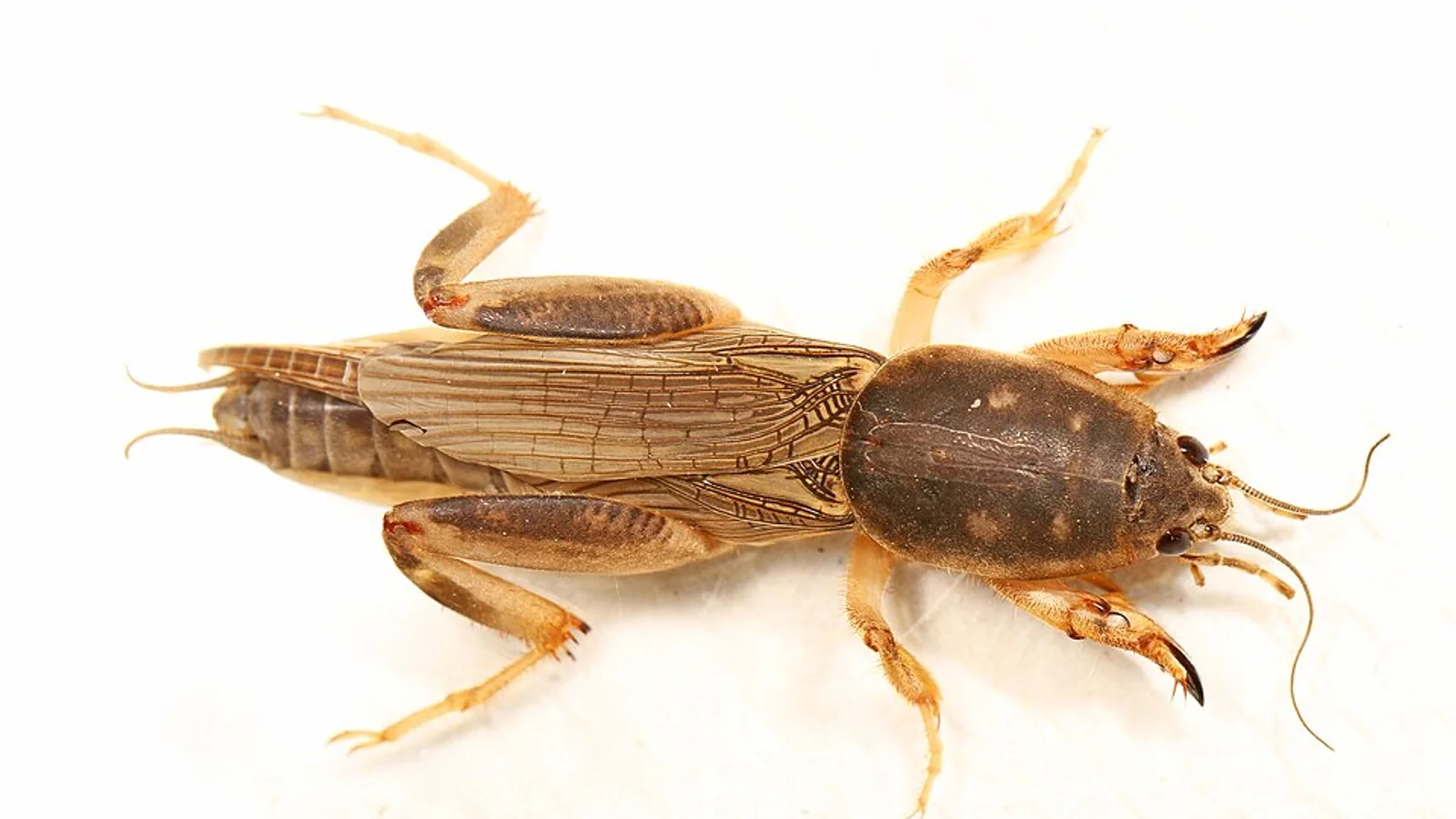
Do not diagnose insects from brown color. In St. Augustinegrass, test for chinch bugs at the active margin with a bottomless can pressed 3 inches into the soil and kept full of water for five minutes; UF/IFAS says to repeat the test at least four times. For suspected mole crickets, a UF/IFAS soap flush uses 1.5 ounces of liquid dish soap in 2 gallons of water over 4 square feet; two to four crickets surfacing within three minutes supports corrective action. Caterpillars require confirmed larvae plus fresh chewing. Product use remains a separate, label- and credential-governed decision.
Insects are an easy suspect when a lawn turns yellow or brown, but the driveway view cannot confirm them. Drought, a missed sprinkler arc, large patch, take-all root rot, scalping, traffic, dormancy, and product injury can look remarkably similar. Treating the color instead of finding the insect may add another stress to turf that was already struggling.
A better approach begins with the grass species and the part of the plant that is damaged. Chinch bugs feed near the base of St. Augustinegrass, mole crickets live and tunnel in soil, and caterpillars remove leaf tissue. Each calls for different scouting evidence. Even after a pest is identified, presence does not always mean a property-wide treatment is justified. Integrated pest management considers the amount of active injury, cultural conditions, natural enemies, and the least disruptive effective response.
Start with the turf, pattern, and recent history
Identify whether the lawn is St. Augustinegrass, centipedegrass, bahiagrass, bermudagrass, zoysiagrass, or a mixture. Pest likelihood and product tolerance change with the species. Map where injury begins: along a hot curb, in a wet low area, on a high dry spot, beneath lights, or across an irrigation boundary. Photograph the margin between healthy and declining turf, where active pests may be easier to find than in a long-dead center.
Review weather, irrigation output, mowing height, recent applications, traffic, and seasonal dormancy. Perform a catch-can test when a dry pattern follows sprinkler coverage. Inspect roots and the soil surface, not just leaves. If a patch expands during a warm rainy period, disease may remain possible; if it appears after a low cut, mowing injury deserves attention. This short history prevents a pest search from becoming the only explanation considered.
- Confirm the turf species or mixture.
- Map damage boundaries and relation to sun, pavement, moisture, and sprinkler zones.
- Check leaf chewing, crowns, roots, thatch, and the upper soil.
- Review mowing, weather, irrigation, traffic, and recent treatments.
- Seek actual insects or signs before deciding that pests are responsible.
Southern chinch bugs and St. Augustinegrass
Southern chinch bug is a major St. Augustinegrass pest, but its usual sunny, drought-stressed setting is also where irrigation gaps appear first. UF/IFAS recommends a flotation test at the advancing edge: press a bottomless metal can about 3 inches into the soil, keep it filled with water for five minutes, and watch for bugs floating up. Repeat the test at least four times around the perimeter because chinch bugs are patchy, not evenly distributed.
Cultural care affects how well the lawn tolerates injury. Maintain the correct St. Augustinegrass height, avoid excess nitrogen and water, and correct drought stress without keeping soil continually wet. Repeated broad insecticide use can disrupt beneficial organisms and select for resistance, so treatment should follow confirmed activity and current UF/IFAS guidance. If sampling is inconclusive, Extension or a qualified pest professional can distinguish chinch bugs from look-alike stress.
Yellow or brown St. Augustinegrass does not prove chinch bugs. Find and identify the insect at the active margin before considering control.
Mole crickets work below the surface
Mole crickets can damage turf by tunneling and feeding in the upper soil, disrupting roots and loosening the surface. Affected grass may thin, wilt, or feel poorly anchored, and small tunnels or disturbed soil can appear. Those clues still overlap with drought, root disease, grubs, and other problems. UF/IFAS integrated management begins with observing damage, collecting specimens, and identifying which mole cricket is present.
A soap flush gives tunneling a reality check. UF/IFAS describes mixing 1.5 ounces of liquid dishwashing soap with 2 gallons of water and applying it evenly over 4 square feet of turf. If two to four mole crickets surface within three minutes, the published threshold supports corrective action. Soil moisture affects extraction, so a dry failed test is not conclusive. Confirm the insect and active damage before turning a tunnel into a pesticide decision.
Lawn caterpillars remove leaf tissue
Armyworms, sod webworms, and related caterpillars may chew turf leaves, creating notched blades, thinning, or rapidly expanding areas when populations are high. Activity can be easier to notice early or late in the day, and birds feeding in a lawn may prompt inspection, though birds do not identify the pest. Look for chewed foliage, small caterpillars, frass, or silk near the thatch and confirm the species or pest group.
Caterpillar injury differs from the root disruption associated with mole crickets and the piercing-sucking feeding of chinch bugs, but a severely thinned lawn can look brown in all three cases. Check that blade loss is not from a dull mower or scalping. Many insects in turf are harmless or beneficial, so finding one caterpillar is not a diagnosis. Estimate how broadly active feeding is occurring before choosing a response.
- Chinch bug clue: confirmed insects near lower St. Augustinegrass stems and an active margin.
- Mole cricket clue: confirmed tunneling insects associated with root-zone disruption.
- Caterpillar clue: confirmed larvae with actively chewed leaf tissue.
- Look-alikes: drought, irrigation gaps, mowing injury, disease, dormancy, or treatment injury.
Use integrated pest management and current labels
Integrated pest management follows a practical sequence: inspect, identify, assess the amount of active damage, correct cultural stress, conserve beneficial organisms, and select a targeted response only when needed. Keep notes and photos so a recurring problem can be compared over time. A lawn that remains stressed by wrong mowing height, excessive water, or poor site fit may continue to decline even if a pest population is reduced.
If pesticide use is justified, the EPA label is legally enforceable. Confirm that it names the pest and permits use on the turf and site; follow application, weather, personal protective equipment, buffer, reentry, and disposal directions exactly. Florida credentials for commercial pesticide work are separate from ordinary mowing or fertilizer credentials. Verify the business and applicator as appropriate, and never infer that a lawn-maintenance provider offers pest control unless that regulated service is explicitly confirmed.
This guide does not prescribe a pesticide. Identification, active damage, the current label, site conditions, local requirements, and applicator credentials all come first.
Common questions
Frequently asked questions
How can I tell chinch bugs from drought stress?
Both can produce yellow or brown St. Augustinegrass, especially in sunny areas. Check soil moisture and sprinkler coverage, then inspect the advancing edge at lower stems and thatch for identifiable chinch bugs. A pattern alone is insufficient. If insects are not confirmed or the evidence conflicts, use UF/IFAS Extension or a qualified pest professional before treatment.
Do birds feeding in my lawn prove I have damaging insects?
No. Bird activity is a reason to look more closely, not proof of a pest or a treatment threshold. Birds eat many organisms, including ones that do not harm turf. Inspect leaves, thatch, roots, and soil; collect and identify suspected pests; and determine whether active feeding corresponds with the lawn damage.
Can a mowing company apply products for lawn insects?
Do not assume so. Florida regulates commercial pest-control work, and authority to mow or even a fertilizer credential does not by itself authorize pesticide application or operation of a pest-control business. Ask what service is being offered, verify the relevant business and applicator credentials through FDACS, and require all work to follow the current product label.
Sources and local guidance
This educational guide was prepared using the primary resources below. Product labels and current local rules always take priority.
- Centipedegrass for Florida Lawns (University of Florida IFAS Extension)
- Mole Cricket IPM Guide for Florida (University of Florida IFAS Extension)
- Southern Chinch Bug (University of Florida IFAS Extension)
- Introduction to Pesticide Labels (United States Environmental Protection Agency)
- Shortwinged Mole Cricket (University of Florida IFAS Extension)
Keep reading
Related lawn care guides
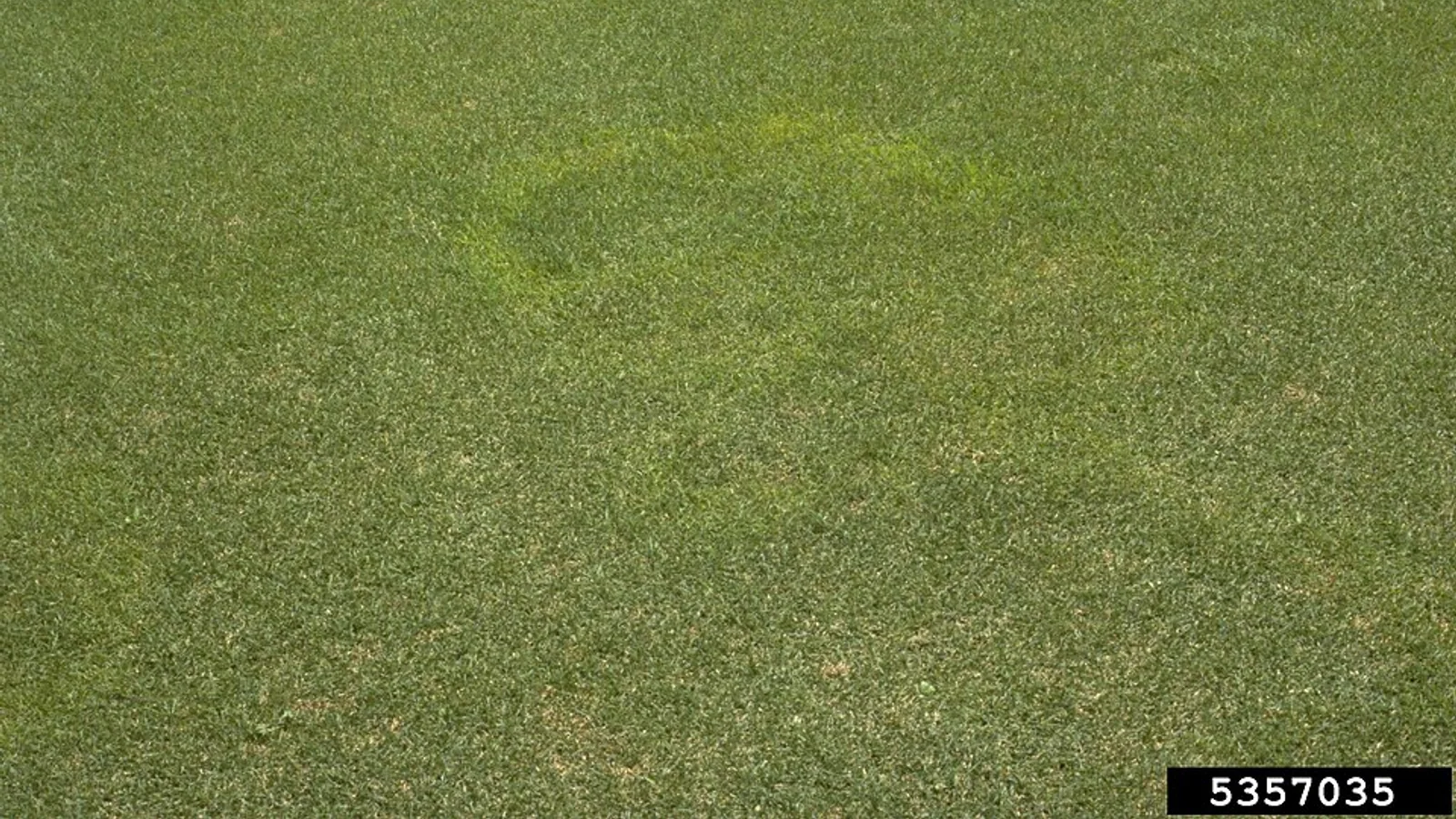
Brown Spots in a Florida Lawn: What Should You Check?
Brown patches can come from drought, irrigation gaps, mowing, dormancy, insects, disease, roots, or injury. Follow the evidence before treating.
Read the guide
St. Augustinegrass Care in Northwest Florida
Healthy St. Augustinegrass starts with the right cultivar, a higher mowing cut, irrigation based on drought signs, and careful diagnosis of brown areas.
Read the guide
7 Signs You May Be Overwatering Your Florida Lawn
Soggy soil is only one clue. Learn how to investigate persistent moisture, weeds, runoff, weak roots, and recurring lawn trouble before changing irrigation.
Read the guideLocal lawn care
Need help with your Okaloosa or Walton County lawn?
Ask about lawn mowing, yard cleanup, tree and shrub trimming, bed maintenance, weed control, mulching, or debris removal. Service and address availability must be confirmed.