
Seasonal & Storm Care
Post-Storm Yard Cleanup: A Safe Order of Operations
What to inspect first, what to leave alone, and how to protect saturated turf while cleaning a Panhandle property after severe weather.
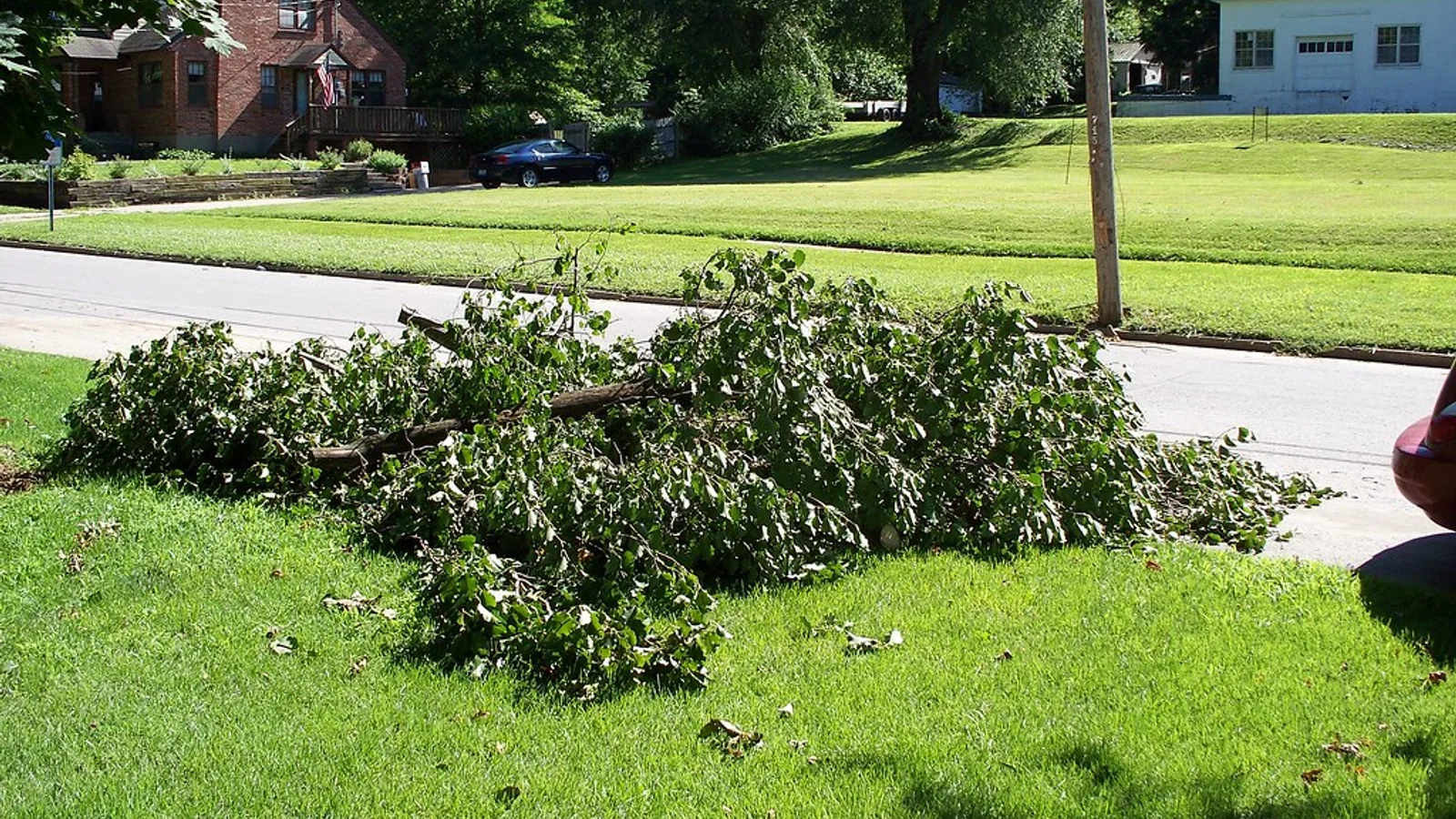
Clean up in five passes: wait for official clearance; screen for power, gas, floodwater, tree, and structural hazards; photograph damage; sort debris under the current rules for the exact address; then protect saturated turf and restore normal mowing. Do not bring equipment onto the lawn while standing water remains or while a boot or tire leaves a deep impression.
Branches scattered across a lawn create an understandable urge to start dragging and cutting. Resist it long enough to make one careful survey. Downed electricity, unstable trees, damaged structures, contaminated floodwater, sharp objects, and washed-out ground can turn a cleanup job into an emergency. The correct order is safety, documentation, debris instructions, turf protection, and finally normal maintenance.
Okaloosa and Walton County procedures can change for each storm. Disaster collection may be activated only for a declared event, and the rules can differ inside a city, in unincorporated areas, on private roads, or under a private hauler. Use this order of operations as a decision framework, not as permission to ignore current emergency or collection notices.
Begin with hazards, not the rake
Survey the property from a safe location. Treat every downed line as energized, stay away from anything touching it, and contact the utility or emergency services. Do not enter standing water where electrical, sewage, chemical, wildlife, or unstable-ground hazards may be present. If you smell gas or see structural movement, leave the area and follow official instructions.
Storm-damaged trees can shift without warning. A suspended limb, split trunk, lifted root plate, new lean, or branch entangled with a line is an automatic stop, not a larger cleanup task. A lawn-maintenance crew is not a substitute for a utility crew or certified arborist. Keep people, pets, and equipment away from the tree and the area it could strike until the hazard is resolved.
- Call the utility for downed or entangled electrical lines.
- Use qualified tree professionals for suspended limbs and unstable trees.
- Wear sturdy footwear and appropriate protective gear for minor, safe debris.
If there is any doubt about electricity, structural stability, floodwater, or a damaged tree, stop and call the appropriate professional.
Document damage and read the current debris notice
Take clear photos before moving material when it is safe to do so, especially if insurance, a landlord, an HOA, or a property manager may need a record. Separate personal-property damage from landscape debris in your notes. Do not delay emergency actions solely for photographs, and do not cross a hazard area to get a better angle.
Next, find the current official instructions for the exact address. Walton disaster guidance may require vegetative debris, construction material, appliances, electronics, and household hazardous waste to be separated. Okaloosa directs residents to the relevant municipality or hauler and notes special issues for private roads. Instructions for one event or jurisdiction should not be reused for another.
- Keep piles away from storm drains, traffic lanes, mailboxes, hydrants, and utility boxes.
- Confirm whether collection has been activated before placing storm debris out.
- Ask any hired contractor who is responsible for removing material they generate.
Protect saturated turf during cleanup
Wet Panhandle soil can rut and compact under mower tires, trailers, wheelbarrows, and repeated foot traffic. Use a simple field check before bringing in equipment: walk the proposed route and turn normally. If water rises around a shoe, the surface pumps, or a footprint remains deeply pressed into the soil, wait. When limited access is necessary, confine it to a safe route without creating a runoff channel toward a structure or neighboring property.
Remove debris or deposited silt that blocks light and air from reaching turf, but do not churn mud into the canopy. If saltwater flooding is possible, note the depth and duration, photograph symptoms, and consider soil or water testing before adding amendments. UF/IFAS cautions that gypsum is not an automatic remedy for salt exposure on sandy soil.
- Lift small debris rather than dragging it across soft turf.
- Flag irrigation heads and shallow utilities before moving equipment.
- Repair severe ruts only after drainage and soil moisture return to workable conditions.
Restart lawn care in stages
Inspect the irrigation system for broken heads, exposed lines, shifted controllers, and electrical damage before running it. Suspend irrigation after adequate rain and do not assume a brown or flattened area needs immediate water or fertilizer. Turf can be bruised, buried, salt-stressed, diseased, or simply dormant; those problems need different responses.
Resume mowing only after standing water, hidden debris, and rutting risk have passed. Walk the entire mower path first; nails, wire, roof fragments, and small branches can hide below flattened grass. Use a sharp blade at the normal species height. If the storm delay leaves more than one-third of the leaf above the target, make the first cut higher and return the lawn gradually instead of forcing it down in one visit.
A safe, gradual recovery beats a fast cosmetic cleanup. Solve hazards and drainage first, then restore normal mowing as the property becomes workable.
Common questions
Frequently asked questions
Can I mow immediately after the storm passes?
Only after officials say conditions are safe, the yard has been checked for lines and hidden debris, standing water is gone, and the soil can support the mower without rutting. Walk the route first. If grass is very tall, reduce it over more than one mowing rather than cutting below the recommended height.
Will the county collect debris made by my landscaper or tree contractor?
Do not assume so. Current county guidance can make the hired contractor responsible for removing contractor-generated material, and city or hauler rules may differ. Put disposal responsibility in the written scope before work begins and check the current event-specific instructions for the property address.
Sources and local guidance
This educational guide was prepared using the primary resources below. Product labels and current local rules always take priority.
- Promoting Turf Recovery Following a Hurricane (UF/IFAS Extension)
- Disaster Debris Frequently Asked Questions (Walton County)
- Debris Pickup Before and After a Storm (Okaloosa County)
Keep reading
Related lawn care guides
How to Prepare Your Lawn and Landscape Before a Panhandle Storm
A calm, safety-first checklist for preparing lawns and landscapes in Okaloosa and Walton Counties before tropical weather arrives.
Read the guide
Can a Salt-Damaged Coastal Lawn Recover?
Salt spray and storm flooding can injure Panhandle turf, but the right recovery plan depends on exposure, drainage, grass type, and root survival.
Read the guide
Should You Leave Grass Clippings on a Florida Lawn?
Routine clippings can return nutrients and organic matter to turf, but heavy clumps and material on hard surfaces need a different approach.
Read the guideLocal lawn care
Need help with your Okaloosa or Walton County lawn?
Ask about lawn mowing, yard cleanup, tree and shrub trimming, bed maintenance, weed control, mulching, or debris removal. Service and address availability must be confirmed.