
Seasonal & Storm Care
How to Prepare Your Lawn and Landscape Before a Panhandle Storm
A calm, safety-first checklist for preparing lawns and landscapes in Okaloosa and Walton Counties before tropical weather arrives.

Prepare the yard before a watch is issued: secure loose items, keep normal drainage paths open, store equipment safely, and arrange tree inspections early. Stop and call the utility or a qualified tree professional if you see a limb near a power line, a hanging branch, a split trunk, a lifted root plate, or a new lean toward a structure. Mow only at the normal species height while conditions are safe, and do not create a fresh debris pile shortly before landfall.
The worst time to decide what to do with a questionable limb is after a hurricane watch appears. A storm-ready yard in Okaloosa or Walton County is built during ordinary weeks, when there is time to inspect trees, keep drainage paths open, and decide where equipment and loose objects will go. Rushed cutting can leave more material outdoors, not less.
The Atlantic hurricane season officially runs from June 1 through November 30, yet a named storm can threaten the Panhandle with only a few days of notice. Use this guide as a property checklist, then follow the National Hurricane Center, local emergency management, your utility, and any evacuation orders. Lawn appearance is never more important than personal safety.
Build storm readiness into routine maintenance
Walk the property in calm weather and look up before looking down. Dead or hanging branches, cracks where two trunks meet, split trunks, newly leaning trees, exposed or lifted root plates, and limbs in the utility corridor all deserve attention. Also note blocked swales, damaged fences, loose border material, and irrigation parts that stand above grade.
UF/IFAS hurricane research found better survival in properly pruned trees and warns against topping and large, poorly placed cuts. Use a clear stop rule: if a branch is suspended, the trunk or root plate has shifted, a power line is involved, or the work would require climbing or overhead chainsaw use, do not treat it as routine yard work. Contact the utility for line conflicts and a certified arborist for tree-risk assessment.
- Photograph the yard and major landscape features for a pre-storm record.
- Move routine tree inspections and structural pruning to well before hurricane watches.
- Know which gates and access points emergency or utility crews may need.
Never climb, use a chainsaw overhead, or work near utility lines. High or hazardous tree work belongs with qualified professionals.
Prepare the lawn without scalping it
If the lawn is due for service and conditions are still safe, mow at the normal height for the turf species. Cutting unusually low does not protect grass from a storm; it removes leaf area the plant needs for recovery and can expose soil to erosion. Collect only heavy clumps and clear grass from pavement, gutters, and drains.
Pause automatic irrigation when substantial rain is expected, unless current official guidance says otherwise. Check that rain or soil-moisture shutoff equipment is working and that sprinkler heads are not leaking. Do not apply fertilizer or lawn products immediately before heavy rain, when they may wash away from the intended area and enter stormwater.
- Clear leaves and ordinary debris from visible drains without entering floodwater.
- Confirm downspouts discharge as designed and are not blocked by yard material.
- Do not make major grading changes immediately before a storm.
Secure equipment and loose outdoor items
Move mowers, trimmers, fuel containers, fertilizers, pesticides, hoses, toys, furniture, planters, and small decorations into an appropriate protected location. A shed is useful only if it is itself secured. Follow product instructions for fuel and chemical storage, keep materials dry, and never store gasoline where fumes could collect inside living space.
Walk the property from the street toward the house and imagine what could move in strong wind. Lightweight pots, hanging baskets, temporary signs, loose lumber, and garden tools are easy to overlook. Secure gates and doors without blocking an evacuation route. If a portable irrigation controller or outdoor electrical component can be disconnected safely according to its instructions, do so before conditions deteriorate.
- Bring in objects rather than tying several loose pieces together outdoors.
- Keep emergency paths, utility equipment, and drainage features accessible.
- Charge tools only while power and conditions are normal; follow battery storage instructions.
Avoid creating a last-minute debris problem
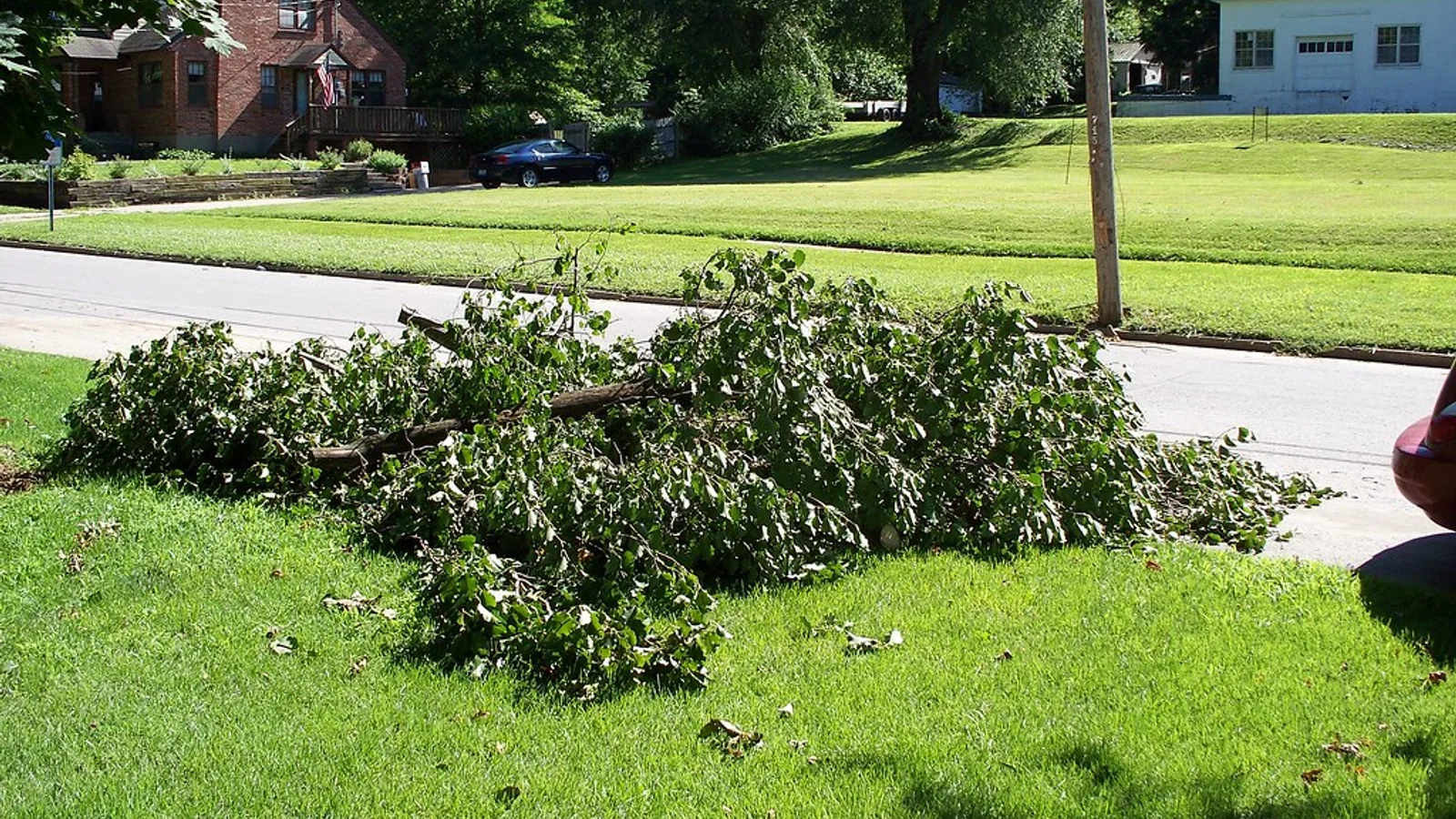
Do not begin major pruning when regular collection may already be suspended. A fresh curbside pile can become windborne, obstruct drainage, or block the public right-of-way. Routine collection rules vary among municipalities, unincorporated areas, and haulers, and emergency storm-debris procedures may be activated separately.
If a contractor creates landscape debris, confirm in writing who removes it. Current county guidance can exclude contractor-generated material from ordinary or disaster collection. Before placing anything at the curb, check the instructions for the exact service address and event. Keep debris out of travel lanes, drainage structures, fire hydrants, mailboxes, and utility equipment.
Storm instructions change by event and jurisdiction. Use current county, city, hauler, and emergency-management notices, not an old social post, as the final authority.
Common questions
Frequently asked questions
Should I cut my grass extra short before a hurricane?
No. Mow at the normal recommended height for the turf species and follow the one-third rule. Scalping reduces healthy leaf area and can make recovery harder. The useful pre-storm step is clearing clippings and leaves from pavement and drainage paths, not lowering the deck beyond the lawn's normal range.
When should trees be pruned for hurricane season?
Schedule structural pruning and risk assessment during calm weather, well before a storm watch. Stop and seek qualified help for a hanging limb, split trunk, lifted root plate, new lean, branch in the utility corridor, or any cut that requires climbing or overhead chainsaw work. Contact the utility about line conflicts and use a certified arborist for tree-risk assessment.
Sources and local guidance
This educational guide was prepared using the primary resources below. Product labels and current local rules always take priority.
- Wind and Trees: Lessons Learned from Hurricanes (UF/IFAS Extension)
- Tropical Cyclone Climatology (NOAA National Hurricane Center)
- Debris Pickup Before and After a Storm (Okaloosa County)
Keep reading
Related lawn care guides
Post-Storm Yard Cleanup: A Safe Order of Operations
What to inspect first, what to leave alone, and how to protect saturated turf while cleaning a Panhandle property after severe weather.
Read the guide
Can a Salt-Damaged Coastal Lawn Recover?
Salt spray and storm flooding can injure Panhandle turf, but the right recovery plan depends on exposure, drainage, grass type, and root survival.
Read the guide
Florida Panhandle Lawn Care Calendar: A Season-by-Season Guide
Use turf growth, weather, and lawn conditions, rather than a one-size-fits-all date, to plan a healthier Florida Panhandle yard through every season.
Read the guideLocal lawn care
Need help with your Okaloosa or Walton County lawn?
Ask about lawn mowing, yard cleanup, tree and shrub trimming, bed maintenance, weed control, mulching, or debris removal. Service and address availability must be confirmed.