
Local Lawn Care
Lawn Care for Panhandle Second Homes and Vacation Rentals
Absentee ownership changes the communication plan: recurring service needs clear access, approvals, completion updates, and storm-related responsibilities.
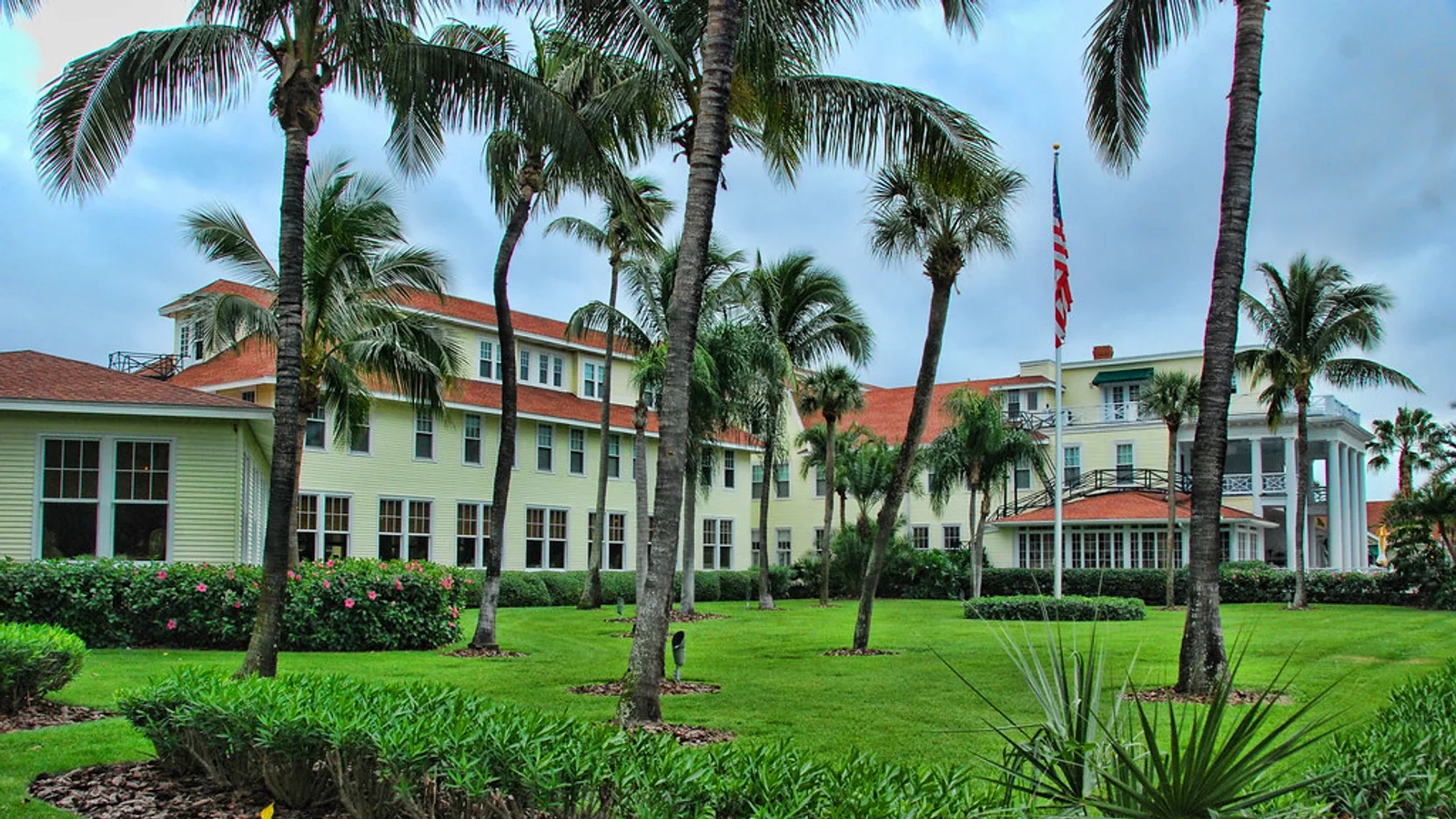
Use three remote-property routines. At every visit, confirm access, complete the agreed scope, secure the gate, and send the agreed completion note or representative photo. During active growth, have a designated person review irrigation and visible drainage at least monthly and after unusual weather. Before hurricane season and after each named-storm impact, refresh contacts, access, inspection authority, and debris responsibility.
A primary-residence lawn has an informal monitoring system: someone sees it most days. A second home does not. A locked gate, broken sprinkler, fallen branch, parked vehicle, or fast-growing strip can sit unnoticed until a guest or neighbor complains. Remote maintenance therefore needs a reporting routine, an approval boundary, and named backup contacts.
Properties across Okaloosa and Walton Counties also differ in salt exposure, shade, turf species, drainage, HOA expectations, occupancy patterns, and storm access. Avoid a one-size plan based on the words coastal rental or second home. Document the actual site and decide in advance who receives updates and who can authorize work when the owner is away.
Define the recurring appearance and scope
List the turf areas, mowing height, and agreed lawn-maintenance tasks included in each visit. Define flower bed maintenance, weed control, mulching, tree and shrub trimming, yard cleanup, and debris removal separately when they are needed. If guest-facing appearance matters on specific days, explain the goal while recognizing that rain and unsafe ground conditions can change a route.
Photograph gates, irrigation heads, fragile borders, parking constraints, and areas that should not be entered. For a vacation rental, decide how outdoor furniture, toys, vehicles, trash containers, and guest pets affect access. The maintenance provider should not be expected to move personal property or enter an occupied space without an agreed process.
- Create a simple property map with included and excluded zones.
- Name the contact for guests, property management, and maintenance approvals.
- Set expectations for blocked access and weather delays.
Build a useful communication routine
Choose one primary contact and one backup. For every visit, agree on a short closeout: access gained or blocked, scope completed, gate secured, and either a message or representative photo. Immediate-contact observations should include a broken sprinkler, standing water, newly fallen limb, open or damaged gate, visible storm damage, or an area that could not be serviced. Reporting an observation is not the same as diagnosing or repairing it.
Set a clear boundary for extra work. Routine clumps may be dispersed during mowing, while a fallen limb, heavy leaf load, new mulch, or bed cleanup needs approval. Use a written approval method and spending limit only if the provider accepts it. Never give blanket authorization for hazardous trees, electrical problems, contaminated water, or regulated treatment work.
- Keep phone, email, gate, and property-manager information current.
- Document who may approve additional cleanup and by what method.
- Report changes in occupancy, construction, pets, or access before service day.
Plan for irrigation, storms, and extended vacancy
An automatic controller can keep running after rain or a broken head. Florida law requires properly installed and maintained technology that interrupts an automatic landscape system during sufficient moisture. During active growth, assign a property manager or appropriate irrigation provider to make at least a monthly visual review of the controller display, shutoff-device condition, obvious leaks, spray onto pavement, and persistent wet or dry zones, with another review after unusual weather. A mowing crew may report symptoms, but irrigation diagnosis and repair need their own scope.
Before hurricane season, secure loose items and define who can access the property. After a storm, life safety, utilities, unstable trees, floodwater, and official instructions come before mowing. Disaster debris procedures vary by event and jurisdiction, and contractor-generated material may remain the contractor's responsibility. Put post-storm inspection and debris decisions in a separate plan.
A recurring mowing agreement is not an emergency-response contract. Decide separately who inspects, documents, authorizes, and removes storm damage.
Keep address-specific rules and records current
Confirm whether the property lies inside a municipality or unincorporated county and identify the utility, waste hauler, and HOA when applicable. Watering restrictions, yard-waste set-out, noise, parking, and storm-debris instructions can differ. Do not apply one Okaloosa or Walton rule to every city or reuse a notice from a previous storm.
Keep the written lawn scope, insurance or credential checks for any regulated work, service contacts, access record, and approval history together. Review the plan when ownership, manager, tenant, HOA, landscape, or provider changes. Good records make remote decisions faster and reduce the chance that a guest request silently changes the owner's agreement.
- Store current HOA, municipality, utility, waste-hauler, and emergency links with the property record.
- Review access codes, contacts, and authorization at the start of each growing and storm season.
- Update the scope after new sod, beds, fencing, irrigation, construction, or a change in occupancy.
- Keep dated completion notes and approvals in one place instead of relying on guest messages.
Common questions
Frequently asked questions
Should a vacation rental lawn be serviced immediately before every guest?
Not always. Turf growth, safe ground conditions, route logistics, and the agreed interval matter. Discuss high-occupancy periods and appearance goals, but allow for rain delays that protect the lawn. A consistent plan plus guest communication is more realistic than guaranteeing a cut on every turnover date.
Can my lawn company handle storm debris while I am away?
Only if that work is within its safe capabilities and a separate scope defines inspection, authorization, disposal, and access. Downed lines, unstable trees, floodwater, structural hazards, and large limbs require utilities, emergency services, arborists, or other specialists. Local disaster collection rules also change by event.
Sources and local guidance
This educational guide was prepared using the primary resources below. Product labels and current local rules always take priority.
- Selecting a Landscape Contractor and Model Contract (UF/IFAS Extension)
- Florida Statutes Section 373.62: Automatic Sprinkler Systems (Florida Legislature)
- Disaster Debris Frequently Asked Questions (Walton County)
Keep reading
Related lawn care guides
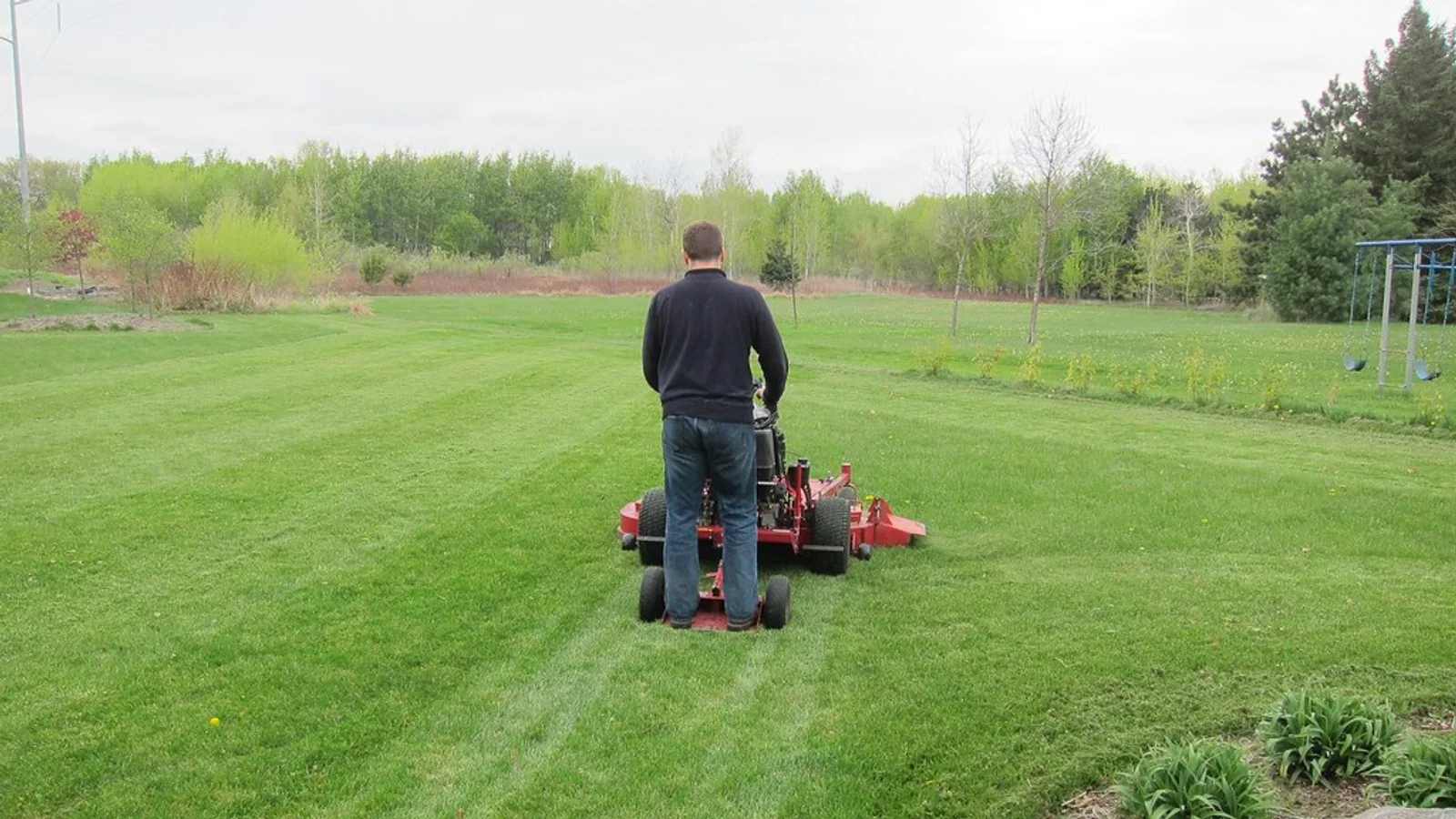
How to Choose a Lawn Care Company in Okaloosa or Walton County
A useful lawn-service comparison goes beyond price: define the work, ask how the provider communicates, and verify credentials for regulated services.
Read the guide
What Does a Recurring Lawn Service Include?
Recurring lawn service should define mowing, lawn maintenance, frequency, access, debris handling, and which optional yard tasks are included.
Read the guide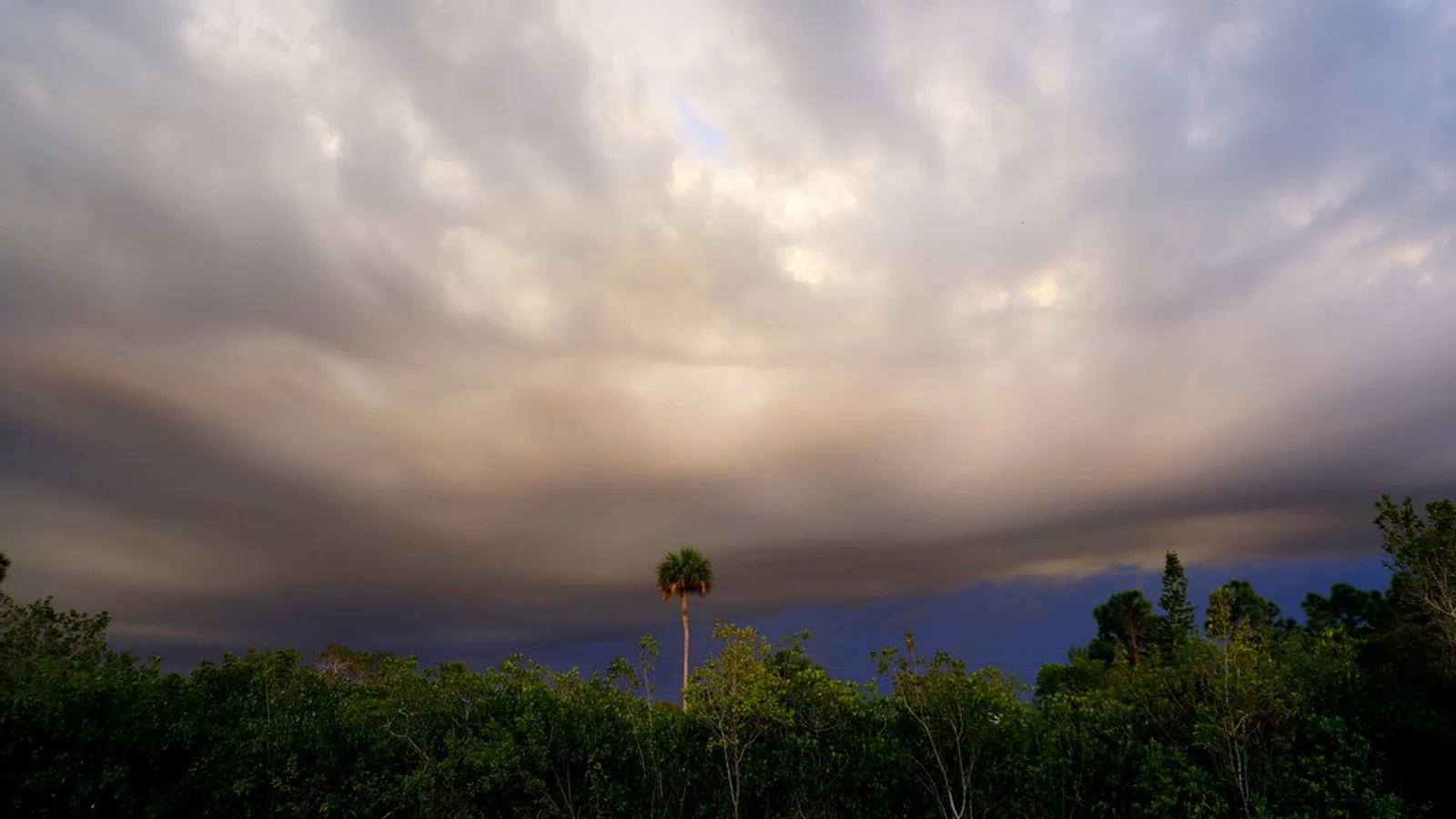
How to Prepare Your Lawn and Landscape Before a Panhandle Storm
A calm, safety-first checklist for preparing lawns and landscapes in Okaloosa and Walton Counties before tropical weather arrives.
Read the guideLocal lawn care
Need help with your Okaloosa or Walton County lawn?
Ask about lawn mowing, yard cleanup, tree and shrub trimming, bed maintenance, weed control, mulching, or debris removal. Service and address availability must be confirmed.