
Local Lawn Care
How to Choose a Lawn Care Company in Okaloosa or Walton County
A useful lawn-service comparison goes beyond price: define the work, ask how the provider communicates, and verify credentials for regulated services.
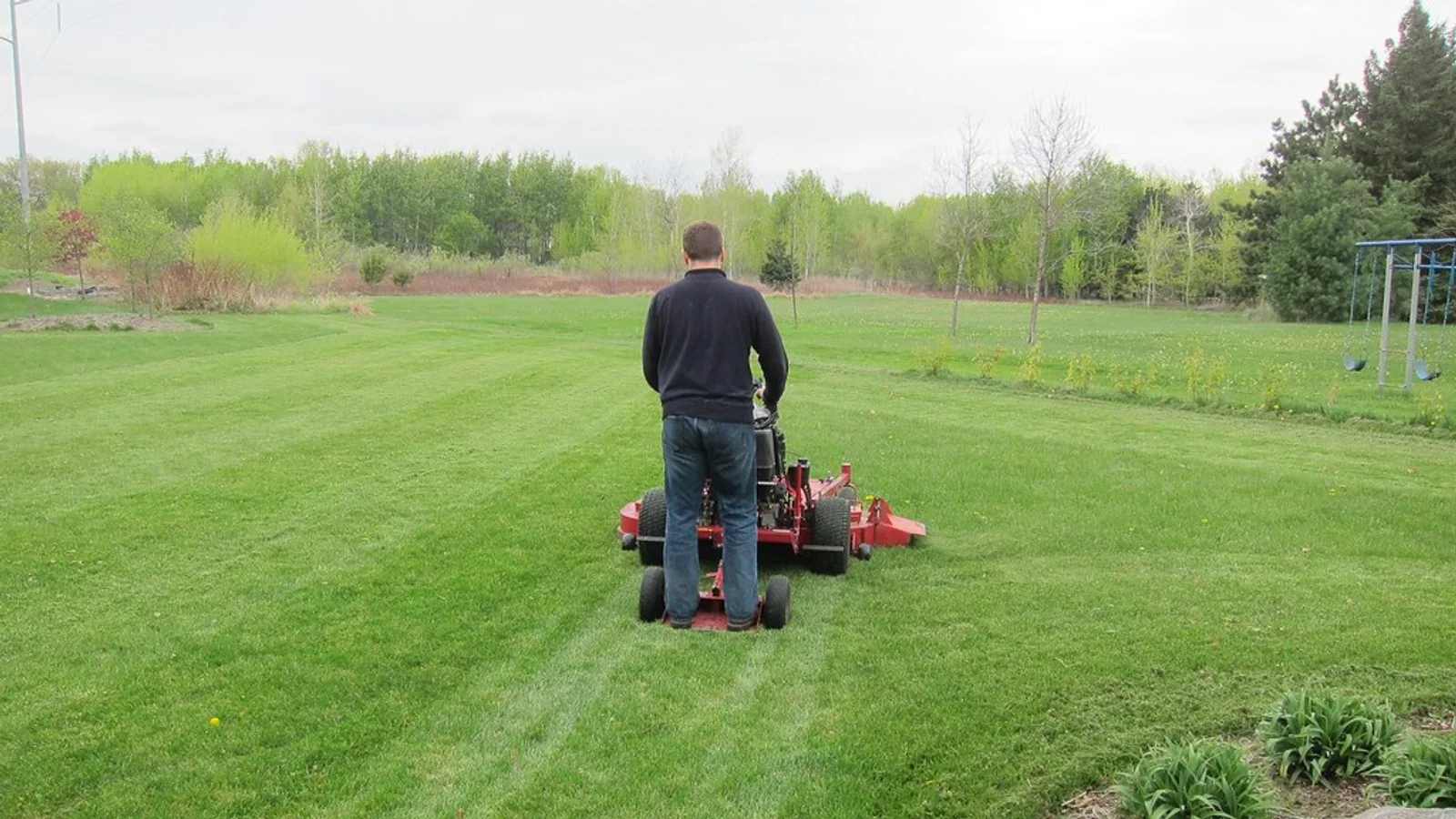
Give each lawn company the same property brief, then compare written answers to ten points: included turf areas, target mowing height, visit frequency, wet-weather policy, clippings, hard-surface cleanup, gate and pet procedure, optional-work approval, debris disposal, and credentials for any regulated treatment. Verify the credential that matches the task and compare complete scopes, not just totals.
Three lawn quotes can describe three different jobs. One may cover only the turf, another may include agreed flower bed work, and a third may include a regulated treatment that requires separate credentials. The lowest total tells you very little until the visit frequency, cleanup, and exclusions line up.
Start with a one-page property brief. Mark the turf areas, gates, slopes, soft spots, obstacles, pets, irrigation heads, fragile features, preferred contact, and seasonal cleanup needs. Send the same brief to every provider. You are not trying to design the contractor's route; you are making sure each proposal answers the same problem.
Define the service before comparing quotes
List the recurring mowing and agreed lawn-maintenance work you expect. Define flower bed maintenance, weed control, mulching, tree and shrub trimming, yard cleanup, and debris removal separately when you need them. Ask whether price and timing change when growth accelerates, rain delays service, or access is blocked.
Be precise about what is not part of ordinary lawn maintenance. Irrigation repair, drainage construction, hazardous tree work, fertilizer, herbicide, insecticide, and disease treatment require different skills and, in some cases, Florida credentials. A provider who identifies a possible issue and recommends the appropriate specialist may be protecting the property rather than avoiding work.
- Which exact turf areas and lawn-maintenance tasks are included on every visit?
- Which beds, fences, pools, play equipment, irrigation parts, and no-go zones affect the work?
- Which cleanup, trimming, mulching, or debris-removal tasks need separate approval?
- Who transports material created by optional cleanup or tree and shrub trimming?
Ask about mowing standards and property protection
A company should be able to discuss mowing height by turf type rather than promising one short cut for every lawn. As a useful test, standard St. Augustinegrass is generally maintained around 3.5 to 4 inches, and a 4-inch lawn should be mowed before it grows beyond 6 inches to preserve the one-third rule. Centipedegrass, bahiagrass, bermudagrass, dwarf St. Augustine cultivars, and zoysiagrass need different settings, so one deck height for every property is a weak answer.
Discuss gates, pets, irrigation heads, exposed roots, vehicles, outdoor furniture, and how the crew handles a property that is too wet to mow safely. Ask how hard surfaces are cleared and confirm that clippings will not be blown into streets, drains, ponds, or neighboring property. These details reveal more about workmanship than a promise that the yard will look good.
- Confirm how the mower height is chosen for your grass.
- Ask what happens after heavy rain or an unexpected access problem.
- Point out fragile features before the first service.
Verify the credentials that match the work
Ask about business insurance appropriate to the service and verify references when the scope is substantial. For regulated work, check the credential itself rather than treating every lawn company as interchangeable. Florida requires certification for commercial urban-landscape fertilizer application, and that credential does not automatically authorize pesticide application or operation of a pest-control business.
FDACS says active pest-control companies receive a numbered annual business license and gives consumers a database for checking a company or applicator. Ask for the number and verify it when pesticide work is proposed. Fertilizer certification is separate and does not automatically authorize pesticide service. Tree-risk assessment and hazardous tree work belong with qualified tree professionals. A clear provider will say what it can do, what it excludes, and when it will refer an issue.
Match the credential to the task. Mowing experience, fertilizer certification, pest-control licensing, irrigation contracting, and arborist qualifications are not the same thing.
Evaluate communication and the working agreement
Ask who your contact is, how schedule changes are communicated, and how to report a gate, pet, event, irrigation leak, or property concern. Clarify payment timing, cancellation, skipped visits, and whether the agreement renews. If the property is a rental or second home, decide who can approve extra work and how photos or completion notes will be shared.
Compare complete proposals side by side. A higher quote may include more frequent service, more detailed maintenance, difficult access, or cleanup that another omits. A lower quote may be right when the scope is genuinely smaller. The useful question is whether the service, expectations, and communication fit the property, not whether one universal package is best for every yard.
- Keep the agreed scope and contact information in writing.
- Revisit the scope when the property, tenant, landscape, or season changes.
- Report concerns promptly and specifically so they can be evaluated.
Common questions
Frequently asked questions
Should a lawn care quote include fertilizer and weed treatment?
Fertilizer is included only when clearly listed and handled by a provider with the credential required for that work. Weed control also needs an explicit scope and a clearly identified method. Many recurring maintenance quotes cover only mowing and agreed lawn-maintenance tasks. Do not assume a visual inspection, mowing agreement, or fertilizer certification includes pest-control services.
What should I tell a lawn company before the first visit?
Share the grass areas, access instructions, gate or pet requirements, irrigation-head locations, fragile borders, hidden obstacles, preferred mowing concerns, parking limits, and desired communication method. Also identify who can approve optional work and who is responsible for debris removal.
Sources and local guidance
This educational guide was prepared using the primary resources below. Product labels and current local rules always take priority.
- Selecting a Landscape Contractor and Model Contract (UF/IFAS Extension)
- Guidelines for Hiring a Florida-Friendly Landscape Professional (UF/IFAS Extension)
- Commercial Fertilizer Applicator Requirements (Florida Department of Agriculture and Consumer Services)
- How to Verify a Pest-Control Company (Florida Department of Agriculture and Consumer Services)
Keep reading
Related lawn care guides

What Does a Recurring Lawn Service Include?
Recurring lawn service should define mowing, lawn maintenance, frequency, access, debris handling, and which optional yard tasks are included.
Read the guide
What Affects Lawn Care Pricing in Okaloosa and Walton Counties?
Lot size matters, but so do gates, obstacles, growth rate, detail work, terrain, service frequency, cleanup, and the exact work included in each visit.
Read the guide
DIY vs. Professional Lawn Care: Which Is Right for Your Yard?
The right choice depends on your time, equipment, comfort, property complexity, and expectations, not on the idea that one approach fits every homeowner.
Read the guideLocal lawn care
Need help with your Okaloosa or Walton County lawn?
Ask about lawn mowing, yard cleanup, tree and shrub trimming, bed maintenance, weed control, mulching, or debris removal. Service and address availability must be confirmed.