
Local Lawn Care
What Affects Lawn Care Pricing in Okaloosa and Walton Counties?
Lot size matters, but so do gates, obstacles, growth rate, detail work, terrain, service frequency, cleanup, and the exact work included in each visit.
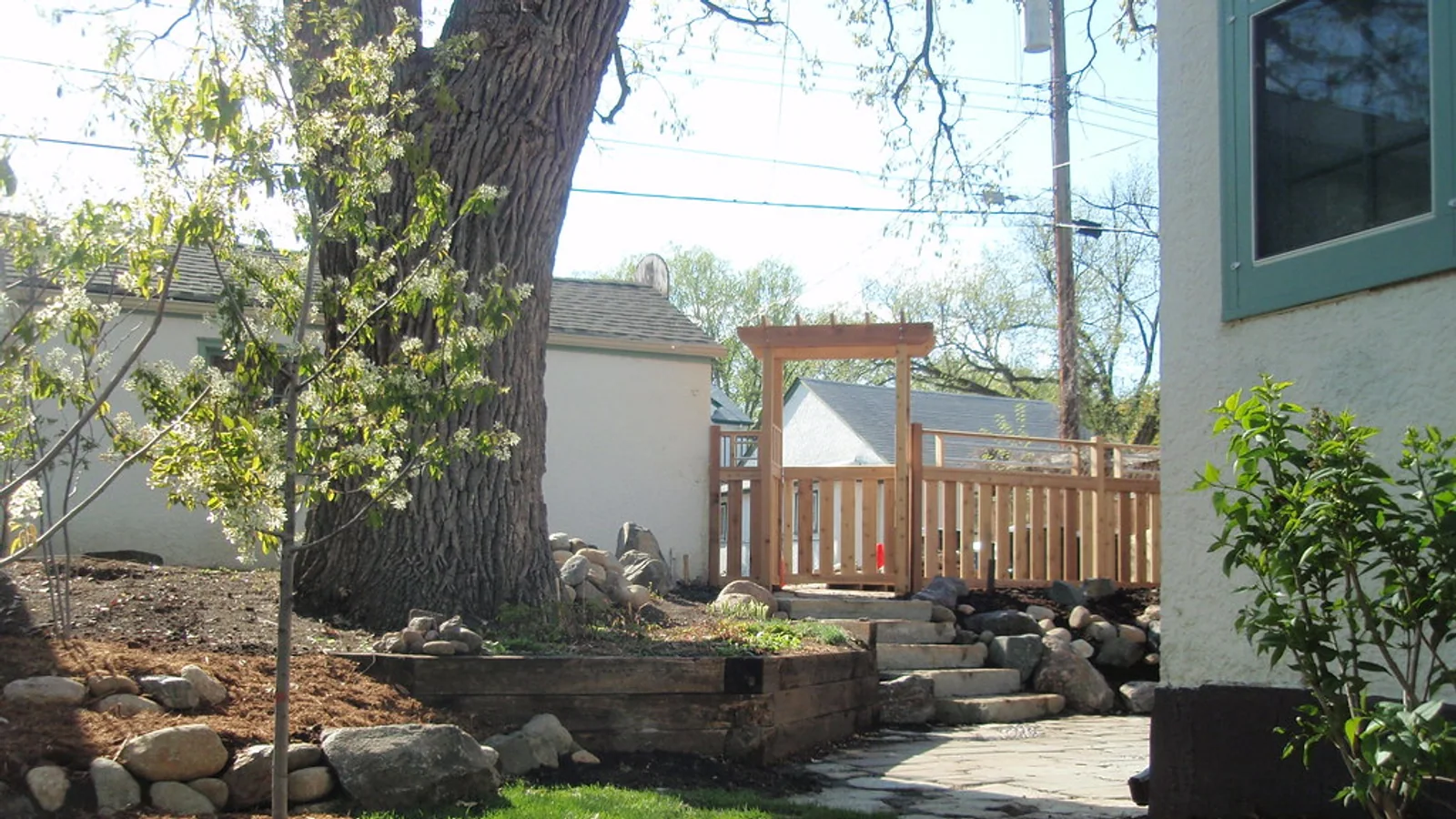
A useful lawn quote starts with measurable inputs: mowable square footage, gate widths, slope and soft-ground limits, current height versus target height, obstacle and bed detail, debris type and volume, visit frequency, access windows, and disposal responsibility. These inputs determine labor, equipment, travel, and cleanup. Compare totals only after every proposal describes the same work.
A quick countywide price sounds useful until it is applied to the wrong property. Two lawns with the same mowable area can require different equipment and time when one is open and level while the other has narrow gates, fenced sections, slopes, beds, play equipment, roots, and soft drainage areas. The quoted service may also range from mowing only to a detailed recurring finish.
Publishing a made-up county average would hide the factors that actually shape a quote and could mislead customers. Instead, use this guide to prepare the information a provider needs, understand why proposals differ, and compare the same work. The final price should come from the agreed property and scope, not a promise that every Panhandle lawn fits one rate.
Usable lawn area and access
Measured turf area is more useful than total parcel size. Homes, pools, woods, beds, ponds, and pavement do not require mowing, but they create edges and transitions. A smaller lawn broken into several fenced zones can take longer than a larger uninterrupted area because equipment must turn, stop, and pass through gates.
Gate width determines which mower can reach a backyard. Steps, steep grades, soft drainage areas, septic components, exposed roots, low branches, and street-parking limits can change the method or crew time. Share these conditions when requesting a quote so the provider can plan the correct equipment rather than discover an access problem on the first visit.
- Provide the service address and an approximate square footage or marked map of mowable turf.
- Measure the narrowest gate opening and identify stairs, slopes, soft ground, or disconnected areas.
- Count fenced sections and major obstacles that require repeated turns or hand work.
- Identify parking, HOA, tenant, occupancy, and access-window restrictions.
Growth, frequency, and starting condition
A maintained lawn that follows the one-third rule is different from an overgrown first cut. Report both the current height and the intended species height. If a 4-inch target lawn has grown beyond 6 inches, it cannot return to target in one rule-following pass. Tall, wet, or lodged grass may also require a higher first cut, another visit, and clipping cleanup. Hidden debris must be removed before equipment enters.
Frequency changes how much work is present each visit. During warm, rainy periods, turf can outgrow a long interval and require slower mowing or added cleanup. During cooler or dormant periods, growth slows. A recurring plan may use a seasonal schedule or another clearly explained approach rather than pretending the lawn grows uniformly every week of the year.
- Send current photos, but expect a site check for complex properties.
- Tell the provider when the lawn was last maintained.
- Ask how rainy-season delays and slower winter growth are handled.
Detail work and cleanup
Quote detail work in countable terms where possible. Record the approximate bed area, number and size range of shrubs, length of fence line, number of gates and separated turf zones, mulch depth and area requested, and the type and rough volume of debris. A corner lot or a property with delicate borders can require more hand work than a larger open lawn.
Clarify clippings and debris. Ordinary short clippings can usually stay when dispersed, while excessive clumps, leaves, sticks, or overgrowth may need collection. Tree and shrub trimming, bed cleanup, storm debris, and hauling should be separate line items when they are not part of the recurring visit. Disposal responsibility matters because county and hauler rules can exclude contractor-generated material.
A lower quote may simply contain fewer tasks. Compare mowing, lawn and flower bed maintenance, weed control, mulching, tree and shrub trimming, cleanup, debris removal, frequency, and disposal line by line.
How to request a useful quote
Send a quote worksheet with the address, turf map, current and target height, gate measurements, slope or wet-area notes, obstacle count, requested interval, optional bed or shrub work, debris estimate, disposal expectation, pets, access, irrigation heads, fragile features, and rental or HOA limits. Ask which work recurs and which needs approval. Do not ask a provider to guess regulated treatment needs from a general mowing request.
Once the proposals describe the same work, consider communication, scheduling, insurance, references, local familiarity, and the mowing approach along with price. A clear agreement protects both customer and provider. Revisit it when the landscape, access, tenant, or property use changes.
- Request inclusions, exclusions, frequency, and weather policy in writing.
- Ask who is authorized to approve optional cleanup.
- Choose the scope that fits the property rather than the shortest proposal.
Common questions
Frequently asked questions
Why can two similar-size yards have different lawn service prices?
Usable turf area is only one factor. Gate access, fenced sections, terrain, obstacles, detail-work scope, parking, starting height, visit frequency, cleanup, and debris handling can change the time and equipment needed even when parcel sizes look similar.
Can I get an accurate lawn quote from an aerial measurement?
Aerial measurements can help estimate open turf area, but they may miss narrow gates, slopes, roots, drainage, fences, obstacles, delicate features, current overgrowth, and disconnected zones. Straightforward properties may be estimated remotely; complex scopes often benefit from a property walk.
Sources and local guidance
This educational guide was prepared using the primary resources below. Product labels and current local rules always take priority.
- Selecting a Landscape Contractor and Model Contract (UF/IFAS Extension)
- Mowing Your Florida Lawn (UF/IFAS Extension)
- Yard Waste Collection (Walton County)
Keep reading
Related lawn care guides

What Does a Recurring Lawn Service Include?
Recurring lawn service should define mowing, lawn maintenance, frequency, access, debris handling, and which optional yard tasks are included.
Read the guide
How to Choose a Lawn Care Company in Okaloosa or Walton County
A useful lawn-service comparison goes beyond price: define the work, ask how the provider communicates, and verify credentials for regulated services.
Read the guide
DIY vs. Professional Lawn Care: Which Is Right for Your Yard?
The right choice depends on your time, equipment, comfort, property complexity, and expectations, not on the idea that one approach fits every homeowner.
Read the guideLocal lawn care
Need help with your Okaloosa or Walton County lawn?
Ask about lawn mowing, yard cleanup, tree and shrub trimming, bed maintenance, weed control, mulching, or debris removal. Service and address availability must be confirmed.