
Local Lawn Care
DIY vs. Professional Lawn Care: Which Is Right for Your Yard?
The right choice depends on your time, equipment, comfort, property complexity, and expectations, not on the idea that one approach fits every homeowner.
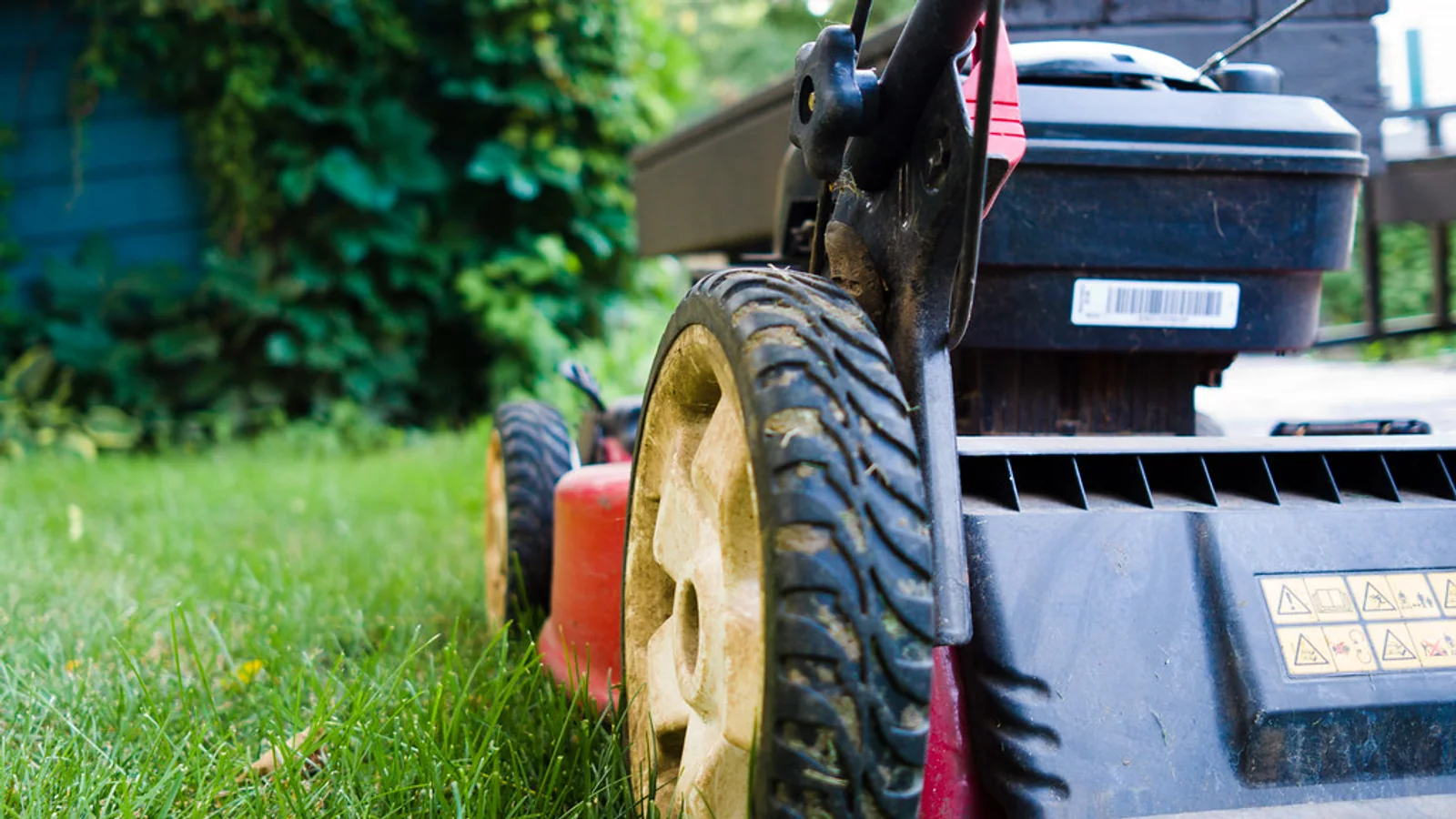
Test DIY lawn care over three complete, dry-weather maintenance cycles during active growth. Time the safety walk, mowing, lawn detail, hard-surface cleanup, clipping or debris handling, equipment care, and storage. If your available interval repeatedly lets grass exceed the one-third cutting limit, or the property requires equipment you cannot operate safely, price a professional or hybrid scope using the same task list.
The honest DIY comparison begins when the mower leaves storage and ends when the equipment is clean and put away. Looking only at cutting time ignores the safety walk, lawn detail, hard-surface cleanup, clumps, blade care, fueling or charging, and disposal. Hiring can return that time, but only if the written service covers the tasks you expect.
In Okaloosa and Walton Counties, rapid rainy-season growth and sudden downpours add another variable. A weekend plan can be interrupted by wet turf, while a professional route can also shift because several properties are too saturated to service. A realistic comparison looks at the entire season and the actual property rather than one ideal Saturday.
Add the full DIY time and equipment
Run a three-cycle time study during active growth. Start the clock for the debris and hazard walk, then record mowing, agreed detail work, pavement cleanup, clump or debris handling, equipment cleaning, blade inspection, fueling or charging, and storage. Three comparable cycles reveal far more than timing one fast pass through a dry, recently maintained lawn.
Then total real annual inputs: purchase or depreciation, repairs, blades, fuel or electricity, protective gear, transport, and secure storage. A narrow gate may require a smaller mower, and slopes or soft areas may rule out equipment that would otherwise be faster. Do not count your time at zero unless that honestly reflects how you value it.
- Include purchase, maintenance, consumables, protective gear, and storage.
- Estimate the complete mowing and maintenance time.
- Plan how equipment and fuel or batteries will be stored safely.
Compare consistency and finish
A professional crew can bring equipment and a repeatable route, but the agreement must define the finish. Ask about the agreed lawn areas, maintenance details, clippings, debris, and wet-weather decisions. A homeowner can follow the same standards with the right setup and attention, though the time may compete with work, travel, family, or other property tasks.
Consistency is not mowing on an unsafe date. Delay when wet soil would rut, a storm makes outdoor work dangerous, or debris is hidden in the canopy. But also check whether repeated delays push the lawn beyond the one-third limit. If that happens in two of three active-growth cycles, the practical answer is a shorter interval, backup help, or a professional plan, not a lower mower setting.
- Choose the correct height for the grass species.
- Keep blades sharp and remove no more than one-third of the leaf.
- Clear hard surfaces without blowing material into stormwater.
Separate maintenance from regulated treatment
Routine mowing does not automatically diagnose weeds, insects, disease, irrigation faults, or nutrient problems. DIY homeowners must read and follow every current label and local rule before using a product. A professional maintenance company also needs the appropriate Florida credential for regulated fertilizer or pest-control work; general mowing experience is not a substitute.
This distinction helps prevent both over-treatment and misplaced expectations. A mower can notice a brown area or irrigation leak, document it, and recommend Extension or another qualified professional without claiming a diagnosis. Whether you DIY or hire, identify the problem before choosing treatment.
Hiring mowing service does not mean every turf problem is treated. DIY mowing does not make a chemical application safe without the correct label, diagnosis, and rules.
Consider a hybrid approach
Some homeowners hire recurring mowing while handling beds or small seasonal projects. Others mow most of the year and request cleanup before guests, after travel, or when growth gets ahead. A second-home owner may need consistent local visits but reserve landscape decisions for planned trips. The right boundary reflects time and interest.
Write down the tasks you want to keep and those you want to hand off. If hiring, compare the same scope and communicate access, pets, irrigation, and approvals. If doing it yourself, set a maintenance schedule for equipment and a backup plan for illness, travel, storms, or repairs so a short disruption does not turn into an overgrown reset.
- Keep the work you enjoy and outsource the bottleneck.
- Plan coverage before peak summer growth or extended travel.
- Review the arrangement when the landscape or household schedule changes.
Common questions
Frequently asked questions
Is professional lawn care always more expensive than DIY?
Not necessarily when the full comparison includes equipment purchase, repair, consumables, storage, protective gear, and homeowner time. Professional service also varies by property and scope. Calculate the annual cost and value of each option for your yard rather than relying on a universal claim.
Can I hire a company only for mowing and keep other yard work?
Yes, when the provider offers that scope. Define exactly which turf, lawn-maintenance tasks, cleanup, and debris handling are included, then keep beds or other projects separate. A clear hybrid plan prevents duplicated work and makes it obvious who handles debris and approves optional tasks.
Sources and local guidance
This educational guide was prepared using the primary resources below. Product labels and current local rules always take priority.
- Mowing Your Florida Lawn (UF/IFAS Extension)
- Watering Your Florida Lawn (UF/IFAS Extension)
- Selecting a Landscape Contractor and Model Contract (UF/IFAS Extension)
Keep reading
Related lawn care guides
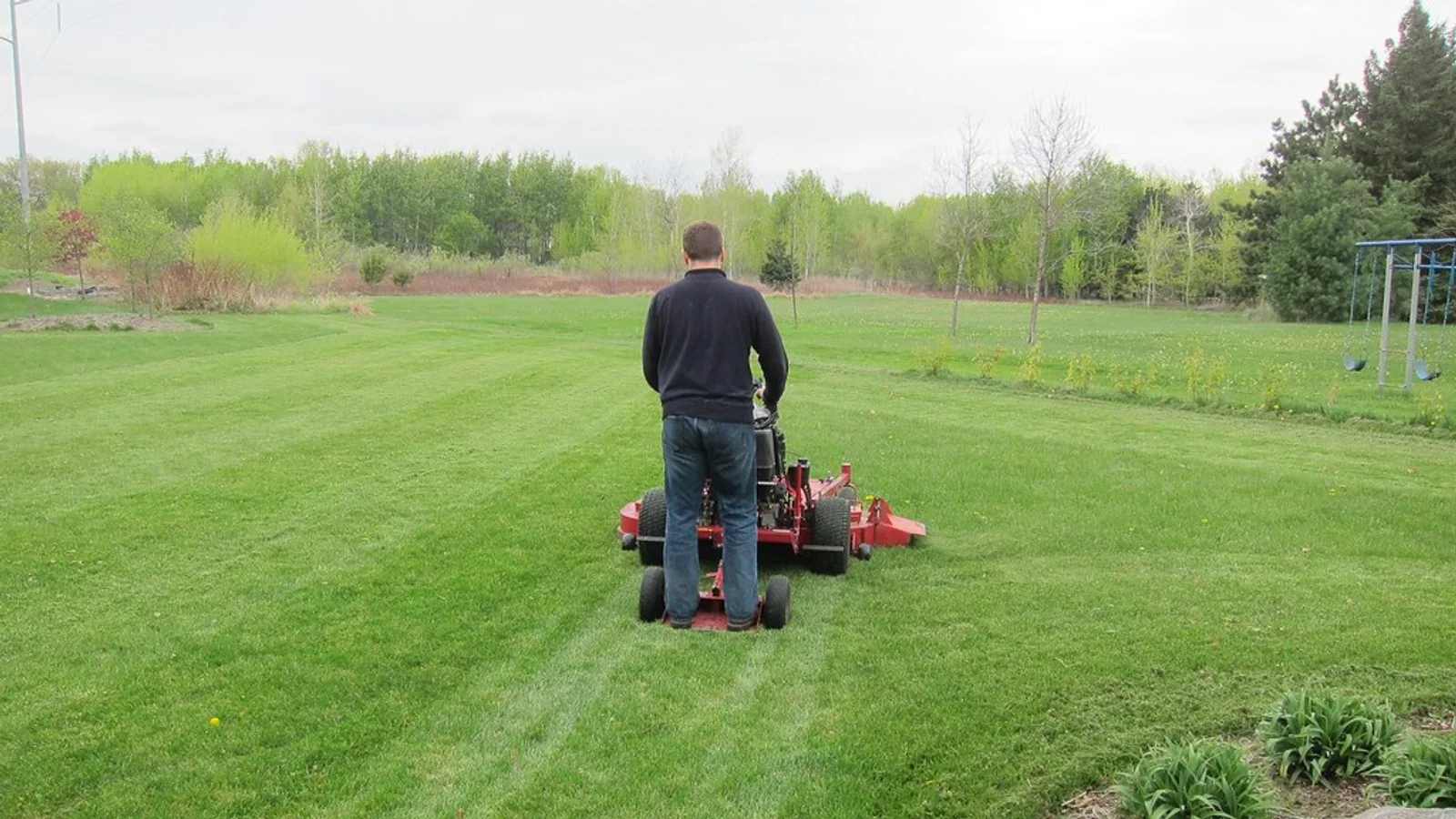
How to Choose a Lawn Care Company in Okaloosa or Walton County
A useful lawn-service comparison goes beyond price: define the work, ask how the provider communicates, and verify credentials for regulated services.
Read the guide
What Affects Lawn Care Pricing in Okaloosa and Walton Counties?
Lot size matters, but so do gates, obstacles, growth rate, detail work, terrain, service frequency, cleanup, and the exact work included in each visit.
Read the guide
What Does a Recurring Lawn Service Include?
Recurring lawn service should define mowing, lawn maintenance, frequency, access, debris handling, and which optional yard tasks are included.
Read the guideLocal lawn care
Need help with your Okaloosa or Walton County lawn?
Ask about lawn mowing, yard cleanup, tree and shrub trimming, bed maintenance, weed control, mulching, or debris removal. Service and address availability must be confirmed.